






A Trojan Horse for Adult Anxieties
From its 1995 debut, the Toy Story franchise was never just about toys coming to life. It was a Trojan horse, smuggling deeply adult anxieties into a brightly colored, family-friendly package. The original film isn’t a simple adventure; it’s a workplace
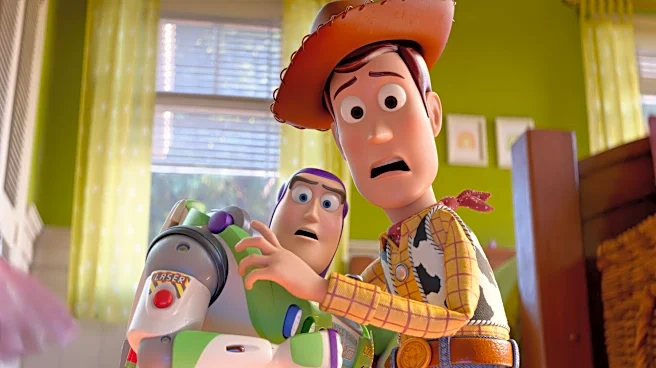
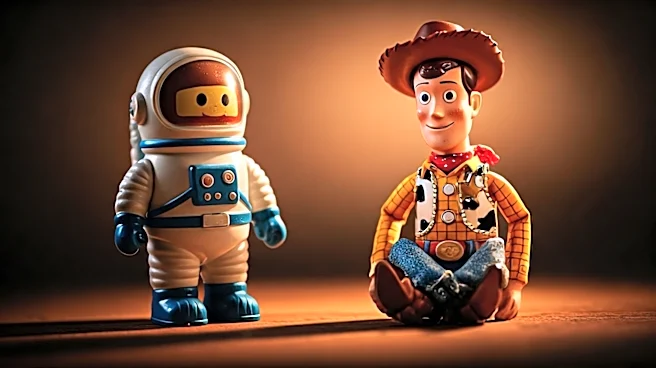
drama about professional jealousy, impostor syndrome, and the terror of becoming obsolete. Woody, the established veteran, is threatened by Buzz Lightyear, the flashy new hire with more features and a bigger buzz. Their conflict is a pitch-perfect allegory for the fear of being replaced, a theme far more resonant with the parents in the audience than the kids.
The Masterclass in Escalating Stakes
Live-action family dramas often revolve around relatable milestones: graduations, weddings, funerals, and the quiet pain of an empty nest. Pixar simply found a more potent metaphor. Toy Story 2 grappled with the choice between a fleeting life of love and a sterile eternity behind museum glass—a debate about mortality and legacy. Then came Toy Story 3, a film that emotionally wrecked an entire generation of millennials. Its final act wasn't just about Andy going to college; it was a masterclass in letting go. The toys confronting their own mortality in the fiery abyss of a municipal incinerator is heavier than anything you'll find in most Oscar-bait dramas. It’s a raw, unfiltered look at confronting the end with the people you love. That’s not a plot point; it’s a thesis on the human condition.
When Metaphor Makes It Realer
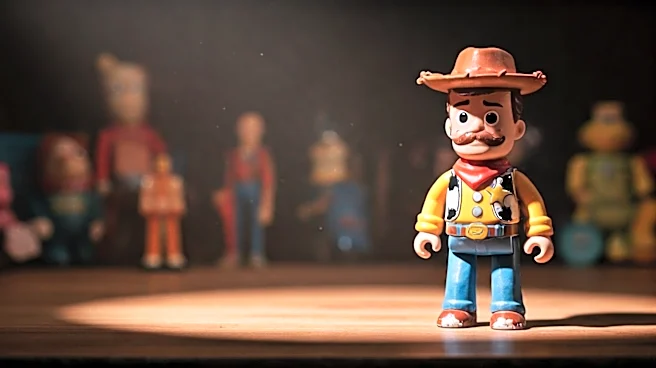
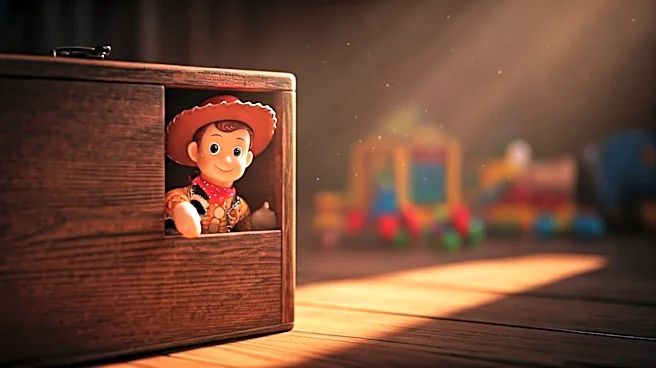
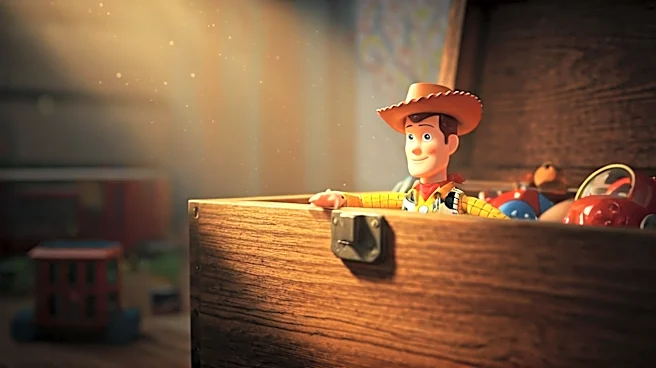
Why does it hit so hard? Because animation allows for a level of metaphorical purity that live-action can’t touch. A human character giving a monologue about feeling “left on a shelf” is clunky. A cowboy doll literally left on a shelf, gathering dust as his child grows up, is devastating. The abstraction makes the emotion more universal. We aren’t just watching Andy’s toys; we’re watching our own anxieties about purpose, aging, and abandonment play out through them. Toy Story 4, while divisive for some, continued this tradition by tackling a mid-life crisis. Woody, having fulfilled his primary purpose, had to answer the question that haunts so many: “What do I do now?” It’s a story about redefining your identity after the role that defined you is gone—a theme explored in everything from suburban dramas to prestige TV.
The Challenge for Toy Story 5
This brings us to Toy Story 5. The fourth film’s ending, with Woody and Buzz parting ways, felt definitive. It was a bittersweet but mature acknowledgment that even the most profound friendships can evolve into different paths. For a fifth installment to justify its existence, it can't just be a cash-grab reunion tour. It must find new dramatic territory. Will it explore the complexities of long-distance friendship in a hyper-connected world? Will it be a story about legacy, with Woody and Buzz passing the torch to a new generation of toys? Or could it tackle an even more difficult theme, like confronting the decline or loss of a friend from afar? The bar isn't just to be a good animated movie. The bar, set by its predecessors, is to be a great drama, period.