







The Secret Weapon: In-Ear Monitors
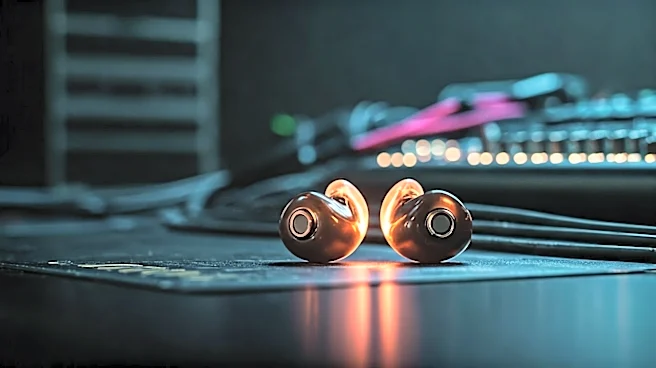
You’ve seen them: the custom-molded, often sparkly earpieces that artists from Taylor Swift to Post Malone wear on stage. These aren't just high-tech earplugs. They are in-ear monitors (IEMs), a personalized sound system that isolates the performer from the overwhelming
noise of the arena—the screaming fans, the echoing acoustics, the sheer volume of the live band. Instead of relying on bulky, often muddy-sounding floor speakers (wedges), an artist with IEMs gets a crystal-clear audio feed piped directly into their ears. This technology is the modern standard for a reason. It allows a singer to hear themselves with precision, which is absolutely essential for staying in tune and on time. But simply wearing them isn't the decision that matters most.
The All-Important 'Mix'
Here it is: the one decision that can elevate a good singer to a great performer or make a seasoned pro sound like a karaoke amateur. It’s not *if* they use monitors, but *what* they choose to hear in them. Before the show, the artist and their monitor engineer craft a personalized audio recipe called a “mix.” This is their sonic world for the three minutes they're on stage. Do they want to hear their own voice front and center? How much of the lead guitar do they need for cues? Do they want the drums loud to drive the energy, or soft to focus on melody? Should a click track (a metronome) be ticking in their ear to keep the tempo perfect? Every element is a separate channel that can be turned up or down. A pop star who relies on intricate choreography might need the click track and backing vocals loud, while a soulful balladeer may only want their own voice, a piano, and a touch of reverb. This mix is the singer's lifeline, their entire musical reality. Getting it wrong is catastrophic.
When the Mix Goes Wrong
Ever see an artist wince on stage, tap their earpiece frantically, or rip it out entirely mid-song? That’s the universal sign of a monitor mix gone bad. If the mix is off, a singer is essentially flying blind. If they can’t hear their own voice clearly over the band, they’ll overcompensate by singing louder, often pushing themselves sharp and straining their vocal cords. If they hear too much of their voice, they might sing too softly, getting drowned out. If the timing of the audio feed is even a few milliseconds late (a problem known as latency), they will constantly sound like they’re dragging behind the beat. It’s like trying to have a conversation in a loud bar while hearing your own voice on a delay. The result is a hesitant, pitchy, and uncomfortable performance. The artist loses confidence, the magic is gone, and the audience can feel it, even if they don’t know exactly what’s wrong. It’s the source of countless off-key notes and awkward moments we’ve seen on live TV.
Nailing the Performance
Conversely, a perfect monitor mix is the foundation for almost every iconic live vocal you’ve ever loved. When the mix is dialed in, the technology becomes invisible. The singer isn't fighting the sound; they are immersed in it. With a perfect balance of their voice and the key instruments, they can hear every nuance and subtlety, allowing them to control their pitch and dynamics effortlessly. This frees up their mental energy to focus on what truly matters: delivering the emotion of the song and connecting with the audience. They can move around the stage with confidence, interact with the crowd, and lose themselves in the performance because their sonic safety net is securely in place. The best AMAs moments—the ones where an artist seems to effortlessly command the stage and deliver a flawless, powerful vocal—aren’t just a product of talent and rehearsal. They are also a testament to a sound engineer backstage who absolutely nailed that one crucial decision.