
The Search for Something Real
In an era of perfectly curated social media feeds and slickly produced content, there’s a growing hunger for authenticity. A professionally shot concert video, for all its technical perfection, is a produced asset.
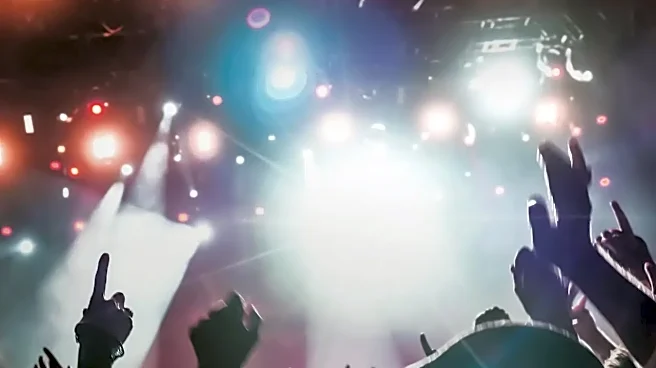
It’s clean, it’s beautiful, and it’s also sterile. It’s designed for mass consumption. A fan’s clip, however, is different. It’s messy, the sound is distorted, and the camera is unsteady. But that’s the point. It feels real because it is real. It’s a raw, unfiltered moment captured by someone experiencing pure emotion. This type of user-generated content bypasses the formal media system, offering a glimpse into an experience that feels more genuine and less manufactured. Fandom has always been a participatory culture, but digital platforms now allow that participation to become a dominant form of media itself.
It’s Not a Performance, It’s a Feeling
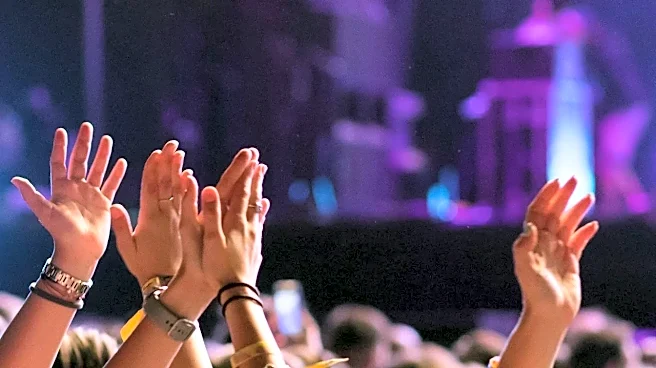
A perfect guitar solo is something you watch. A crowd reacting is something you feel. This is the power of vicarious experience. When we watch a fan overcome with emotion, our brains are wired to mirror that feeling. We’re not just observing their joy or tears; we are, in a small but significant way, co-experiencing them. It’s a shortcut to the emotional core of the event. The guitar solo showcases an artist's skill, but the reaction clip transmits the event's emotional impact. Research into crowd psychology shows that emotions are contagious in group settings, and these clips are the digital equivalent of that phenomenon, allowing the collective effervescence of the stadium to ripple out across the internet. You might not have been at the show, but watching that clip makes you feel like you were part of the moment.
The Power of Social Proof
Why do we feel a surge of excitement when a stadium full of people sings along to a chorus? It’s a concept called social proof. When we see a massive group of people reacting positively to something, it validates its importance. A huge crowd reaction is a powerful signal that this song, this artist, this moment matters. In a concert setting, you are surrounded by this proof. Online, a viral reaction clip serves the same purpose. It tells you that the feeling is shared, that you aren't the only one who thinks this artist is incredible. It transforms a personal preference into a communal identity. These clips are artifacts of a shared culture, reinforcing the idea that being a fan of this artist puts you in a community with thousands of others who feel the same way.
Fandom Is a Conversation
Ultimately, the shift from clipping the performance to clipping the reaction is about a change in how fandom operates. Modern fandom is less about passive consumption and more about active creation and conversation. Sharing a perfectly produced video is like broadcasting a press release. Sharing a fan’s reaction is like whispering to a friend, “This is how it really felt.” These clips become a shared language within the fan community. They are used to build connections, create inside jokes, and construct a collective memory of an event. Artists themselves are even getting in on it, reacting to and amplifying fan content, which blurs the line between creator and consumer and strengthens the artist-fan bond, sometimes referred to as a parasocial relationship. The focus is no longer just on the idol on stage, but on the shared experience of the entire community.