






5. The Tear-Soaked National Anthems
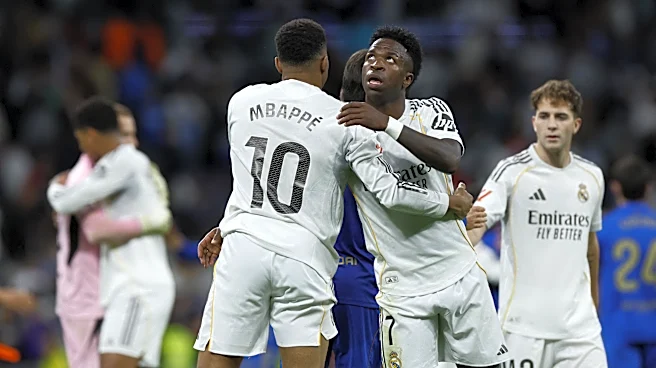
You know the shot. The camera pans across a line of players, some stoic, some belting out lyrics with vein-popping intensity, and at least one with tears streaming down his face before a single ball is kicked. For Americans accustomed to the more reserved
anthem protocols of the NFL or NBA, the raw, unfiltered emotion can be jarring. It’s a 90-second crash course in nationalism, pressure, and legacy. The curiosity isn't in the act itself—we sing anthems—but in the sheer, unvarnished display of passion. It’s the first sign that this event means something more, and it’s a perfect, low-stakes entry point into the tournament's emotional landscape.
4. The Choreographed Goal Celebration
An NFL player might dunk the ball over the goalpost. An NBA star might do a little dance. But World Cup goal celebrations can feel like fully produced Broadway numbers. You get everything from synchronized team dances (see South Africa’s 2010 squad) to tributes to pop culture (France’s Antoine Griezmann doing Fortnite dances) to iconic individual moments like Roger Milla’s corner flag salsa in 1990. While the concept is familiar, the execution is on another level. The curiosity here comes from the coordination and the cultural specificity. What does that dance mean? Did they practice that? It’s a glimpse into team chemistry and personality that transcends the language barrier.
3. The 'Viking Clap'
This one is a modern classic. First globally broadcast during Iceland’s miracle run at the 2016 Euros and brought to the 2018 World Cup, the Viking Clap is auditory and visual gold. A slow, rhythmic clap, led by a player and echoed by tens of thousands of fans, accelerates into a thunderous crescendo. It’s intimidating, unifying, and unbelievably cool. For a casual fan, it’s a jaw-dropping spectacle. It feels ancient and primal, even though its widespread use is recent. The immediate questions are: Where did this come from? Is every fan in Iceland here? It’s a perfect example of a small nation creating a global cultural footprint in real time, and it’s impossible to look away.
2. The Pyro-Fueled Team Bus Welcome
When a team bus arrives at a stadium for the Super Bowl, it drives into a secure underground tunnel. When a national team arrives for a crucial World Cup match, its bus often navigates a slow-moving sea of humanity, smoke, and fire. Fans crowd the streets by the thousands, chanting, waving flags, and setting off flares and smoke bombs in their team’s colors. From a U.S. perspective, it looks like a beautiful, terrifying riot. The sheer passion—and questionable safety—is mind-boggling. It raises immediate questions about security, but more importantly, about a level of fandom that borders on religious devotion. It’s a chaotic, breathtaking spectacle that makes a tailgate party look like a polite book club meeting.
1. The Panini Sticker Album Obsession
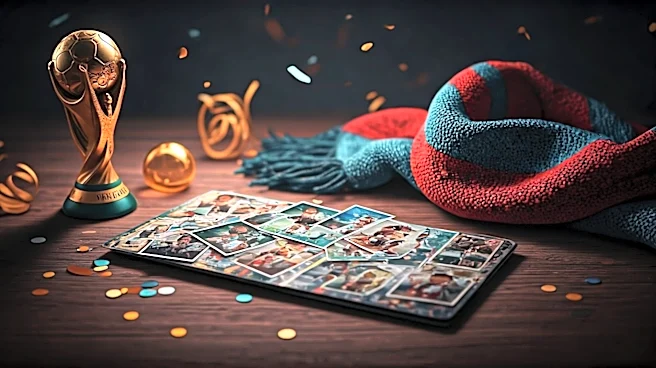
This is the tradition that is most likely to baffle Americans. Every World Cup, the Italian company Panini releases a sticker album with designated spots for every player in the tournament. The goal is to collect them all by buying packs of random stickers and trading with others. This isn't just for kids. In cities from Buenos Aires to Berlin, you’ll find public squares filled with grown adults—bankers, lawyers, construction workers—frantically trading stickers like they’re stocks. A black market for rare stickers (like Lionel Messi’s) emerges. The curiosity here is off the charts. Why are adults so obsessed with stickers? How much money do they spend on this? It’s a massive, analog cultural phenomenon in a digital world, a combination of childhood nostalgia, gambling, and social ritual that is completely foreign, and therefore utterly fascinating, to the uninitiated.