









The Man of Two Stages
It’s nearly impossible to summarize Bob Saget’s public persona without mentioning the jarring contrast. For an entire generation, he was Danny Tanner on “Full House,” the obsessively neat, unfailingly moral patriarch who dispensed gentle life lessons
and warm hugs. Simultaneously, he was building a legendary career in stand-up comedy defined by its gleefully profane, button-pushing humor that was the polar opposite of his sitcom alter ego. He narrated the romantic musings of Ted Mosby on “How I Met Your Mother” while also directing the cult classic comedy “Dirty Work.” Fans loved him for this duality, celebrating the man who could be both America’s Dad and its foul-mouthed, hilarious uncle. But this public balancing act, as fascinating as it was, overshadowed a third role he played—one that was far more personal and, arguably, more representative of the man he truly was.
A Deeply Personal Tragedy
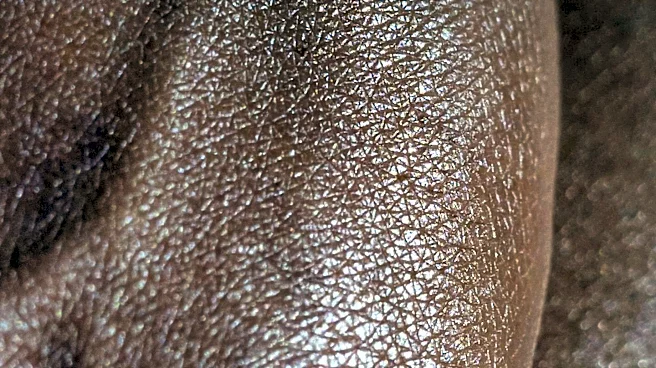
In 1994, Saget’s sister, Gay, passed away at the age of 47 after a painful battle with scleroderma, a rare and devastating autoimmune disease. The disease causes a hardening of the skin and connective tissues, and can lead to severe damage to internal organs. Saget spoke of the helplessness he and his family felt as they watched Gay suffer, often from misdiagnoses before the true cause was identified. In one of his final interviews, he recalled the trauma of her final years, stating, “I can't get the images of the end of her life out of my head, ever.” That profound loss became the catalyst for a new mission. He vowed that his sister’s death would not be in vain, saying it was his responsibility to “do her justice” by fighting for a cure. This mission would become the focus of his most important, yet least-publicized, life performance.
The Unrelenting Performer for a Cure
Even before his sister’s passing, Saget had become involved with the Scleroderma Research Foundation (SRF). He first attended their “Cool Comedy • Hot Cuisine” fundraising event in 1991, began performing at it the next year, and took over as host in 1993. After Gay’s death, his involvement transformed into a relentless crusade. For three decades, he was the heart and soul of the event, leveraging his immense network of famous friends in comedy and music to create one of the most successful charity fundraisers in the country. He didn’t just show up; he became a board member, producer, and the driving force behind the foundation's efforts. This wasn’t a one-night-a-year gig. Saget actively participated in the foundation’s operations, met with patients, and used his storytelling gifts to offer comfort. Over his 30 years of leadership, he helped raise over $26 million for scleroderma research.
A Legacy Beyond Laughter
Saget’s work for the SRF was more than just celebrity charity; it was a performance of pure conviction. He directed a 1996 TV movie, “For Hope,” loosely based on his sister’s struggle, to bring mainstream awareness to the disease. His commitment was so complete that, after his death, the foundation established the Bob Saget Legacy Award and the Bob Saget Memorial Research Fund to continue the work he championed. This decades-long performance reveals the true man behind the conflicting personas. The raunchy comedy and the heartfelt advocacy weren’t contradictory; they came from the same place. He believed in the power of laughter to bring people together, especially through difficult times. His comedy was a tool to grab your attention, but his work for scleroderma was his way of holding onto your heart. It was the ultimate expression of his character: a man who used his fame not for vanity, but to fight for others who could no longer fight for themselves.