





From Garage Mics to Golden Globes
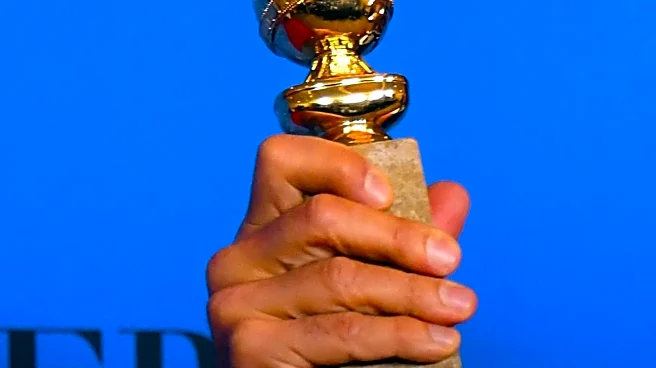
For years, podcasting felt like the punk rock of the media world—raw, independent, and built on passion, not profit. But the recent introduction of podcast categories at major ceremonies like the Golden Globes signals that the rebellious teen years are
over. When Amy Poehler accepted the first-ever Golden Globe for Best Podcast in early 2026, it wasn't just a win for her show; it was a formal invitation for the entire medium to sit at the grown-ups' table. This move, alongside industry-specific honors like The Ambies, which aim to be the Oscars of audio, confirms that podcasting is no longer a niche hobby but a pillar of the entertainment establishment. This shift from a decentralized, DIY ethos to a structured, professionalized industry has been happening for a while, but the arrival of mainstream awards is the most visible milestone yet. It’s the industry’s way of saying that podcasts now carry the same cultural weight as film and television.
The New Currency of Credibility
In a world with millions of podcasts, awards serve a crucial function: they create a perception of quality and credibility. For listeners overwhelmed with choice, a nomination or win acts as a powerful recommendation, separating a show from the noise. For creators, especially independent ones, an award can be a game-changer, boosting visibility and validating their work to potential advertisers and networks. However, this new focus on awards has its critics. Some argue that high-profile shows often favor celebrity hosts and established networks, overlooking innovative work from lesser-known creators. The inaugural Golden Globes podcast category, for example, drew its nominees from a pre-selected list of the 25 most popular shows, a move that some felt was like the Oscars only considering blockbuster films. This tension highlights a central debate: are awards meant to celebrate artistic excellence or simply ratify commercial success?
More Than an Award: The IP Gold Rush
Perhaps the most significant aspect of this awards era is what it means for Hollywood's content machine. Film and TV studios have been mining podcasts for intellectual property (IP) for years, but awards add a new layer of validation. A podcast that wins a major award is not just a good listen; it's a proven concept with a built-in audience, making it a much safer bet for a costly screen adaptation. Think of it as a low-cost development pipeline. Companies like Chernin Entertainment have inked deals with platforms like Spotify specifically to adapt their podcast libraries, using listener data and critical acclaim to decide which stories make the jump to the screen. This pipeline is a two-way street, with unmade film and TV ideas also being tested first as podcasts. An award-winning podcast essentially arrives in a pitch meeting with a stamp of approval, signaling to executives that the story and characters already resonate with an audience.
The Unavoidable Trade-Off
The professionalization of podcasting, marked by talent agents signing hosts and a focus on polished production, brings undeniable benefits, including higher quality and more resources for creators. However, it also presents a trade-off. As the industry becomes more corporate and awards-focused, there's a risk of losing the raw, experimental spirit that defined early podcasting. When the goal is to win an award or land a Netflix deal, creators might become more risk-averse, favoring sponsor-friendly topics and polished formats over the quirky, unhinged, or deeply personal content that helped the medium build such a loyal following in the first place. The shift from a passion-driven project to a commercial product is a natural evolution for any maturing medium. The challenge for podcasting will be to embrace its newfound legitimacy and commercial power without sacrificing the authenticity and creative freedom that made it so special.