


The Weight of a Legendary Stage
To perform at Newport is to stand on shoulders of giants, and every artist feels it. Since its start in 1959, the festival has been a crucible for American music history. This is where Bob Dylan controversially plugged in an electric guitar in 1965, a moment
that sent shockwaves through the folk community and music history. It’s where Johnny Cash introduced Kris Kristofferson, and where the Civil Rights movement found a voice through artists like the Freedom Singers. That history permeates the air at Fort Adams State Park. When an artist steps onto that stage, they aren’t just playing a gig; they’re joining a conversation that spans decades. This sense of occasion elevates performances, infusing them with a gravity and intention that’s impossible to replicate in the sterile environment of a recording studio. The desire to make a mark on that hallowed ground often pushes artists to deliver something truly historic.
An Incubator for Spontaneous Magic
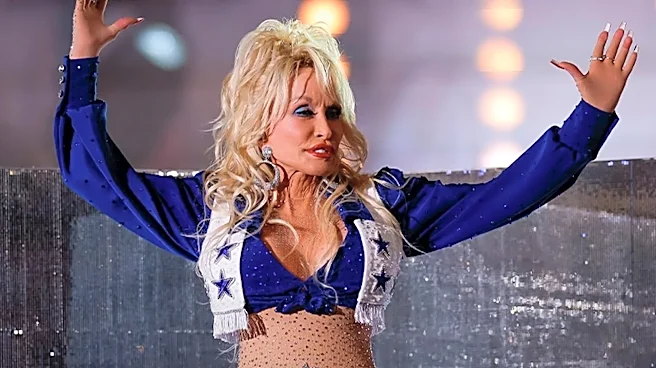
Newport is arguably the world’s most prestigious platform for musical collaboration. The festival is legendary for its surprise appearances and one-off team-ups that become instant folklore. One of the most powerful examples was in 2022, when Brandi Carlile, a modern steward of the festival's spirit, brought Joni Mitchell to the stage for her first full performance in nearly two decades after a debilitating aneurysm. The emotional weight of Mitchell, seated like a queen and surrounded by friends, singing her own classics was an unrepeatable cultural event. Similarly, Carlile's 2019 all-female headlining set, billed simply as “The Collaboration,” culminated in a surprise appearance by Dolly Parton. These “Newport moments”—like Roger Waters showing up unannounced or Paul Simon delivering a weathered, profound “The Sound of Silence”—are born from a unique environment of mutual respect among artists. The studio is about control; Newport is about letting go and seeing what happens.
Stripped Down, Souled Up
While the definition of "folk" has expanded dramatically, the festival’s ethos still favors authenticity over production gloss. Artists often use their Newport set to present songs in a new light. A thunderous rock anthem might be reimagined as a delicate acoustic ballad. A pop star might collaborate with a bluegrass band. This focus on the song itself—its lyrics, its melody, its core emotion—often reveals a power that was obscured by studio layers. The setting, with the Newport Harbor at its back, encourages a certain kind of vulnerability and intimacy, even in front of 10,000 people. It’s a space where the song is the hero, and the performance is about serving that song in its most honest form. This often results in a version that feels more “real” and emotionally resonant than its studio counterpart.
The Audience as Part of the Band
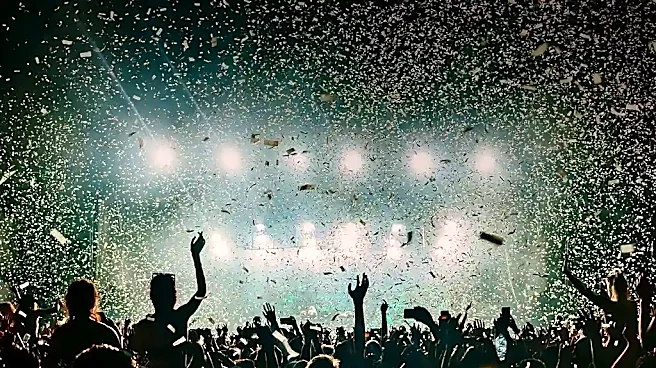
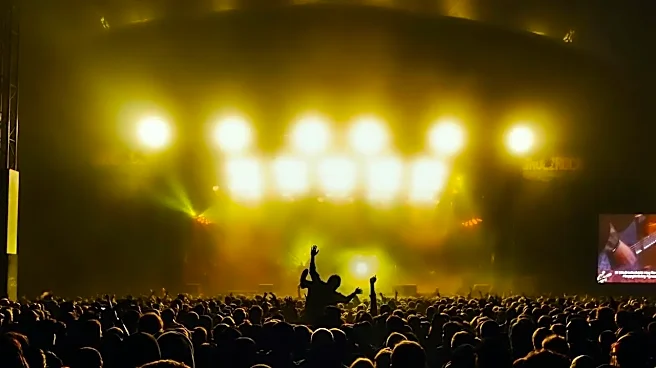
The Newport Folk audience is not a passive crowd; it's a congregation. Attendees are known for being deeply respectful, knowledgeable, and emotionally invested. Artists speak of the palpable energy and attentive listening, which creates a powerful feedback loop. This isn't the chaotic energy of a typical festival; it's a shared, communal experience built on a mutual love for the music. That quiet reverence can erupt into a massive, joyful singalong at a moment's notice, with the crowd becoming an essential part of the performance. When Brandi Carlile and Judy Collins sing “Both Sides, Now,” or when a finale brings dozens of artists on stage for a group cover, the audience’s collective voice is a key instrument. That shared energy can’t be mixed into a studio track, and it’s a huge reason why these performances feel so alive and essential.