



They Can't Get in Rhythm
Dominant teams thrive on rhythm. They practice set plays and offensive flows until they become muscle memory, allowing their superior skill to take over. The most effective underdog strategy is to simply not let them run their stuff. In sports like basketball
or football, this can mean slowing the game to a crawl. Underdog teams will often use the full shot clock or play clock on every possession, limiting the total number of possessions in a game. Fewer possessions mean fewer opportunities for the favorite's talent advantage to show itself. A low-scoring, grind-it-out affair is an underdog’s paradise. This deliberate pacing prevents the favorite from getting into a fast-paced, open-floor game where their athleticism would typically dominate.
The Defense Gets 'Junky'
When you can't match up player-for-player, you change the rules of engagement. In basketball, this is often done with a "junk defense" like a box-and-one. Instead of a standard man-to-man or zone, four defenders play a zone in a 'box' formation, while one defender, a 'chaser,' shadows the favorite’s star player everywhere they go. The goal is to deny that star the ball entirely and force their less-talented teammates to win the game. This tactic is visually messy and incredibly frustrating for a star who is used to orchestrating the offense. It disrupts the favorite's entire offensive structure and dares secondary players to step up under pressure—something they may not be prepared to do.
They Build a Wall
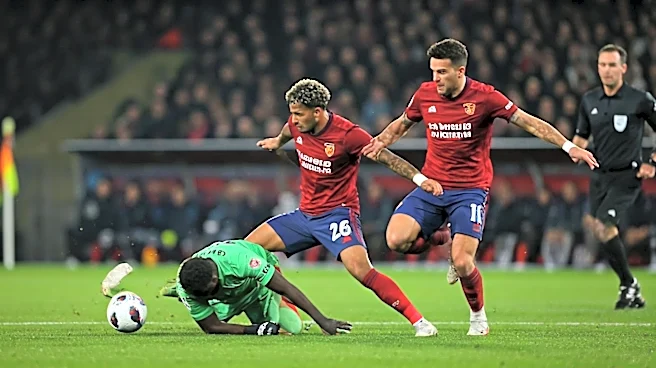
In soccer, this strategy is famously called "parking the bus." An underdog team will pull nearly all of its players deep into their own defensive third, creating a compact, multi-layered wall in front of their goal. They willingly give up possession in non-threatening areas of the field, but clog all the passing lanes and shooting windows near the penalty box. This forces the favorite to resort to hopeful long-range shots or inaccurate crosses into a crowded area. The same principle applies across sports; by conceding territory but protecting the most valuable scoring zones, a lesser team can neutralize a high-powered offense. The frustration mounts as the favorite dominates possession but generates no quality scoring chances, leading to desperation and mistakes.
They Make It Physical
Underdogs often try to turn a skills competition into a test of toughness. While not necessarily illegal, this involves a level of physical play that pushes the boundaries of the rules. Hard fouls, constant bumps on cutters, and aggressive box-outs can wear down a favorite, both physically and mentally. This strategy has a dual purpose: it disrupts the timing and confidence of skilled players, and it can bait them into retaliating and picking up costly fouls of their own. A star player sitting on the bench in foul trouble is a huge victory for the underdog. When a favorite starts complaining to the officials more than they’re playing, you know the physical disruption is working perfectly.
They Win the Mind Game
Ultimately, all these tactics feed into a psychological battle. Favorites enter a game with immense pressure; they are expected to win, and win comfortably. Underdogs have nothing to lose, which allows them to play more freely. As a game stays unexpectedly close, the pressure shifts entirely onto the favorite. Every missed shot and defensive breakdown feels magnified. The crowd gets tense. The players start to question themselves. Frustration leads to unforced errors, which only fuels the underdog’s belief. That visible frustration you see on the faces of star players is the ultimate sign that the underdog's game plan is succeeding.