





1. Heavy Machinery and Ride Logistics
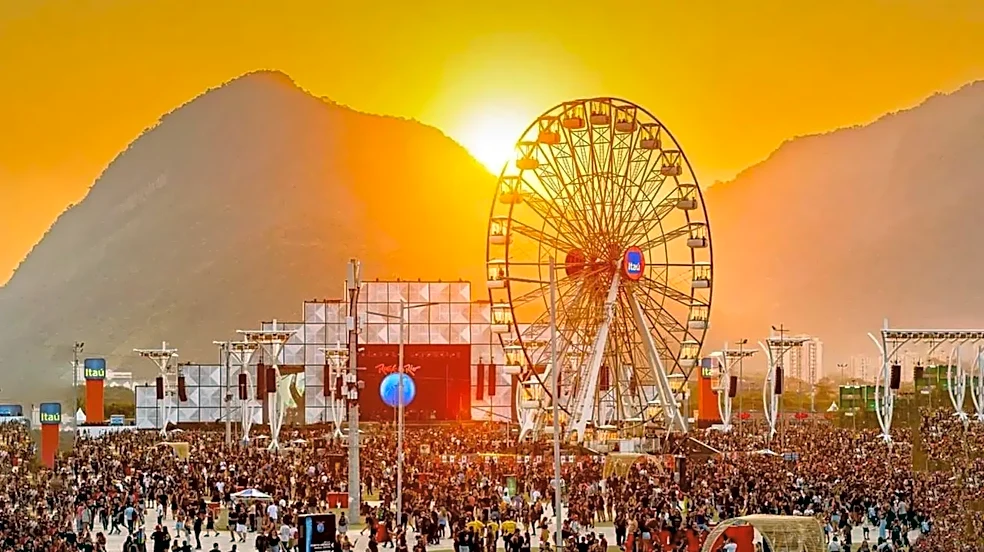
The most visible expense is the rides themselves. A full-sized Ferris wheel, swing rides, and other mechanical attractions aren't just rented; they are massive, complex machines that require a fleet of trucks for transport, a specialized crew for assembly
and teardown, and significant space. Rental costs for a single large ride, like a Ferris wheel, can run into thousands of dollars per day. When you multiply that by the dozen-plus rides scattered across the festival grounds, the budget for hardware alone skyrockets far beyond what a music-only festival would spend on its core infrastructure.
2. Expanded and Specialized Staffing
A standard music festival needs security, medical teams, and production crew. A carnival needs all of that plus a small army of specialized labor. Every ride requires trained and certified operators to run it safely. Every carnival game needs an attendant. This extra layer of staffing adds hundreds of personnel to the payroll. These aren't just general event staff; they are specialists whose hourly rates are often higher. This increases not only the wage bill but also the costs associated with managing, credentialing, and accommodating a much larger workforce.
3. Custom Games and Prize Fulfillment
Unlike a traveling fair that uses standard games, Camp Flog Gnaw is known for its custom, on-brand challenges and high-value prizes from Tyler's Golf Wang and Converse. While game tickets are often sold separately, the initial investment falls on the festival. This involves designing and fabricating unique game booths, sourcing thousands of exclusive merchandise items for prizes, and managing the complex inventory and redemption process. This is a significant merchandising and logistics operation embedded within the festival, adding another layer of expense that a typical event organizer wouldn't face.
4. Sky-High Insurance and Liability
More moving parts mean more risk, and in the event world, risk translates directly into insurance costs. A festival with multiple stages has predictable liabilities. A festival with spinning rides, mechanical bulls, and thousands of people interacting with heavy machinery is an entirely different risk profile for insurers. The premiums for general liability, participant liability, and equipment coverage are substantially higher. Organizers must secure specialized 'contingent ride liability' coverage, which protects them from accidents on machinery they don't own but feature at their event, adding a major, non-negotiable line item to the budget.
5. Complex Site Layout and Infrastructure
Placing a full carnival midway alongside multiple concert stages creates a massive logistical puzzle. Spreading these attractions across a venue like Dodger Stadium requires a far more complex and robust power grid than a few stages would. Custom-built stages, game booths, and ride platforms all need dedicated power, cabling, and potential ground reinforcement. The site planning must also account for wider pathways, intricate crowd-flow patterns between rides and stages, and extensive safety perimeters. This expanded footprint and infrastructure complexity drive up costs for site management, power generation, and the labor required to build and maintain it all over the weekend.