




We’ve all felt the singular disappointment of pulling a favorite sweater from the closet, only to find it misshapen, with sad, lumpy shoulders. This common tragedy isn't inevitable; it’s the result of one simple storage mistake.
The Culprit: Your Closet Hangers
The golden rule of knitwear
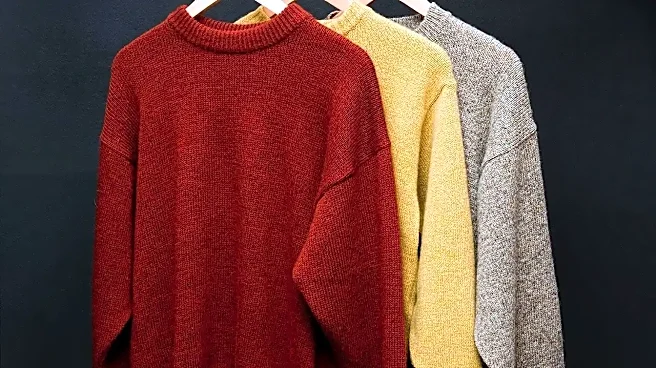
is simple: fold, never hang. Knitted fabrics, whether they're wool, cashmere, or cotton, are made of interlocking loops of yarn. This construction gives them their wonderful comfort and flexibility, but it also makes them incredibly vulnerable to gravity. When you hang a sweater, its entire weight pulls down on the small sections of fabric resting on the hanger. Over time, this constant, gentle pull stretches those loops, leading to the dreaded shoulder 'bumps,' a distorted neckline, and a longer, shapeless body. Even specialty 'sweater hangers' can't fully fight this battle against physics. For any knit garment, but especially heavier ones, folding is the only way to ensure it keeps the shape the designer intended.
The Perfect Fold: A Step-by-Step Guide
Folding a sweater properly is a quick skill that will save your wardrobe. It prevents sharp creases and supports the garment's structure. Start by laying the sweater face-down on a clean, flat surface like a bed or table. Smooth out any wrinkles. Fold one sleeve and about a quarter of the sweater's body across the back. Repeat with the other side, creating a neat rectangle. Finally, fold the bottom hem of the sweater up to meet the neckline, folding it in half. For bulkier or longer knits, you may want to fold it into thirds from the bottom up to create a more compact, shelf-friendly shape. The goal is a tidy package without pressing the folds into sharp, permanent creases.
Smart Storage Solutions
Once folded, your sweaters need a proper home. The best options are placing them in a drawer or stacking them on a closet shelf. If you stack them, keep the piles small—no more than three or four sweaters high—to prevent the ones on the bottom from being crushed. Placing heavier knits at the bottom of the stack is also a good practice. For long-term seasonal storage, breathable containers are key. Avoid sealing sweaters in plastic bins, which can trap moisture and lead to mildew and musty odors. Instead, opt for canvas bins, cotton storage bags, or even clean pillowcases, which allow air to circulate. For added protection against pests, consider adding natural repellents like cedar blocks or lavender sachets.
Rescue Mission: Can You Fix a Stretched Sweater?
So, what if the damage is already done? The term 'permanent' is a strong one, but reversing significant stretching can be difficult. However, you do have options for a rescue attempt. For natural fibers like wool or cashmere, a controlled soak in warm (not hot) water can help relax the fibers, allowing you to gently reshape them. After soaking, carefully press out excess water—never wring it—by rolling the sweater in a towel. Then, lay it flat on a dry towel or drying rack, carefully patting and scrunching the stretched areas back into their original shape and size. Let it air dry completely. A steam iron, held an inch above the fabric, can also help coax fibers back into place. While a perfect fix isn't guaranteed, these methods offer the best chance at saving a beloved knit from a misshapen fate.