







What Exactly Is a 'High Press'?
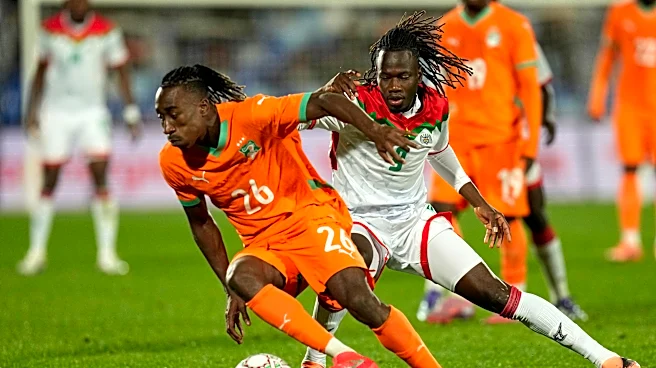
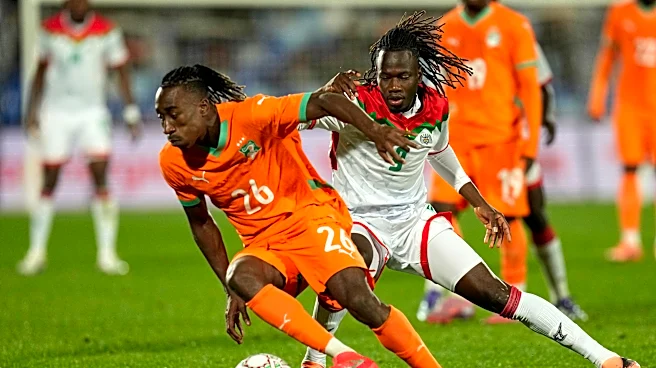
Think of it as soccer’s version of a full-court press in basketball. In simple terms, a 'high press' is a defensive strategy where a team aggressively tries to win the ball back as soon as they lose it, and as close to the opponent's goal as possible — or 'high' up the field. Instead of retreating into a defensive shape and letting the other team advance, pressing teams immediately apply coordinated pressure on the ball-carrier and cut off their passing options. It's a proactive, front-foot approach to defending that aims to turn defense into an immediate attacking opportunity. The goal isn't just to stop a goal; it's to create one.
The Reward: Chaos Is a Ladder
So why take the risk? Because the potential payoff is enormous. Winning the ball 70 yards from the opponent's goal
gives you a long way to travel. Winning it 30 yards away, with their defense disorganized from just trying to play out, can be an instant goal-scoring chance. A successful high press achieves several things at once. It suffocates the opponent, preventing them from building any rhythm or confidence. It forces mistakes—panicked passes, bad touches, and turnovers in the worst possible areas. For the pressing team, these turnovers are gold. They can transition from defense to attack in a split second, catching the other team completely off-balance. It’s a strategy built on creating and exploiting chaos, turning a defensive action into a deadly offensive weapon.
The Risk: One Pass Can Break You
Pressing high is a high-wire act without a net. To commit so many players forward defensively, you inevitably leave vast, green spaces behind them. If the opponent is skilled enough, composed enough, and brave enough to weather the initial storm, they can break the press with one or two sharp, accurate passes. Once they’re past that first wave of pressure, they’ll find your defenders isolated and your midfield out of position. Suddenly, it’s their attackers running into acres of open field against your backpedaling defense. A broken press is one of the most vulnerable moments in soccer. It requires immense fitness, perfect coordination, and total buy-in from all eleven players on the field. If one player is late to the press or gets their angle wrong, the entire system can collapse.
The Engine Room and the Mastermind
This style of play isn't for everyone. It demands players with exceptional physical stamina—the 'engine'—to sprint relentlessly for 90 minutes. But it’s not just about running. It’s about smart, coordinated running. Players need high soccer IQ to anticipate passes, close down lanes, and know when to press and when to hold. This is why coaches are so crucial. The high press was popularized in modern club football by managers like Jürgen Klopp and Pep Guardiola, who drill their teams with meticulous detail. Translating this to the international level is even harder. National team coaches have only weeks, not years, to instill this complex system. They must select players not just for their individual talent, but for their fitness, intelligence, and willingness to sacrifice for the collective system. A team of superstars who won’t press is far less effective here than a cohesive unit of disciplined workers.
Why It Dominates the World Stage
The high press has become so prevalent at the World Cup because it’s a statement of identity. It signals ambition, bravery, and a desire to dominate the game rather than react to it. In tournaments where a single moment can decide your fate, forcing the issue is an attractive proposition. Teams like Spain, Germany, and even recent iterations of the USMNT have built their identities around this energetic style. Furthermore, as analytics have become more sophisticated, the data is clear: turnovers high up the pitch lead to a significantly higher probability of scoring. While it’s incredibly difficult to maintain for an entire seven-game tournament, teams are betting that a few moments of perfectly executed pressure can be enough to win a knockout game and, ultimately, the cup itself.