


The Show Is Just the Beginning
When you see a stunning collection debut on a Paris runway, you're not seeing the start of a shopping season; you're seeing the end of a design process and the start of a business one. Fashion shows for the major Spring/Summer (SS) and Autumn/Winter (AW)
seasons happen roughly six months before the clothes are intended to be sold in stores. [5, 12] The Autumn/Winter collections are shown in February and March, while Spring/Summer collections are unveiled in September. [5] The primary audience isn't the public, but a select group of retail buyers, journalists, and influencers. [17] These shows are less of a direct-to-consumer catalog and more of an elaborate, artistic pitch to the people who decide what gets made.
Enter the Buyers and Forecasters
The real work begins after the final model leaves the catwalk. Retail buyers from department stores and boutiques review the collections and place their orders for the upcoming season. [26] This is the crucial step where a conceptual runway piece is either chosen for production or left behind. These orders determine which styles have commercial potential. [25] Simultaneously, trend forecasting agencies like WGSN analyze dozens of shows, identifying recurring colors, silhouettes, and fabrics. [21, 27] They synthesize this data, along with cultural shifts and consumer behavior, into reports that guide brands and retailers on what will be in demand months from now. [2, 28, 30] A trend isn't a trend just because one designer showed it; it becomes one when multiple designers independently arrive at similar ideas, and forecasters validate its commercial appeal. [3]
The Six-Month Production Puzzle
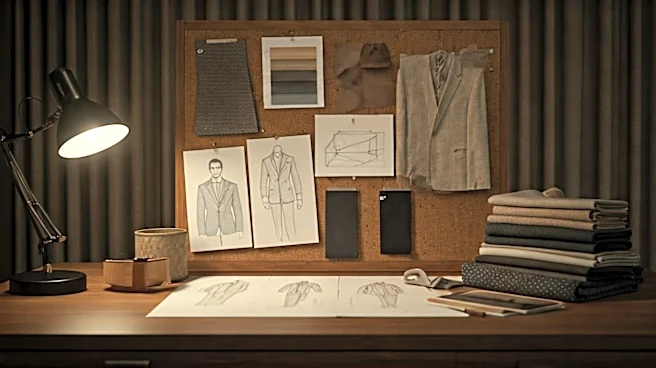
Once a buyer places an order, the six-month clock on production starts ticking. This traditional model is a complex logistical dance. [6] Designs often need to be modified for commercial appeal, simplifying avant-garde elements for a broader audience. [26, 31] Then comes sourcing fabrics, creating final patterns, and grading them for different sizes. [12] Manufacturing, which is often outsourced overseas to manage costs, can take months from sewing to finishing. [12, 20] Finally, the finished garments are shipped globally, processed through distribution centers, and sent to individual retail stores. [26] Each step in this intricate supply chain adds time, creating the lengthy gap between seeing a look on Instagram and seeing it on a hanger. [25]
How Fast Fashion Breaks the Rules
So, how do some stores have Paris-inspired looks in a matter of weeks? This is the world of fast fashion. Brands like Zara and SHEIN operate on a completely different model. [4, 14] Instead of a six-month wholesale calendar, they use a vertically integrated system and a data-driven approach to get styles from concept to store in as little as two to three weeks. [4] Their design teams don't guess what will be popular six months out; they react in real-time to what's trending on runways and social media. [4, 17] By using nearby factories and pre-purchased fabrics, they can replicate a trending look at a lower price point and have it in stores while the initial hype is still peaking. [4, 20] This “test and repeat” strategy has revolutionized retail, creating an expectation of immediacy that the traditional luxury market was never designed to meet. [4, 7, 13]