


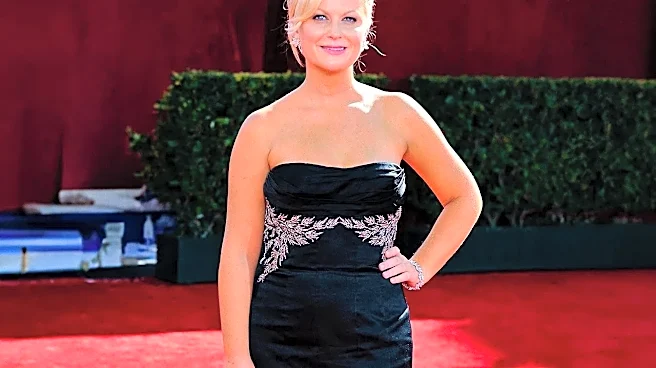
From the Screen to the Step-and-Repeat
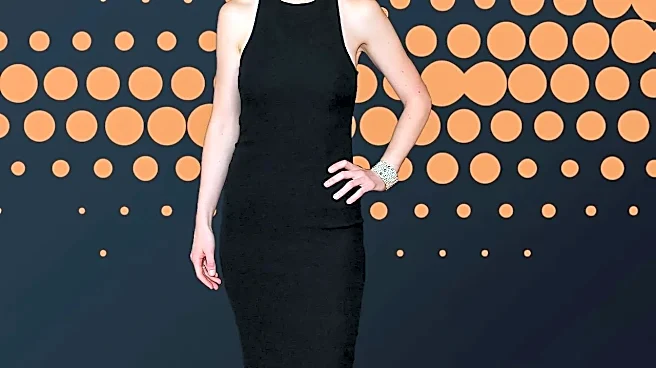
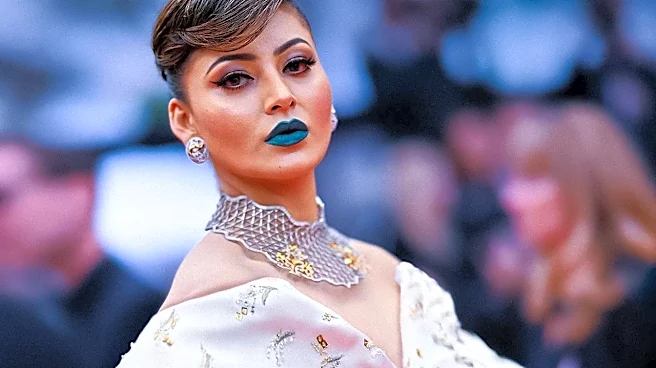
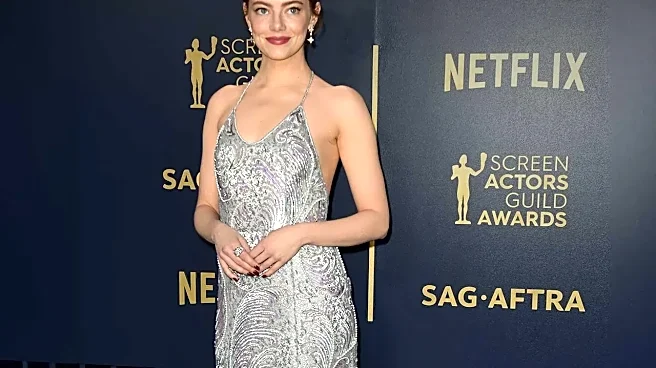
So, what exactly is method dressing? Think of it as method acting, but for fashion. It’s the practice of an actor styling their public appearances to evoke the world, themes, or specific character of their current project. This goes beyond simply wearing
a nice dress or a sharp tuxedo. It’s about creating a narrative. The color palette, the silhouette, even the texture of the fabric is a deliberate nod to the role they just played. It transforms a standard press tour or awards show appearance from a simple photo opportunity into an extension of the film or series itself, a final chapter in the story. Instead of a disconnected series of designer looks, each outfit becomes part of a cohesive, project-long performance.
The Gospel According to Zendaya and Margot
The trend exploded into the mainstream thanks to two stars and their incredibly savvy stylists. Margot Robbie’s press tour for “Barbie” was a masterclass. With her stylist Andrew Mukamal, she meticulously recreated iconic outfits from the Mattel doll’s history, from the original 1959 striped swimsuit to the 1960s “Solo in the Spotlight” gown. Each appearance was a delightful game of spot-the-reference for fans. Then there’s Zendaya, who, with her “image architect” Law Roach, has turned method dressing into an art form. For “Dune: Part Two,” she wore futuristic and archival sci-fi looks, including an iconic 1995 Mugler robot suit. For the tennis drama “Challengers,” her wardrobe was filled with custom Loewe looks featuring tennis ball heels, net-like fabrics, and crisp court-white silhouettes. These weren't just clothes; they were viral moments that dominated conversations online.
The Art of the Hustle
Why is this happening now? Simply put, it’s a brilliant marketing strategy in a crowded media landscape. Method dressing creates its own news cycle. Fashion blogs, social media accounts, and entertainment news sites buzz about every clever reference, generating free publicity that keeps the project in the spotlight long after the trailer has dropped. It also offers a deeper level of fan engagement. Viewers feel rewarded for their knowledge, enjoying the “if you know, you know” nature of the outfits. For the actors, it’s a way to demonstrate their commitment to a role, blurring the lines between their celebrity persona and the character they embody. It signals a deep artistic investment, suggesting their performance doesn’t just stop when the cameras do.
Predicting the Emmys Red Carpet
With the 78th Primetime Emmys just around the corner, method dressing is perfectly positioned to make its mark on television’s biggest night. Movie stars brought it to the Oscars, and now it's TV's turn. Imagine the cast of a show like Prime Video’s “Fallout” arriving in styles that hint at its retro-futuristic, post-apocalyptic glamour; its second season already earned Emmy nods for its distinctive production design. Or consider the team behind FX's “The Bear,” a perennial Emmy favorite. We could see its stars opt for a kind of “kitchen-core” chic—utilitarian silhouettes, elevated aprons, or minimalist tailoring that speaks to the high-pressure, high-craft world of a Michelin-star restaurant. If a show with a strong historical aesthetic, like “Shōgun” or “The Gilded Age,” is in contention, expect to see modern interpretations of period attire, from samurai-inspired draping to Gilded Age opulence. It asks more of the viewer than just admiring a pretty dress—it invites them to be in on the story.