





The Challenge: Festival Attention Spans
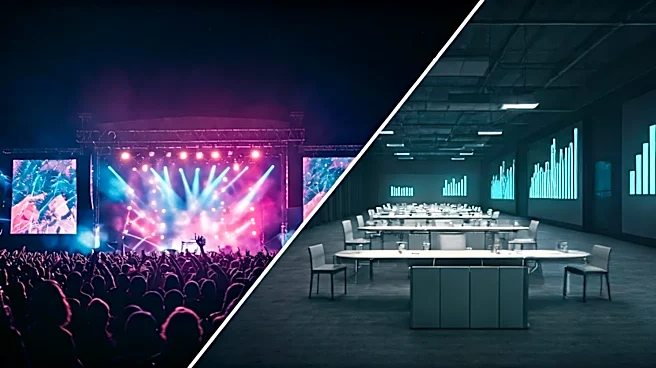
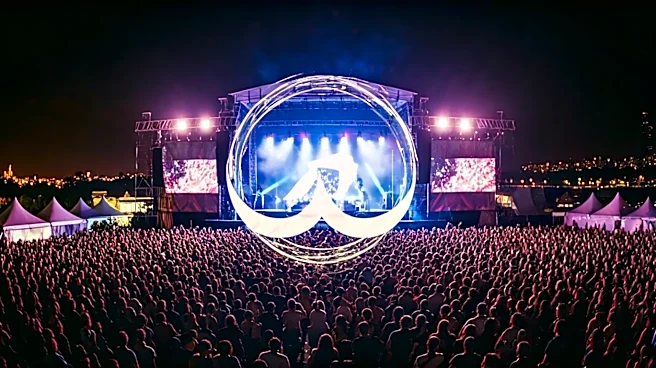
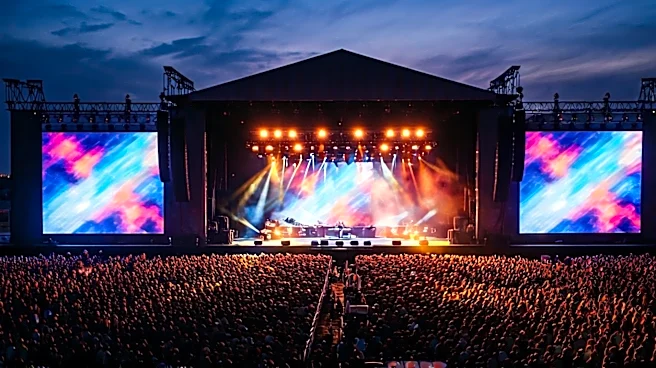
Unlike a two-hour headlining show where fans have paid to see one specific artist, CMA Fest is a musical marathon. The audience is a mix of die-hard fans, casual listeners, and people who might not know the performer at all. Artists typically get a tight
25- to 45-minute slot to make an impression. They aren't just performing; they're competing for attention against the summer heat, the beer lines, and the dozens of other acts on the bill. The goal isn't just to play songs; it's to create a concentrated, high-impact experience that wins over the entire stadium. This requires a different strategy—a proven formula for grabbing and holding a massive, distracted crowd.
The Opener: Go Big and Familiar
There’s no time for a slow build. A festival set demands an immediate jolt of energy. The formula starts with a no-doubter: a massive, up-tempo hit that everyone recognizes from the first chord. Think Luke Combs kicking off with “Beer Never Broke My Heart” or Carrie Underwood launching into “Before He Cheats.” This isn't the time for an obscure album cut or a moody intro. The purpose is twofold: first, to instantly capture the attention of tens of thousands of people, and second, to reassure them that they're in for a good time. It’s a sonic handshake that says, “I know what you want, and I’m here to deliver it.” By starting with a certified anthem, the artist sets a high-energy baseline and earns the crowd's trust right out of the gate.
The Follow-Up: Keep the Momentum
Once you have their attention, you can't risk losing it. The second song in the set is almost always another familiar, high-tempo track. It solidifies the energy of the opener and proves it wasn’t a fluke. This one-two punch is critical. It creates momentum and turns a passive audience into an active one. If the first song made them look up from their phones, the second song is designed to make them start singing along. This part of the set is pure fan service, a rapid-fire delivery of known quantities that gets the entire stadium on the same page before the artist takes any risks.
The New Single Sweet Spot
Now that the crowd is warmed up and engaged, it's time for the “work” part of the set. Placed third or fourth, this is the ideal slot to introduce a new single. The artist has earned enough goodwill with the opening hits to ask the audience for a favor: listen to something new. Placing it here is strategic. The energy is still high, but the set hasn't peaked yet. It's sandwiched between familiar tunes, so if the new song doesn't land perfectly, the artist can immediately win the crowd back with another hit. Artists will often give a short, personal introduction to the song, framing it with a story to build a connection and encourage listeners to give it a chance. It’s a calculated risk, but it's the primary promotional opportunity of the entire performance.
The Mid-Set Breather: The Ballad Moment
A relentless barrage of stadium bangers can be exhausting. The formula calls for a change of pace right around the midpoint. This is the ballad or the acoustic moment. The stage lights dim, the band quiets down, and the artist creates a moment of intimacy in a massive space. It could be a stripped-down version of a power ballad or a heartfelt story-song. This does more than just give the audience (and the artist) a chance to breathe. It showcases vocal talent and lyrical depth, forging a different kind of emotional connection. It’s the moment that turns a loud concert into a memorable performance, making the big hits that follow feel even bigger by contrast.
The Closing Salvo: All Killer, No Filler
With their time running out, the artist needs to end on the highest possible note. The closing sequence is a rapid-fire succession of the biggest, most undeniable hits left in their arsenal. This is the singalong finale, the hands-in-the-air anthems that everyone came to hear. There are no deep cuts, no experiments—just pure, concentrated musical adrenaline. The goal is to send the crowd into a frenzy and leave a lasting impression. This final burst of energy is what people will remember as they walk away. It’s the artist’s closing argument, a powerful reminder of why they belong on that stage.