



Featherwork: The Art of Weightless Volume
In the world of couture, feathers, or 'plumasserie,' are about creating movement and texture that seems to defy gravity. This isn't about simply attaching a plume to a hat; it's an architectural art form. Ateliers like Maison Lemarié, one of the last
of its kind in Paris, are legendary for their work. Artisans there can transform feathers—ethically sourced from food-chain birds—into entirely new materials. They might be individually shaved, curled, steamed, or even singed to create a specific effect, from a soft, hazy blur of color to sharp, sculptural forms. Designers might request a finish that is abstract and doesn't even resemble feathers at first glance, using them to build floral shapes or organic textures that float on a garment. This painstaking process, often involving tweezers and ancient tools, adds a breathing, kinetic quality to a static piece, turning a gown into a living sculpture that responds to the wearer’s every move.
Pleating: The Hidden Architecture of Fabric
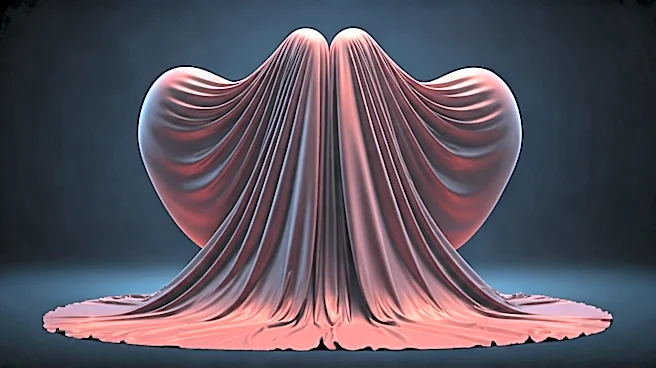
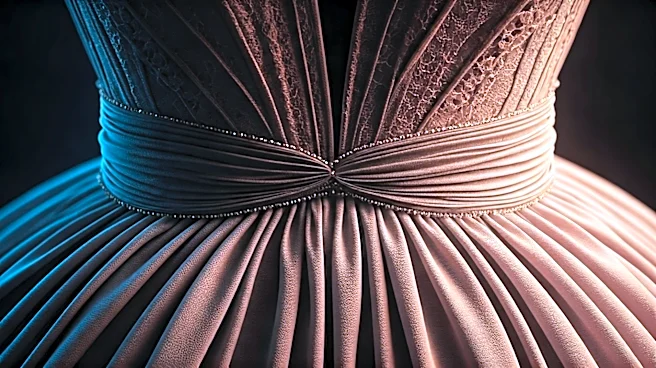
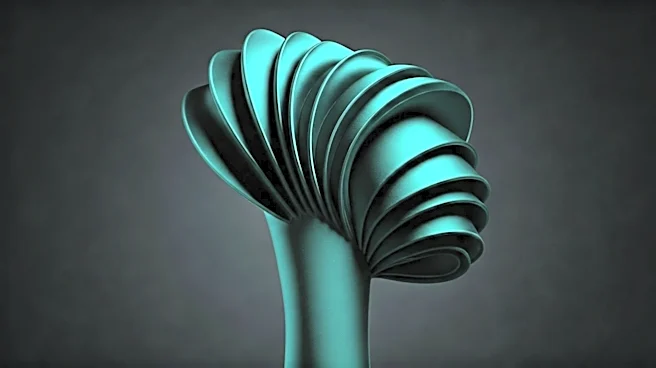
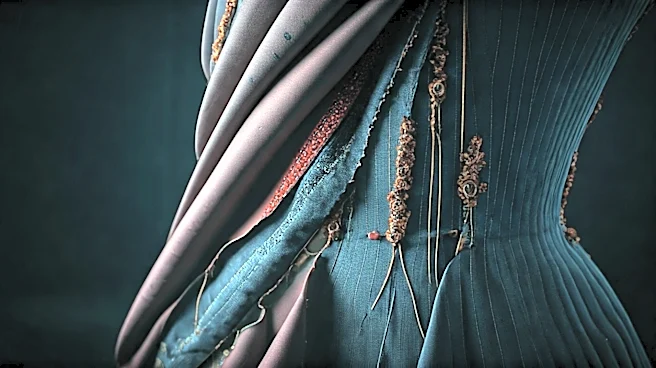
Pleating in couture is less about decoration and more about engineering. It’s what gives a garment its memory, its structure, and its soul. Ateliers like Lognon, founded in 1853 and now part of Chanel's Métiers d'Art, are the keepers of this rare savoir-faire. The process is a blend of artistry and science. Fabric is meticulously laid between two pieces of giant, intricately folded cardboard molds—some of which are over a century old. This fabric-and-cardboard sandwich is then rolled tightly and placed into a steam oven for at least an hour to set the shape permanently. With a library of over 3,000 different patterns—from the sunburst pleat to the accordion, Watteau, and complex origami folds—these artisans can transform flat silk, leather, or even polyester into a three-dimensional masterpiece. This hidden architecture is what allows a couture gown to hold its dramatic shape while still flowing with effortless grace.
Beading: Painting with Thread and Light
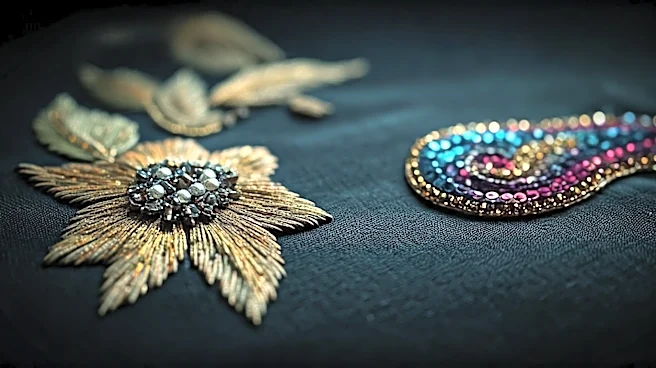
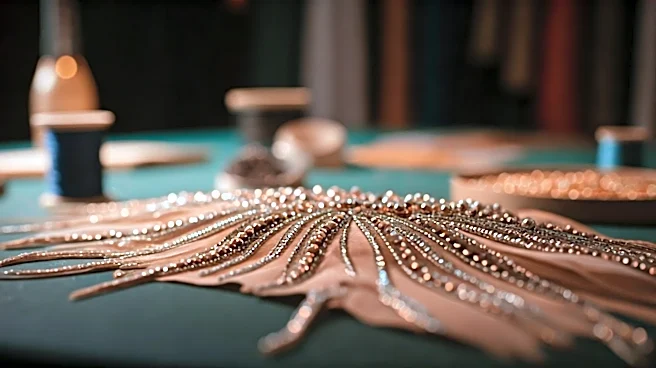
If featherwork is about air and pleating is about form, then beading and embroidery are about narrative. This is where stories are told in sequins, crystals, and thread. Maison Lesage, another Chanel-owned atelier founded in 1924, is the undisputed master of this domain. François Lesage famously said, “Embroidery is to haute couture what fireworks are to Bastille Day,” and the atelier’s work proves it. Using a technique known as Lunéville, artisans use a special hook to stitch beads and sequins from the reverse side of the fabric, a faster method that keeps the delicate material from snagging. A single garment can require hundreds of thousands of beads and take hundreds, if not thousands, of hours of meticulous handwork to complete. The artisans at Lesage don't just apply embellishments; they interpret a designer's vision, creating elaborate patterns, textures, and images that elevate a garment to a true work of art. It's a level of detail and dedication that turns fashion into a cultural artifact.