






A Calling Card for Tomorrow’s Stars
For every celebrated director with a feature in the festival's main slate, there are dozens of emerging filmmakers using a short as their industry calling card. A short film is a concentrated blast of a director’s vision, a way to prove their creative
and technical abilities without the colossal budget of a feature. It’s where Lynne Ramsay and Christopher Nolan cut their teeth before becoming household names. Industry professionals know this well; producers and agents flock to the shorts screenings, scouting for the next big thing. The BFI NETWORK, the institute's UK-wide program for new talent, uses the festival as a key development opportunity, connecting promising writers, directors, and producers with industry mentors and resources. Being selected for a program like BFI NETWORK@LFF can be a career-launching moment for filmmakers who have proven their mettle with impactful short-form work.
The Ultimate Laboratory for Cinema
Short films are not just a stepping stone; they are a vital space for artistic experimentation. Unburdened by the commercial pressures that shape most feature films, the short format is a playground for risk-taking. Here, filmmakers can test unconventional narratives, push visual boundaries, and explore niche subjects that might never get greenlit for a 90-minute run time. The BFI London Film Festival's shorts are often grouped into curated thematic programs—with titles like 'Altered States' for experimental work, 'Land of Hope and Gory' for horror, or 'Cadences of Resistance' for political stories—that showcase this incredible diversity. This freedom makes the shorts program a glimpse into where cinema is headed, offering audiences a raw, unfiltered dose of creativity that is often more daring and surprising than what's found in the main competition.
An Art Form in Its Own Right
To view short films merely as a means to an end is to miss their intrinsic power. The format demands an intense narrative discipline; with only a few minutes to work with, every shot, line of dialogue, and edit must be packed with meaning. A great short film can deliver an emotional punch as potent as any feature, telling a complete and resonant story in a fraction of the time. They can capture a single, perfect moment, explore a complex character with startling efficiency, or present a high-concept idea with maximum impact. Festivals like the LFF recognize this by presenting a dedicated Short Film Award, celebrating works with a 'unique cinematic voice'. For audiences, this offers a different kind of viewing experience: a rapid-fire tour of diverse worlds and bold ideas, all in one sitting.
Connecting with the Audience
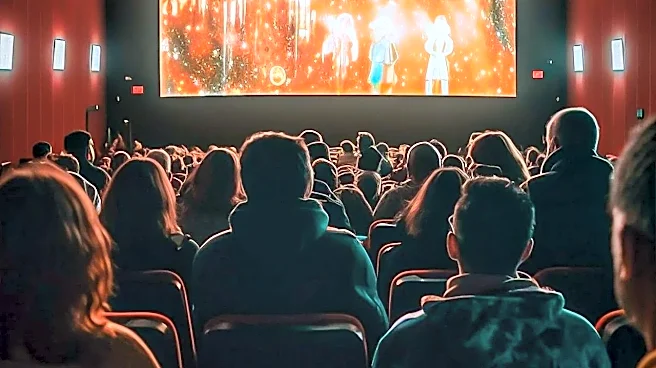
While feature film tickets can be expensive and sell out fast, festivals often make their short film programs remarkably accessible. The BFI, for instance, frequently makes a selection of its nominated shorts available to stream for free on its BFI Player platform across the UK, bringing these new cinematic voices to a much wider audience. This approach democratizes the festival experience, allowing film lovers who can't attend in person to participate and discover new talent. The programs are also designed for discovery, from animated collections for younger audiences to edgy comedy showcases. By offering these curated, bite-sized entry points, the festival encourages viewers to step off the beaten path and explore the rich, varied landscape of short-form storytelling, ensuring the ecosystem remains vibrant and connected to the people it aims to entertain and inspire.