








The Runway Resurgence
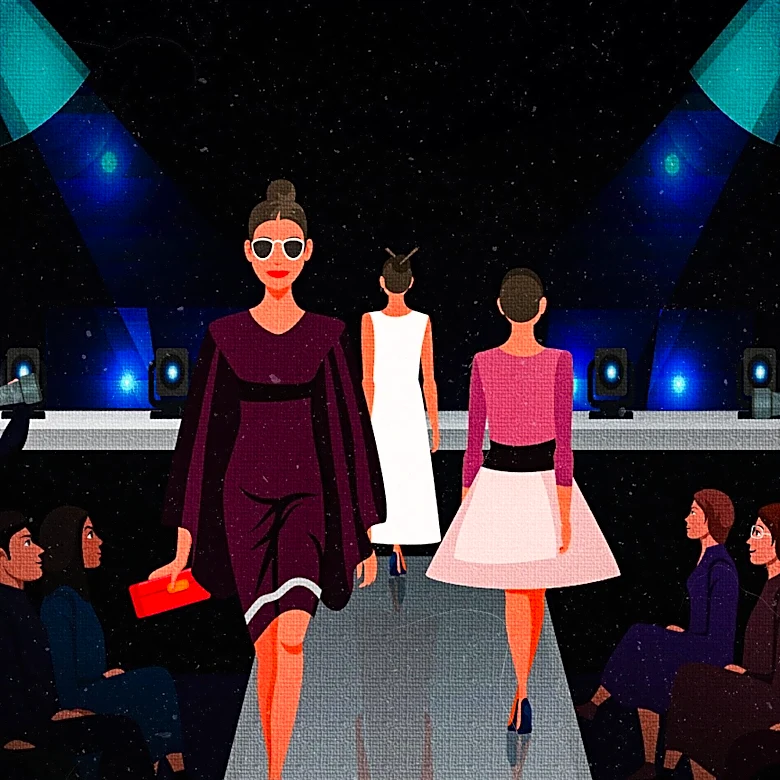
First, let's set the modern scene. In recent seasons, designers at powerhouse brands like Saint Laurent, Celine, and Miu Miu have sent variations of the blouson down the runway. Rendered in buttery leather, sleek wool, or even shimmering satin, today’s
version is the epitome of minimalist cool. It’s often styled with high-waisted trousers or over a simple dress, projecting an air of effortless, androgynous chic. This isn't the bulky American bomber jacket; it’s something more refined, more tailored, with a distinctly European sensibility. Its resurgence speaks to a fashion moment that prizes clean lines and investment pieces with a timeless edge. But to appreciate its current luxury status, you have to understand just how far it’s traveled from its gritty, working-class origins.
Born from Blue-Collar Grit
Before it was a high-fashion statement, the blouson was simply a tool for labor. Originating in 19th and early 20th-century France, it was a short, waist-length jacket designed for practicality. The name itself comes from the French verb "blouser," meaning to blouse or puff out, referring to the way the fabric gathered at the waistband. This design was functional: it kept the wearer warm without getting caught in machinery and allowed for a full range of motion. Typically made from durable materials like cotton drill or thick moleskin, it was the unofficial uniform of factory workers, mechanics, and laborers—the backbone of French industry. It was inexpensive, tough, and utterly devoid of pretense. In its original form, the blouson wasn’t about style; it was about survival and work.
The Uniform of the 'Blousons Noirs'
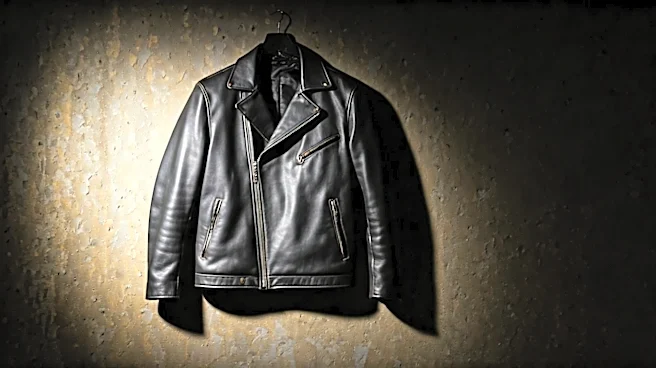
The jacket’s transformation from workwear to cultural symbol began in post-war Paris. In the late 1950s and early 1960s, a youth subculture emerged that the French press dubbed the “Blousons Noirs” (Black Jackets). These were disaffected working-class youths, inspired by American rock ‘n’ roll and movie stars like Marlon Brando in *The Wild One* and James Dean in *Rebel Without a Cause*. They adopted the black leather blouson as their uniform, pairing it with jeans and slicked-back hair. More than just a fashion choice, the jacket became a potent symbol of rebellion against the conservative, bourgeois values of mainstream French society. It signified an outsider status, a rejection of authority, and an allegiance to a new, restless generation. The blouson was no longer just a garment; it was a statement of identity for those on the fringes.
Why Its Story Matters Now
So why is this rugged piece of history making a comeback in the hyper-polished world of luxury fashion? Because its story is what gives it power. In an era saturated with fleeting trends and disposable fast fashion, the blouson offers a sense of authenticity and permanence. Its clean, functional design feels modern, but its history provides a depth that few other garments can claim. For designers, reinterpreting the blouson is a way to tap into a legacy of effortless cool and understated rebellion. For consumers, wearing it is about more than just aesthetics; it’s about channeling that spirit. The modern luxury blouson is a sanitized, aspirational version of its rebellious ancestor. It smooths the rough edges of its past, trading worn leather for pristine calfskin, but it retains the core silhouette that once stood for something raw and real. It allows us to buy into the romance of the outsider without any of the actual risk.