









It Betrays the Franchise's Core Nuance
The magic of Toy Story has never been about simple good-versus-evil showdowns. Its antagonists are consistently some of the most complex and tragic figures in animation. In the first film, Sid Phillips wasn't a monster; he was a creative, if aggressive,
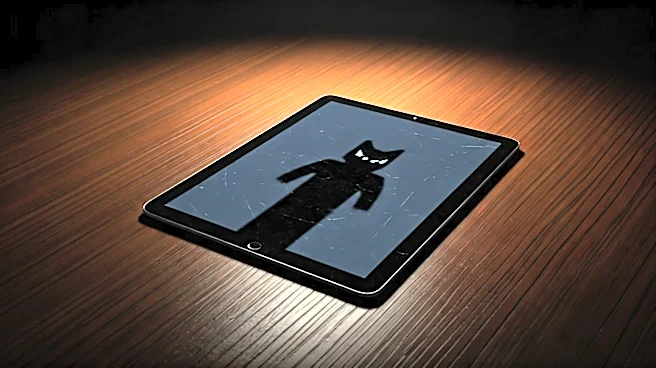
kid who had no idea his 'canvases' were sentient beings. In Toy Story 2, Stinky Pete wasn't evil for the sake of it; he was driven by a deep-seated, paralyzing fear of abandonment and the heartbreak of being left on a shelf. And who could forget Toy Story 3’s Lotso? His villainy was forged in the trauma of being replaced and left behind. These characters aren't just obstacles; they're dark reflections of the heroes' own fears. Making a tablet the villain would flatten this beautiful complexity. An inanimate object, even one that monopolizes a child’s attention, lacks motive, fear, or a broken heart. It would turn a story known for its emotional depth into a shallow cautionary tale, a creative step backward for a franchise that has always moved forward.
The Real 'Villain' Was Always Time
From the very beginning, the true antagonist of the Toy Story saga has never been a single character. It's been the relentless, bittersweet passage of time. It’s the existential dread of a favorite toy realizing his kid is growing up. It’s the fear of being packed away in an attic, donated, or left behind at a rest stop. The central conflict is about obsolescence, change, and finding purpose when the world you were made for moves on without you. Andy getting a new, cooler toy in Buzz Lightyear wasn't about Buzz being 'bad'; it was about Woody confronting his own insecurity and the changing nature of childhood. The wrenching climax of Toy Story 3 wasn't about defeating a villain, but about gracefully accepting the end of an era. Blaming a screen for a child's changing interests completely misses this profound, universal theme. It offers a cheap scapegoat for the most powerful and moving force in the entire series: growing up.
More Than a Lazy 'Screen Time' PSA
Let’s be honest: the 'screen time is bad' debate is already exhausted. Every parent feels a low-grade hum of anxiety about it. We don’t need a 90-minute, beautifully rendered Pixar film to tell us that kids sometimes play on tablets instead of with physical toys. It would be a disservice to the intelligence of both the audience and the storytellers. The studio that gave us a rat who becomes a gourmet chef (Ratatouille), a robot love story in a post-apocalyptic wasteland (WALL-E), and a literal exploration of a child's emotional landscape (Inside Out) is capable of more than a feature-length public service announcement. The more interesting question isn't 'Are tablets bad?' but 'How do classic toys find their place in a world that now includes digital entertainment?' The conflict should be internal and philosophical, not a Luddite-style crusade against a new form of play. A great Toy Story film should add to the conversation, not just parrot the most obvious take.
A More Creative Way to Play
Instead of a villain, a tablet could be a catalyst for a far more interesting story. What if a toy is accidentally 'digitized' and Woody and Buzz have to venture into the internet—a vast, abstract, and terrifying 'world'—to rescue them? This would update the classic rescue-mission format for the modern age. Or, in a more poignant turn, what if the toys must learn to coexist with the tablet? Perhaps they find a new purpose by inspiring a child's digital creations or becoming part of new, hybrid games that blend physical and screen-based play. This would honor the franchise's theme of adaptation. Woody learned to share the spotlight with Buzz. Jessie learned to trust a new kid. Woody even found a new purpose entirely in Toy Story 4. The next logical step is for the toys to grapple with a world where 'play' itself has evolved. That’s a challenge worthy of the Toy Story name.