






An Icon in a Foul Mood
By November 1963, Aleck “Rice” Miller, known to the world as Sonny Boy Williamson II, was a titan of the blues. An enigmatic and often cantankerous figure, he had built a formidable career on the King Biscuit Time radio show and with powerhouse recordings
for labels like Chess Records. That autumn found him touring Europe with the American Folk Blues Festival, a traveling revue of blues royalty introducing raw, authentic American music to a captivated new audience. Williamson, with his masterful harmonica and showmanship, was a clear star of the tour. But on November 1, in a studio in Copenhagen, Denmark, he was not a happy man. The setting was too quiet, too spare, and the session was not going his way.
The Copenhagen Tapes
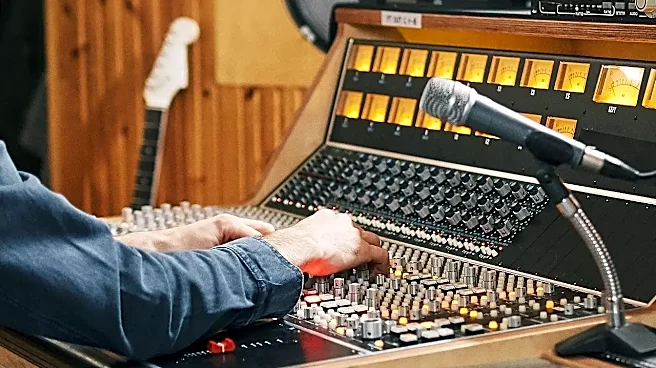
The recording session was organized by Karl Emil Knudsen, founder of Denmark’s Storyville Records. The idea was to capture Williamson in an intimate, acoustic setting, a stark contrast to the electric Chicago blues sound he was famous for. He was paired with the virtuosic pianist Memphis Slim and guitarist Matt Murphy, who would later gain fame with The Blues Brothers. But Williamson, reportedly drinking and in a sour mood, felt the stripped-down format was a disservice to his music. He was used to the power of a full band, the amplified wail of his harmonica echoing through a noisy club. This quiet, reflective session felt like a betrayal of his sound. He played the songs, but his frustration grew.
‘This Ain’t Me’
At the end of the session, Williamson listened back and was furious. This wasn't the sound that had made him a star. It was too raw, too exposed. He dismissed the tapes as worthless, declaring they didn't represent his true artistry. The legend, retold over the years, is that he demanded Knudsen destroy the master tapes. Some versions of the story even have him physically trying to throw the tape box away, disgusted with the performance he had just laid down. He saw it as a failed experiment, a collection of subpar recordings that should never see the light of day. For a moment, one of the most revealing documents of a blues master’s talent was destined for the studio bin.
A Producer's Gamble Pays Off
Karl Emil Knudsen heard something entirely different. Where Williamson heard weakness, Knudsen recognized a rare and profound intimacy. The recordings captured the essence of Sonny Boy Williamson—his sly phrasing, the conversational tone of his harmonica, the weary soulfulness of his voice—without any filter. It was the man behind the larger-than-life persona. Knudsen refused to discard the tapes, preserving them despite the artist’s protests. His faith was eventually rewarded. The recordings were released by Storyville Records on albums including The Blues of Sonny Boy Williamsson and later compiled on the aptly titled Keep It to Ourselves. Today, these sessions are hailed by critics and fans as some of Williamson’s absolute finest work, a cornerstone of his legacy. They showcase a vulnerability and subtlety that his more famous electric recordings only hinted at.