





Beyond Just a Bigger Screen
When you hear “premium large format” or PLF, you might just think of a giant screen. But it’s a full-system upgrade for your senses. Brands like IMAX, Dolby Cinema, and a growing roster of proprietary theater chain formats (like Cinemark XD and Regal
RPX) represent a comprehensive overhaul of the movie-going experience. This isn't just about screen size; it's about superior sound, projection, and even seating. Dolby Cinema, for example, combines its hyper-vivid Dolby Vision laser projection with the object-based Dolby Atmos sound system that places audio in a three-dimensional space around you. IMAX, the longtime leader in the space, pairs its massive screens with proprietary cameras and a unique mastering process that can expand the film's aspect ratio, showing up to 40% more of the image in key sequences. The goal is simple: create an experience so immersive and technically superior that it can't be replicated on a living room TV, no matter how big your screen is.
The Economics of the Experience
For studios and theater owners, the rise of PLF is a strategic response to the dual threats of streaming and a more selective moviegoer. If people are going to leave their couches, the thinking goes, they need a compelling reason. And they’re willing to pay for it. PLF screens, which now account for a significant and growing share of North American box office revenue, command higher ticket prices, boosting a film's opening weekend grosses dramatically. A blockbuster can see up to 40% of its domestic opening revenue come from these premium screens alone. This creates a powerful feedback loop: studios see the massive returns and prioritize PLF releases, while exhibitors, seeing that audiences flock to these screens, invest in building more of them. It's a symbiotic relationship where a film's success is increasingly measured not just by how many tickets it sells, but by how many premium tickets it sells.
Filmed for the Format
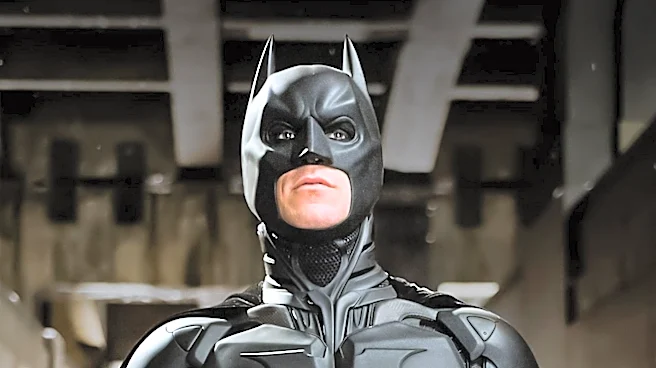
This financial incentive has fundamentally changed how movies are made. A-list directors like Christopher Nolan and Denis Villeneuve don't just release their films in IMAX; they shoot them with IMAX cameras, composing their shots specifically for that immense canvas. This 'Filmed for IMAX' designation has become a crucial marketing tool and a signal of quality for audiences, guaranteeing an experience designed from the ground up for the format. The battle for these screens is now a critical part of a film's release strategy. Studios negotiate fiercely for exclusive multi-week runs on IMAX screens, sometimes a year or more in advance. As seen with the clash between major tentpoles, securing the IMAX window can be as important as the release date itself, creating a structural revenue advantage that competitors without it struggle to overcome.
A New Arms Race
The success of format leaders like IMAX and Dolby has sparked a new arms race among exhibitors and even studios. In 2026, Disney rolled out its own 'Infinity Vision' certification program, setting technical standards for non-branded PLF screens to ensure a consistent, high-quality presentation for its biggest blockbusters. This move is a clear acknowledgment that the PLF brand itself is a major draw. With thousands of theaters applying for certification, it shows a widespread industry effort to standardize and market the premium experience under a unified banner, especially when locked out of the limited IMAX screens. It signals a future where the movie-going landscape might be divided not just by which film you see, but by which certified premium experience you choose to see it in.