

The Reluctant Volunteer
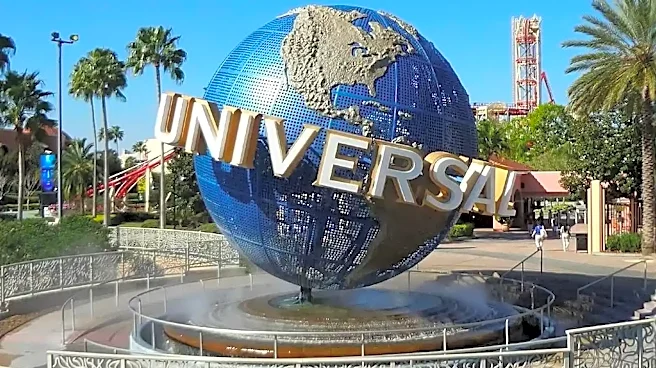
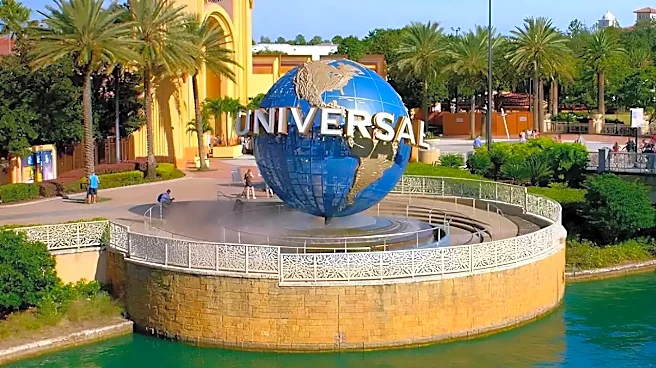
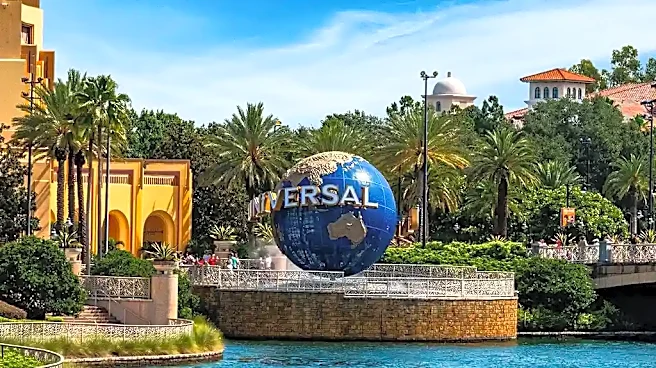
For many, the appeal of paying to be terrified is a mystery. The designated skeptic in any friend group approaches Universal Studios on an event night with a familiar litany of protests: “I don’t like jump scares,” “It’s not my thing,” or the classic,
“I’m only going for you guys.” They imagine a night of cheap gags and predictable frights, endured solely for the sake of friendship. The atmosphere outside the gates is electric, but for them, it’s a charge of dread, not excitement. This person isn’t a fan of horror movies and sees little joy in the macabre. They are, in their own mind, a willing sacrifice for their friends’ night out, expecting to spend most of it with their eyes closed.
The Shock of Theatrical Immersion
The conversion begins the moment they step inside. Halloween Horror Nights isn't a local haunted hayride; it's a masterclass in environmental storytelling and immersive theater. The sheer scale of the production is the first crack in the skeptic's armor. Elaborately themed scare zones transform familiar park streets into nightmarish landscapes, while the haunted houses themselves are movie-quality sets. Guests are not just walking past spooky props; they are stepping into a fully realized world, complete with oppressive sound design, detailed textures, and chilling lighting. This level of detail makes it feel less like a haunted house and more like being the star of your own horror film, a distinction that shifts the experience from cheesy to captivating.
The Psychology of Safe Fear
The next stage of the conversion is psychological. Humans are wired with a fight-or-flight response, and haunted attractions are designed to trigger it. Your heart pounds, your senses heighten, and adrenaline courses through you. However, your brain knows on some level that you're in a controlled environment where the monsters can’t actually harm you. This creates a phenomenon sometimes called “recreational fear.” You get the exhilarating rush of confronting a threat without any real danger. Once the scare is over, the brain is often rewarded with a rush of dopamine, which is why a scream so quickly turns into a relieved laugh. This process can be cathartic, allowing for an emotional release in a safe space.
A Frighteningly Good Team Sport
Perhaps the most crucial element is the one that got them there in the first place: their friends. Navigating a haunted house becomes a powerful bonding experience. You clutch each other’s arms, push the bravest one forward, and erupt into laughter after a particularly effective scare. The shared vulnerability and subsequent relief create instant, hilarious memories. It transforms a solitary experience of fear into a collective one of fun and survival. The event’s tagline, “Never Go Alone,” is more than a warning—it’s a hint at its core appeal. That reluctant friend isn’t just enduring the scares; they’re a key player in a memorable adventure with their favorite people.
The Birth of a Superfan
By the end of the night, something has fundamentally changed. The adrenaline comedown is filled with breathless recaps of the best scares and debates over which house was the most terrifying. The initial dread has been replaced by a genuine thrill. And then comes the inevitable question, uttered by the person who least expected to say it: “So, when are we coming back?” They’re already thinking about next year’s event, speculating on which horror properties will be featured. They’ve gone from being a hostage to a horror devotee, joining a massive and passionate fan community that has made HHN a global phenomenon. The conversion is complete.