







Months Before: Master Your Tech Rider and Stage Plot
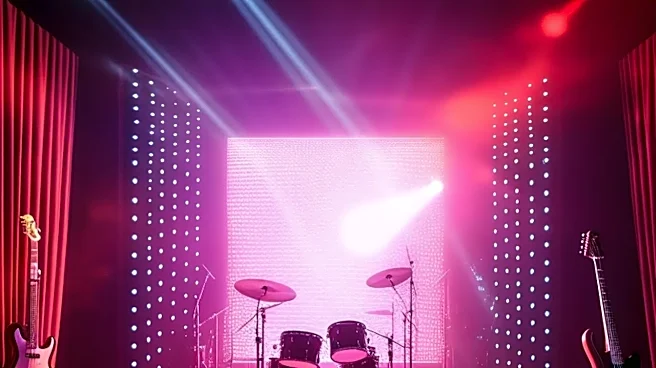
Your technical rider is your most important pre-show document. It’s a detailed list telling the festival’s production team exactly what you need to perform. This isn't a wish list; it's a professional necessity. It should include an input list (every
microphone and DI box you need), a stage plot (a diagram showing where each member and their gear goes), your backline needs (amps, drum kit parts you expect the venue to provide), and any specific power or monitor requirements. Be clear about what gear you’re bringing versus what the festival must supply. Include contact information for a designated band member who can answer technical questions. A professional and realistic rider ensures the sound crew is ready for you, saving everyone from frustrating surprises during soundcheck.
Weeks Before: Advance the Show Like a Pro
Advancing the show means confirming all logistical details with the festival's production manager or artist liaison. This happens weeks out, not the day before. Confirm your load-in time, soundcheck time and duration, set time, and set length. Ask about any sound restrictions or other venue-specific rules. This is also your chance to verify that they’ve received and can meet your tech rider. If they can't provide a specific piece of gear, you need to know now so you can make other arrangements. Confirm who your on-site contact will be and get their cell number. A smooth show day is built on clear communication long before you arrive at the gate.
Craft a Festival-Specific Setlist
A festival audience is not the same as your dedicated fans at a headline club show. You’re playing for a broad mix of people, many of whom have never heard of you. Your setlist should be built for impact. Prioritize your most energetic, engaging, and high-impact songs. A 30- or 45-minute festival slot is a sprint, not a marathon. Keep lulls between songs to a minimum and consider introducing your band and the names of your songs to help new listeners connect. Some artists even find success with a well-chosen, high-energy cover to grab the crowd's attention. Your goal is to convert casual listeners into new fans, and that starts with a set that demands their attention.
Rehearse for Chaos, Not Perfection
Your rehearsal shouldn't just be about hitting the right notes. It should prepare you for the unpredictable festival environment. Practice your set exactly as you plan to perform it, including any transitions or on-stage banter. But also, rehearse potential problems. What happens if a guitar string breaks? Who handles it? What’s the plan if a monitor fails? Have a plan for quick recoveries. The festival stage is a high-pressure environment with short changeover times. A well-rehearsed band doesn't just know their songs; they know how to handle mishaps without missing a beat, ensuring the show goes on smoothly.
Day Before: Pack the Essentials Go-Bag
The day before the show, pack your personal and professional 'go-bags.' One bag should have everything you need for the stage: spare strings, picks, drumsticks, batteries, tuners, and extra cables of every kind (instrument, speaker, power). A roll of gaffer tape and a multi-tool can solve a surprising number of last-minute problems. Create a second bag for off-stage survival. This should include water, protein bars, a portable phone charger, sunscreen, Sharpies for signing merch, and any necessary medications. Having everything organized reduces day-of stress and ensures a minor inconvenience doesn't become a show-stopping disaster.
Day Of: Soundcheck and Stage Awareness
Your soundcheck time at a festival is often short and chaotic. Arrive early and be ready to go the moment the stage is yours. Focus on the most critical elements first: vocals and monitor mixes. Be polite and clear with the sound engineer—they are your most important ally. Use this time to get a feel for the stage and sightlines. Know where your bandmates are and be aware of any potential hazards like cables or uneven surfaces. A quick, efficient soundcheck sets a professional tone and ensures you can hear what you need to deliver your best performance when the crowd arrives.