







The Potent Power of the Past
The first ingredient in this complex marketing cocktail is nostalgia. Brands are increasingly tapping into the 1990s, an era that holds a special allure for millennials who now possess significant purchasing power. This generation, which grew up with
dial-up internet and Saturday morning cartoons, now finds itself in the target demographic for anti-aging skincare. By using a 1990s archive image—perhaps a grainy shot of a stylish spectator in the stands or a player between points—a brand instantly evokes a sense of comfort and authenticity. This isn't just about rehashing old trends; it's a psychological strategy. Nostalgia generates positive emotions, making audiences more receptive to a brand's message. An old photo feels less like an advertisement and more like a genuine cultural artifact, allowing a product to borrow a sense of history and coolness that it couldn't possibly manufacture on its own. In a digital world saturated with polished, often sterile content, the imperfect, analog feel of a '90s image cuts through the noise, feeling more trustworthy and real.
Borrowing the Aura of Centre Court
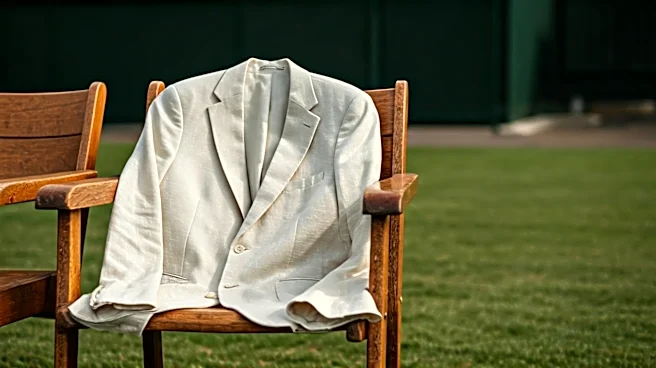
The second element is association with a high-status cultural event: Wimbledon. The tournament deliberately maintains a “clean court” philosophy, with minimal on-court branding from a few select heritage partners like Rolex and Ralph Lauren. This exclusivity makes any association, official or not, incredibly powerful. For a beauty brand, referencing Wimbledon isn't about selling to tennis players; it's about borrowing the event's DNA. Wimbledon signifies tradition, quiet luxury, and elite performance. Even an indirect link—like using an archival photo from the grounds—subtly transfers those qualities onto the product. The strategy has become more prevalent as the worlds of beauty and sports increasingly merge. Brands like La Roche-Posay and E.l.f. have forged partnerships with tennis stars and tournaments, recognizing that athletes are now seen as cultural influencers whose appeal extends far beyond their sport. A brand doesn't need to be an official sponsor to benefit; by simply placing its product in the context of Wimbledon's iconic setting, it suggests it belongs in that same world of prestige and excellence.
The Scientific Seduction of Peptides
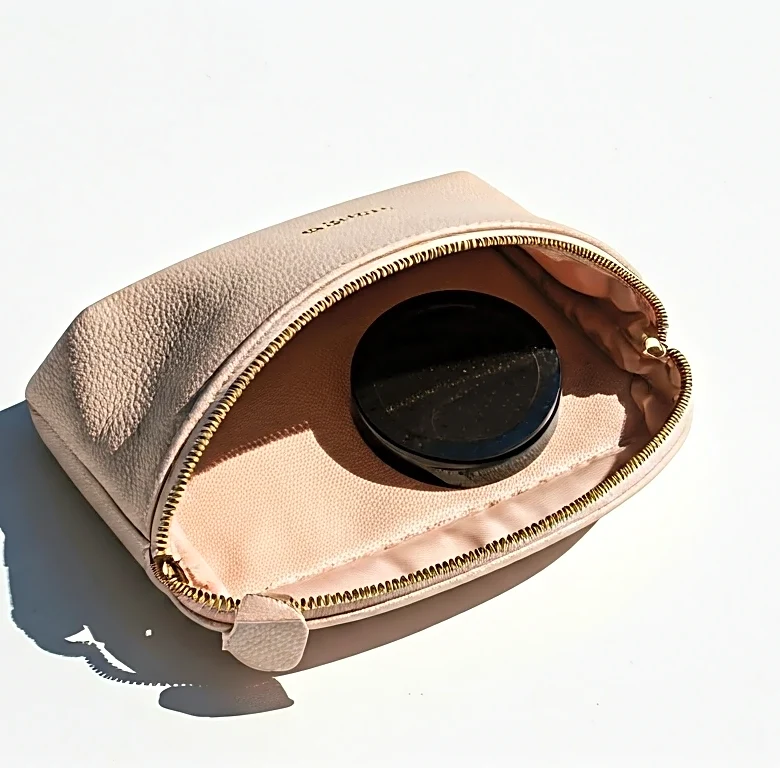
The final piece of the puzzle is the product itself: a peptide eye cream. Peptides have become a dominant force in the skincare market, with consumer searches for the ingredient surging. The term sounds scientific, clinical, and serious, promising more than just simple moisturization. Brands market peptides as biological messengers or signaling molecules that can instruct the skin to repair itself and produce more collagen. This biotech-driven language positions the product as a high-performance solution, moving it from the realm of simple cosmetics into the world of regenerative skincare. In 2026, consumers are increasingly sophisticated, looking for clinically backed ingredients and visible results. The specificity of an “eye cream” also adds to its appeal, suggesting a targeted, potent formula designed for a delicate area. By anchoring the campaign to a peptide cream, the brand marries the emotional pull of nostalgia and the aspirational allure of Wimbledon with a tangible promise of scientific efficacy. It creates a complete package: the product feels both culturally relevant and clinically effective.
Creating an Unspoken Narrative
When combined, these three elements—90s nostalgia, Wimbledon's prestige, and the scientific promise of peptides—create a marketing narrative that is greater than the sum of its parts. The brand isn't just selling an eye cream; it's selling an identity. The 1990s reference connects with the consumer's personal history, the Wimbledon setting taps into aspirations of elegance and sophistication, and the peptide formula provides a logical justification for the purchase. The message is layered and largely subconscious. It says: 'This product is for someone who is cool and culturally aware (the '90s), who appreciates quality and timeless style (Wimbledon), and who is smart and discerning about the science behind their skincare (peptides).' It's a powerful trifecta that builds 'heat' not through loud claims or flashy discounts, but through carefully curated association. It allows a brand to create a rich, compelling story around a simple jar of cream, turning it from a mere commodity into a cultural totem.