







The Science of Destruction
Playa dust is not ordinary dirt. It’s a highly alkaline powder, composed of fine silt and clay from a dry lakebed. Its chemical makeup is corrosive, and when it comes into contact with clothing, it begins to break down organic fibers. Materials like cotton
and linen are particularly vulnerable. The alkalinity weakens their structure, much like a mild chemical agent would over time. The result is fabric that feels brittle and is prone to tearing. Dyes fade, and perhaps most notoriously, the dust is a death sentence for anything with elastic. The alkaline particles degrade the material, robbing it of its stretch and leaving waistbands and cuffs limp and useless.
An Unshakeable Presence
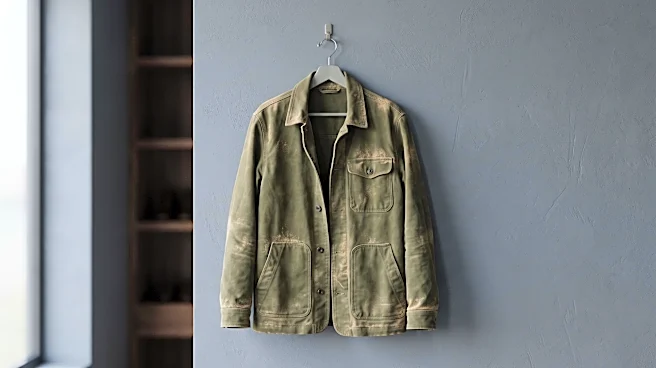
The dust’s physical properties make it incredibly invasive. The particles are so fine that they work their way deep into the weave of any fabric, lodging themselves between fibers in a way that regular washing often can't undo. This is why even after multiple cleanings, a faint pale sheen or a distinct dusty smell can remain. It gets into seams, zippers, and bootlaces, creating a permanent bond with the item. While this infiltration contributes to the breakdown of the garment, it’s also the very thing that transforms it from a piece of clothing into something more.
The Birth of the Souvenir
For many who attend events like Burning Man, that lingering dust isn’t damage; it’s a patina. A dust-coated jacket or pair of boots is not seen as dirty but as a physical record of an experience. It’s a testament to the dust storms endured, the art explored, and the community built. The clothing becomes a tangible piece of personal history, with every grain of dust holding a memory. This is why many veterans of the desert don't rush to scrub their gear clean. That layer of dust is a badge of honor, a sign that the item—and its owner—was truly there.
A Curated Collection of Memories
Over time, regulars build up a dedicated collection of “playa clothes”—garments and accessories that are brought out year after year. These items are understood to be sacrificial. They are offered up to the desert, with the knowledge that they will be fundamentally changed by the experience. A favorite faux fur coat might lose some of its softness but gain a story. A pair of boots might never look the same, but they become a trusted companion for future adventures. This act of curating a dusty wardrobe is a way of accepting the transformative, and sometimes destructive, nature of the environment itself.
To Wash or Not to Wash
For those who do want to salvage their everyday wear from the dust's clutches, there is a method. The key is to neutralize the alkalinity. A common and effective trick is to add white vinegar to the wash cycle, which helps break down and release the alkaline particles from the fabric fibers. However, the choice to wash is often a deliberate one. Some items are immediately soaked, while others are carefully stored, dust and all, preserving them as artifacts of a unique and personal journey. The dust may ruin the fabric, but in the process, it creates an archive of where you've been.