





The 48-Team Revolution
The single biggest disruptor for 2026 is simple math: the tournament is expanding from 32 to 48 teams. This isn’t just about adding more games; it’s a fundamental change to the tournament's DNA. For years, the 32-team format created brutal qualifying
paths, particularly in Africa and Asia, and unforgiving four-team groups where one bad result could send a good team home. The new format changes that calculus entirely. With 12 groups of four, the top two teams from each group will advance, joined by the eight best third-place teams. Suddenly, the group stage isn’t just about survival of the fittest; it's about giving more teams a viable path to the knockout rounds. This creates a massive opportunity for the “middle class” of international soccer—nations like Japan, Senegal, Serbia, and Morocco—who have the talent to compete but were often squeezed out by the old format's narrow margins. A single draw might no longer be a disaster, and a plucky third-place finish could be the springboard for a Cinderella run.
A Home-Field Advantage Like No Other
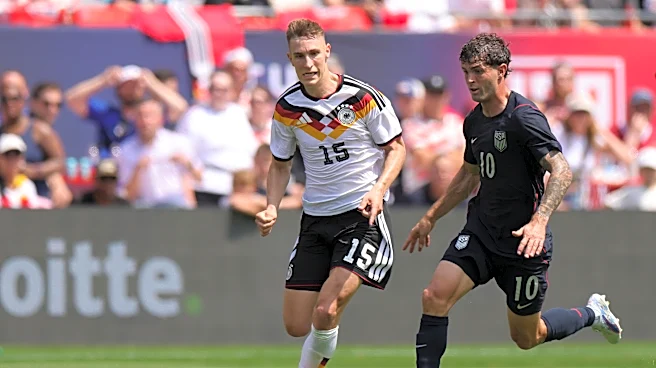
Hosting a World Cup provides a massive boost. Hosting it across an entire continent is a game-changer. The United States, Mexico, and Canada will benefit from more than just automatic qualification and friendly crowds. They get to skip the grueling travel and time-zone adjustments that wear down visiting teams. For the USMNT, this is a golden opportunity. The core of the team—Christian Pulisic, Weston McKennie, Tyler Adams, Gio Reyna—will be in their absolute prime. They’ll be playing in familiar stadiums, sleeping in their own beds, and fueled by a home audience newly energized by the sport's domestic growth. This isn't the same as 1994, when the U.S. was a curious host. This is a team and a country that expects to compete. Don't underestimate the power of this continental advantage. While European giants are flying across six time zones, the North American teams will be settling in for a month-long home stand.
The Post-Messi Generational Shift
For nearly two decades, the narrative of international soccer was dominated by two men: Lionel Messi and Cristiano Ronaldo. Their departure from the pinnacle of the sport leaves a power vacuum. While Kylian Mbappé is the heir apparent, the era of a few titans ruling over everyone else feels over. The 2022 tournament in Qatar was a preview of this new world. Argentina’s victory felt like a glorious last ride for an old guard, while Morocco’s historic run to the semifinals, built on tactical discipline and collective spirit, showed what was possible. This generational shift benefits teams built around a cohesive system rather than a single superstar. It opens the door for well-coached, athletic, and organized teams from outside the traditional elite. Nations from Africa (CAF) and Asia (AFC) gain the most extra spots in the new format, giving them more chances to blood new talent on the world’s biggest stage and build on the success of teams like Morocco and South Korea.
What It Means for the Old Guard
So, does this mean Brazil, Germany, France, and Argentina are finished? Absolutely not. They will remain the Vegas favorites, boasting talent pipelines that churn out world-class players. However, their path to the final is now riddled with more potential landmines. The expanded 32-team knockout stage means there are no easy draws. A traditional powerhouse could easily find itself facing a confident, battle-hardened team from a non-traditional confederation in the first knockout round—a team that would have never even qualified under the old system. The margin for error is gone. Complacency will be punished. The old powers can no longer just show up and expect their pedigree to carry them through the early rounds. They will be tested earlier and more often, making the entire tournament more volatile and unpredictable than ever before.