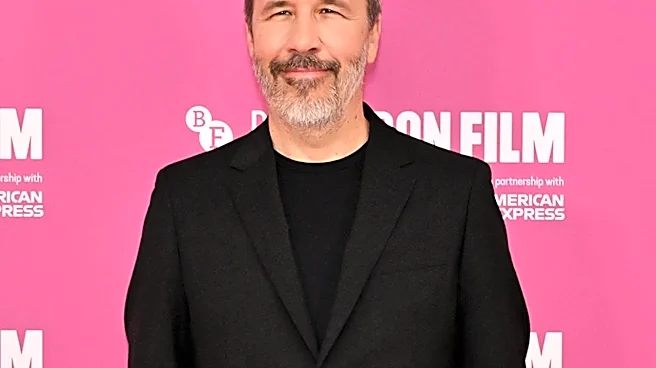

Every October, the film world turns its eyes to the UK. Once a humble showcase of other festivals' hits, the BFI London Film Festival is now a powerhouse. How did it become a crucial stop on the road to Oscar
and BAFTA glory?
From Humble Beginnings to a Global Player
The BFI London Film Festival (LFF) wasn't born a giant. Launched in 1957, its original mission was to be a 'festival of festivals,' bringing the best films from Cannes, Venice, and Berlin to UK audiences. For years, it was a cinephile's dream but hardly a major stop for premieres or awards campaigns. It showcased films that had already made their mark elsewhere, like Akira Kurosawa's 'Throne of Blood' and Ingmar Bergman's 'The Seventh Seal' in its first year. The festival was more of a cultural event for Londoners than a destination for the global film industry. Its transformation wasn't sudden; it was a steady evolution, built on smart decisions and a bit of good timing.
The Perfect Spot on the Calendar
Arguably the single biggest factor in LFF's rise is its calendar slot. Taking place in October, it sits in a strategic sweet spot. The major early fall festivals—Venice, Telluride, and Toronto—happen in late August and September. They are the launchpads where Oscar hopefuls are first revealed. But a film needs to maintain momentum to stay in the awards conversation through the winter. That's where London comes in. It provides the perfect platform for a buzzy film to have its European or UK premiere, keeping it in the headlines and fresh in the minds of voters just as the campaign season heats up. A successful run in London can solidify a film's status as a serious contender.
The Gateway to BAFTA Gold
For any film with awards ambitions, the British Academy Film Awards (BAFTAs) are a critical stepping stone to the Oscars. And there is no better place to make an impression on BAFTA voters than the UK's most prestigious film festival. LFF provides a high-profile stage for contenders to make their case directly to the British film industry. A warm reception at a London gala or a win at the festival awards can significantly boost a film's BAFTA chances. This direct line to BAFTA voters makes attending LFF a near-mandatory stop for distributors managing a global awards campaign, cementing its role as an essential part of the circuit.
A Festival for the Public, Not Just the Industry
Unlike the industry-dominated feel of Cannes or the exclusive nature of Telluride, the BFI London Film Festival is, at its heart, a public festival. While it hosts major industry events, press screenings, and A-list red carpets, its primary audience is the general moviegoing public. This creates a unique and powerful dynamic. Studios and distributors get to see how their films play with a real, paying audience, generating organic buzz that feels more authentic than industry chatter. For its 70th edition in 2026, the festival is screening 251 works from 88 countries, with many screenings happening in cinemas across London and the UK, reinforcing its audience-first approach.
The Proof Is in the Premieres
Ultimately, a festival's reputation rests on its lineup. In recent years, LFF has consistently programmed future Oscar and BAFTA winners. As it celebrates its 70th anniversary in 2026, its lineup is stronger than ever. The festival features major galas like the European premiere of 'Elsinore', starring Andrew Scott, and the UK premiere of Jesse Eisenberg's 'The Debut', starring Julianne Moore and Paul Giamatti. It's also hosting world premieres for anticipated films like Laika's 'Wildwood' from director Travis Knight and Brad Bird's 'Ray Gunn'. With a slate packed with world-class talent and films already generating awards buzz, LFF has proven it is no longer just showing the hits—it is helping to create them.