



The Park as a Protagonist
Most festival grounds are functional spaces: a giant field, a parking lot, a desert basin. Golden Gate Park is different. With over a century of history, its sprawling meadows, dense cypress groves, and winding paths act as a main character in the festival's
story. The name itself, Outside Lands, is a nod to the 19th-century term for this once-remote part of San Francisco, embedding a sense of place and history from the start. The main Lands End stage may occupy the vast Polo Field—a space with its own history of public gatherings from horse races to the 1967 Human Be-In—but the park’s true magic lies in the spaces between. The festival isn't just in the park; it's a conversation with it.
Journeys, Not Just Commutes
At many festivals, moving between stages is a straightforward, shoulder-to-shoulder march across flat ground. At Outside Lands, it’s a narrative adventure. The trek from the main stage to the Sutro stage in Lindley Meadow or the Panhandle stage isn't a straight line. It's a journey up a gentle slope, through a grove of trees where lights dapple the path, and past art installations that appear like mythical creatures in the woods. These transitional moments—getting slightly lost, discovering a hidden clearing, or simply enjoying the cool air under the tree canopy—become integral parts of the festivalgoer’s personal story. The park’s topography turns a simple logistical challenge into a memorable, almost cinematic, experience.
An Atmosphere by Nature
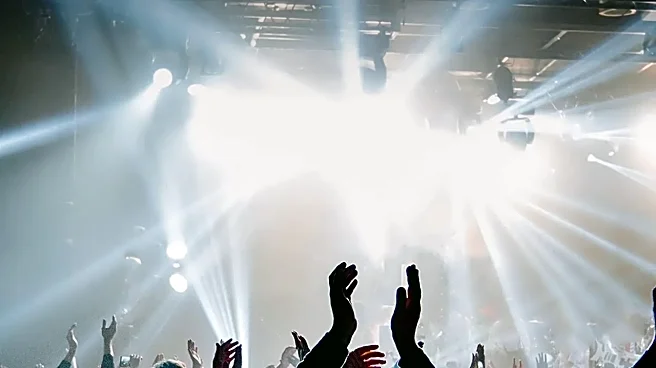
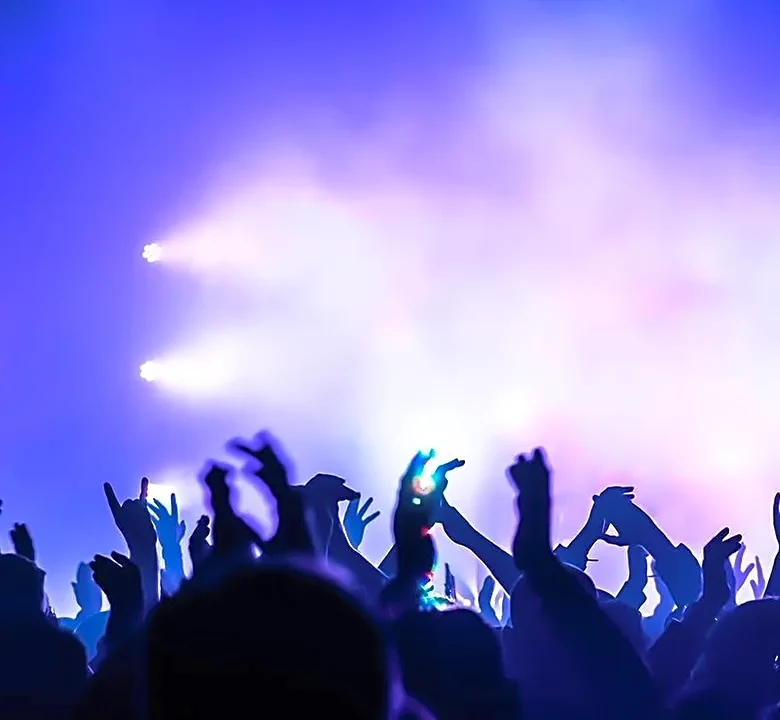
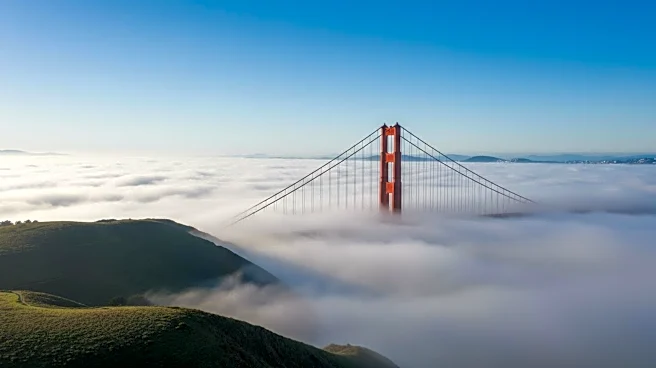
You can’t talk about Outside Lands without talking about Karl the Fog. The city's famous marine layer often rolls in during the late afternoon, transforming the park into a completely different environment. What was a sunny meadow becomes a cool, mystical landscape, with stage lights cutting dramatic beams through the mist. This natural headliner forces attendees to embrace the quintessential San Francisco experience of dressing in layers. The towering eucalyptus and cypress trees do more than just frame the stages; they affect the acoustics, absorb sound, and create more intimate pockets of experience, a stark contrast to the wide-open soundscapes of other major festivals.
A Geography of Genre
The festival's layout smartly uses the park's varied landscapes to create distinct musical worlds. The SOMA stage, a haven for house and techno, has evolved into an open-air dance floor nestled in Marx Meadow, mimicking an underground club set against a natural backdrop. The Sutro stage often hosts indie and folk acts that complement the relaxed, meadow setting of Hellman Hollow. Even specialty areas like Wine Lands, Beer Lands, and the pioneering Grass Lands feel organically placed, as if you’ve stumbled upon a hidden village within the larger festival nation. This curation allows the park's natural divisions to create a grammar of genre, where the physical environment tells you what kind of story you're about to hear.