



The Anatomy of a Separation
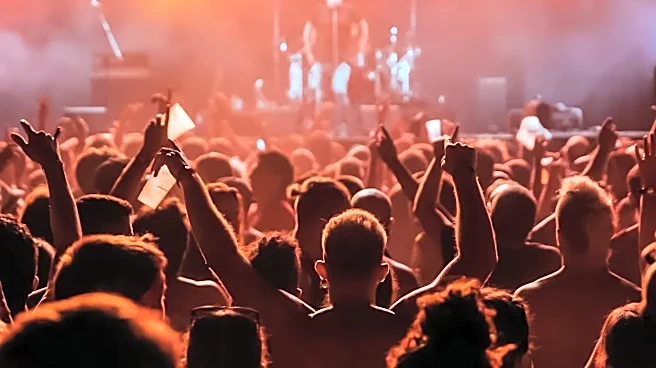
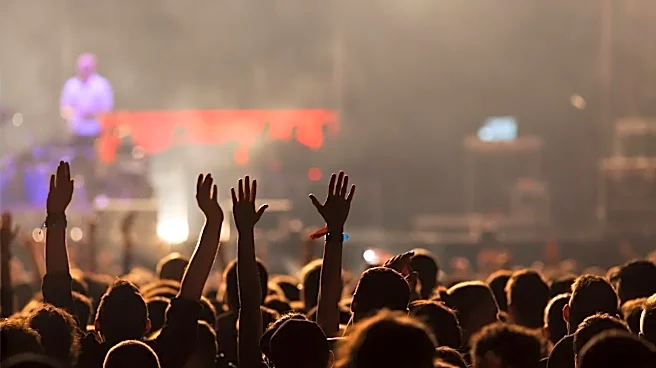
It happens faster than you can say “Let’s get garlic fries.” One minute, you’re a tight-knit unit, a human chain navigating the river of humanity flowing from the Lands End stage toward Sutro. The next, someone peels off. Maybe they spotted a friend from college,
or heard the siren song of a shorter beer line, or decided they absolutely must investigate the neon glow of the SOMA tent. You turn to make a sarcastic comment, and they’re gone. Vanished. Swallowed by a sea of bucket hats and vintage jackets. Your group chat, once a beacon of logistical certainty, becomes a digital graveyard of single blue checkmarks. The texts—"Where r u?" "by the big tree" "WHICH ONE?!"—are sent into the void, unanswered.
The Golden Gate Park Black Hole
Outside Lands presents a unique set of challenges that make it a perfect storm for group separation. The first culprit is simple physics. With tens of thousands of people crammed into the western end of the park, local cell towers get overwhelmed. Even if your phone shows full bars, the network is too congested for a simple text message to break through the digital noise. It’s like trying to whisper in a hurricane. Then there’s the park itself. Unlike a contained stadium, Golden Gate Park is a sprawling, majestic labyrinth of rolling hills, eucalyptus groves, and winding dirt paths. Stages like Sutro are nestled in natural hollows, creating sound and sightline dead zones. The very things that make the venue beautiful—the trees, the sheer scale, the feeling of being in nature—also make it fiendishly difficult to navigate and maintain contact. You agree to meet at “the windmill,” only to find there are several, and none of them are where you thought they were.
The Five Stages of Being Lost
Every solo journey at Outside Lands follows a predictable emotional arc. First comes Denial: "They’re right behind me. I’ll just wait here for a second." Next is Bargaining: "Okay, if I stand by this Ranger Dave statue for 10 minutes, they will magically appear." This quickly gives way to Anger: a silent, simmering rage directed at your wireless carrier, your friend who wanted to see the art installations, and the universe in general. Soon after, Despair sets in. You are a lone ship in a foggy sea, destined to wander the Polo Field for eternity. And then, finally, comes Acceptance. You realize you can hear your favorite band perfectly from where you are. You’re untethered. You can go see that DJ your friends hate or grab a snack without a committee vote. You are free.
A Shared, Unspoken Ritual
Here’s the secret: this temporary chaos is part of the deal. It’s a feature, not a bug. The brief, frantic separation forces you out of your social bubble. You might have a conversation with a stranger while waiting for a set to start. You might discover a new favorite artist on a smaller stage you stumbled upon by accident. And the reunion, when it finally happens, is all the sweeter. The triumphant moment when you spot your friend’s ridiculous totem pole bobbing above the crowd is a high that rivals any headliner’s encore. It’s a shared experience of frustration, independence, and ultimately, relief. This mini-adventure, this 20-minute (or 45-minute, let’s be honest) solo quest, is woven into the fabric of the festival. It generates the best inside jokes and the most vivid memories long after the music has faded.