


The Illusion of the Watercooler
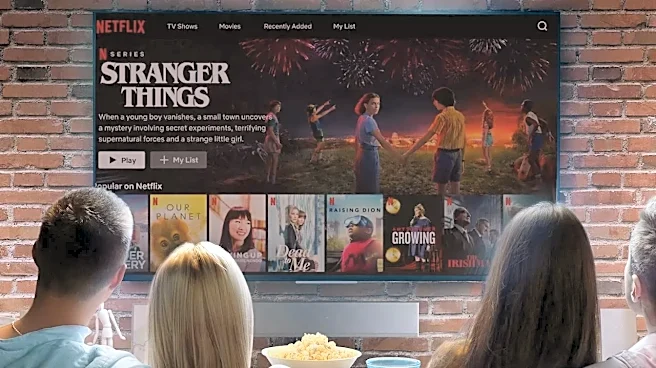
For decades, the “watercooler show” was the pinnacle of television: a series so gripping that everyone would discuss it at work the next day. But in the streaming era, that shared cultural space has become fractured. With viewers spread across countless
platforms and watching at their own pace, the communal, real-time conversation has largely moved online, where it's nearly impossible to avoid spoilers. The pressure to watch immediately is driven by a fear of being left out, but the reality is that the watercooler is dead; long live the group chat you have to mute for a month. The idea of a single, unified TV conversation has been replaced by a fragmented landscape where waiting isn't just acceptable, it's a necessary survival tactic.
The Strategic Art of the Delay
Choosing to wait isn't a sign of being behind the times—it's a power move. We're living in an age of overwhelming choice, where viewers spend significant time just scrolling, trying to decide what to watch. By letting a new series air a few episodes, you give the critical consensus time to form. You can see if a promising pilot fizzles out, if the story holds up, or if it’s another show destined for a premature cancellation. This strategic patience allows you to vet new shows before investing your most valuable asset: your time. Instead of gambling on every shiny new premiere, you get to curate a high-quality watchlist based on word-of-mouth and reviews, effectively outsourcing the initial quality control.
A Better Way to Absorb a Story
Binge-watching an entire season in one go can often lead to the episodes blurring together, robbing emotional moments of their impact. Conversely, the week-long gap between episodes can sometimes stall narrative momentum. The sweet spot is the mini-binge: watching two or three episodes in a single sitting. This method allows you to fully immerse yourself in the show's world and appreciate the story's arcs without the long wait or the burnout of a full-season marathon. It respects the narrative structure that writers build across several episodes, offering a more satisfying and coherent viewing experience. You get the depth of a longer viewing session with the space to process what you’ve seen before diving into the next batch.
How to Embrace the Lag
Making the switch from an instant watcher to a patient connoisseur requires a few small adjustments. First, become comfortable with the mute button on social media to dodge spoilers for shows on your to-watch list. Second, find a friend to agree to wait with you, creating your own delayed-viewing club. Finally, treat your watchlist like a wine cellar. Let promising new shows age for a few weeks. When you finally sit down to watch, you won’t be frantically trying to keep up with the hype; you'll be settling in to enjoy a proven, quality product at your own pace. The fear of missing out is replaced by the joy of intentionally opting in.