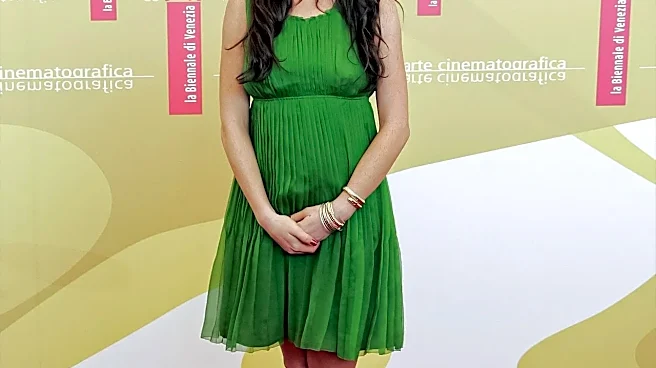

The Early Days: The 'Nice Dress' Era
In its formative years, the Toronto International Film Festival was a more modest affair, focused more on cinema than celebrity spectacle. The red carpet existed, but it was a far cry from the global media
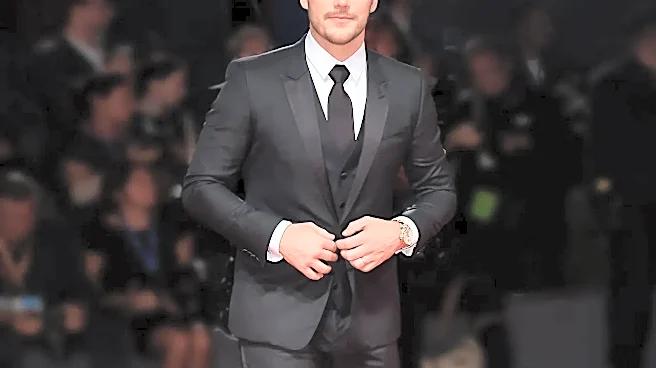
event it is today. Photographers shot on film, meaning they were more selective with their shots. The resulting images appeared in the next day's papers, and the fashion reflected this reality. A celebrity’s job was to look elegant and composed for a handful of static, front-facing photos. Outfits were often classic and beautiful but lacked the intricate storytelling we see now. The main goal was simple: wear a nice dress or a sharp suit. There was little pressure for a garment to perform from every conceivable angle or create a viral moment, because the media landscape that demanded it didn't exist yet.
The Digital Boom and the 360-Degree Problem
The turn of the millennium brought the digital photography revolution, and everything changed. Suddenly, photographers could take hundreds, even thousands, of photos at a single event and upload them to online galleries almost instantly. This shift created a new challenge for stars and their stylists. An outfit was no longer judged by one perfect, posed shot. Instead, it was scrutinized from the front, back, and sides. Was the fabric unforgiving under the harsh, repetitive flash? Did it bunch awkwardly when the star turned to wave? This new reality forced fashion to become more robust and meticulously planned. Details mattered more than ever. A simple slip dress might look great head-on but could reveal too much under a barrage of digital flashes. This era birthed the need for 360-degree perfection, where every seam, stitch, and accessory had to be flawless from any viewpoint.
Social Media and the Statement-Making Look
If digital photography created the 360-degree problem, social media turned the red carpet into an interactive stage. With the rise of Instagram, Twitter, and TikTok, a premiere outfit's lifespan extended far beyond the event itself. A look wasn't just for the press line; it was for millions of screens, ready to be liked, shared, and memed. This amplification changed the calculus of red carpet dressing entirely. A look now needed to be graphic, bold, and instantly communicable in a thumbnail-sized image. It had to tell a story. We see this in the dramatic silhouettes, vibrant colors, and clever details that define modern TIFF carpets. An outfit that could spark conversation—or even a viral trend—became more valuable than one that was merely safe and elegant. The clothing was now content, designed to capture attention in a relentlessly scrolling feed.
The Modern Carpet: Movement, Texture, and High-Def Demands
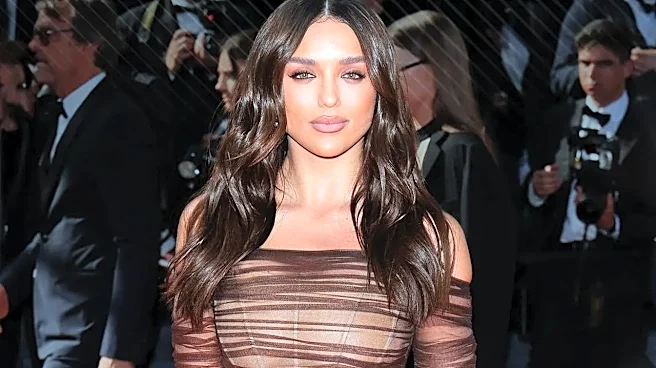
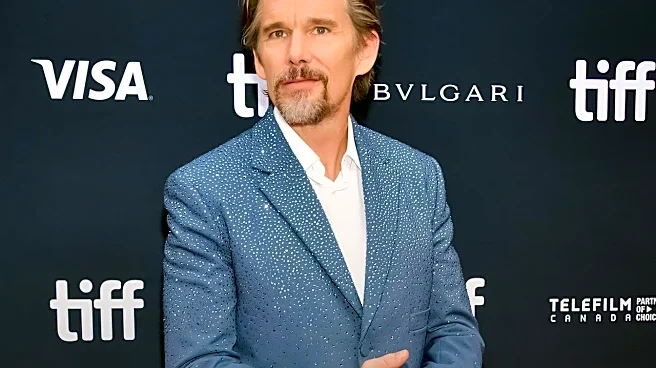
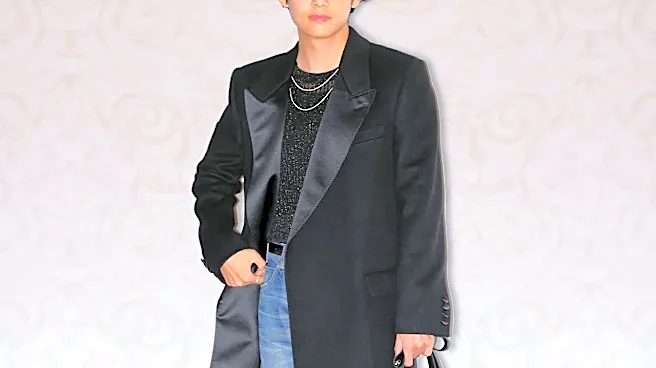
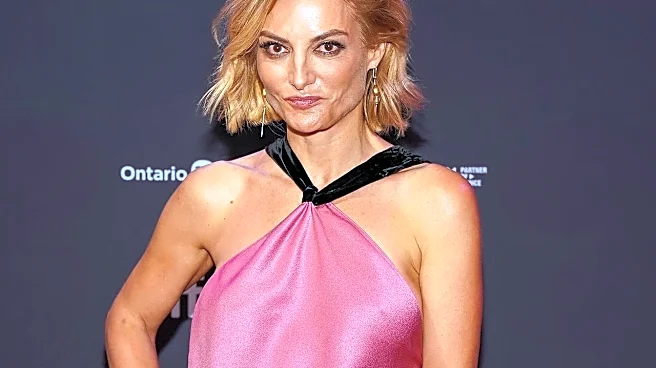
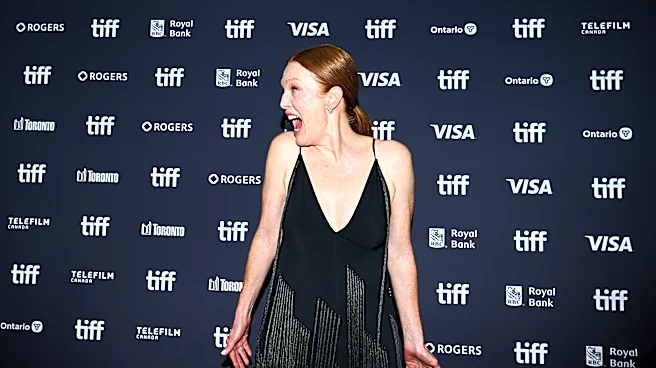
Today's TIFF red carpet is the final boss of press photography. It’s not just about stills anymore. High-definition video, slow-motion 'glambot' cameras, and live streams mean that clothing must have life and movement. Stylists and designers now consider how a fabric catches the light as it moves, whether a train flows dramatically, or if intricate beadwork will pop in 4K resolution. An outfit has to perform. This is why we see more complex textures, sculptural shapes, and couture pieces with elaborate detailing at recent festivals. A dress isn't just a dress; it's a piece of kinetic art designed for a multi-platform visual experience. Even grooming has adapted, with stylists ensuring a cut photographs well under bright, direct lighting from all angles. The communication is no longer just about looking good, but about creating a complete, dynamic, and unforgettable visual narrative for a global audience.