




The Performance of Not Caring
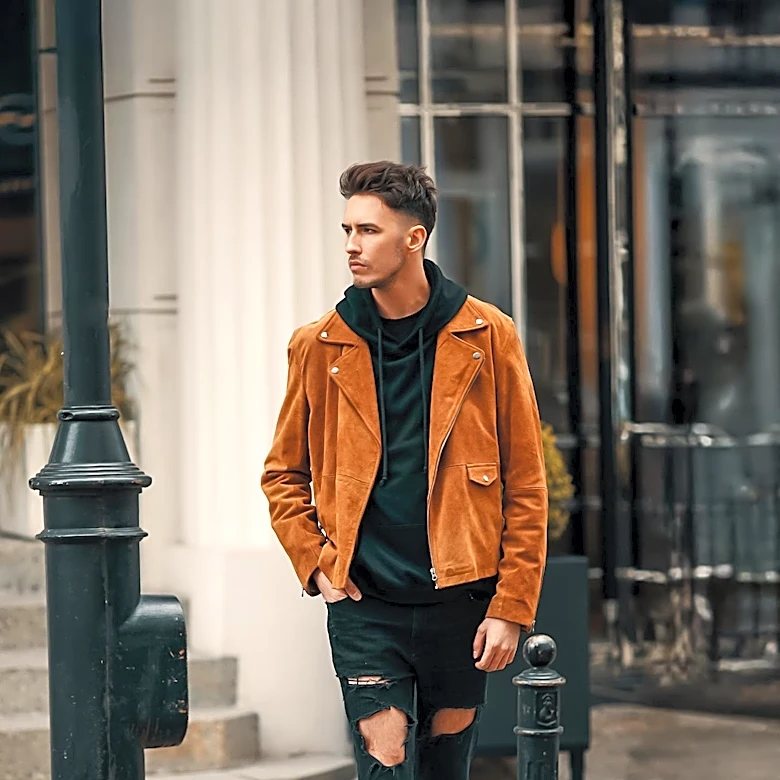
The fundamental misunderstanding about American casual style is that it's about not caring. In reality, it's about looking like you don't care, which is a far more complex social performance. While a suit and tie have clear rules, the perfect American casual outfit
projects an image of effortless cool that often requires significant effort. The goal is to look like you just threw something on and it happened to be perfect. This illusion is built on a complex foundation of brand awareness, social context, and trend-consciousness that is nearly impossible for an outsider to grasp instantly. It’s a culture that prizes comfort and practicality, but within a very specific, and often unspoken, aesthetic framework. The resulting pressure to appear effortlessly nonchalant is the first major hurdle for shoppers accustomed to more defined dress codes.
Lost in a Sea of Sameness
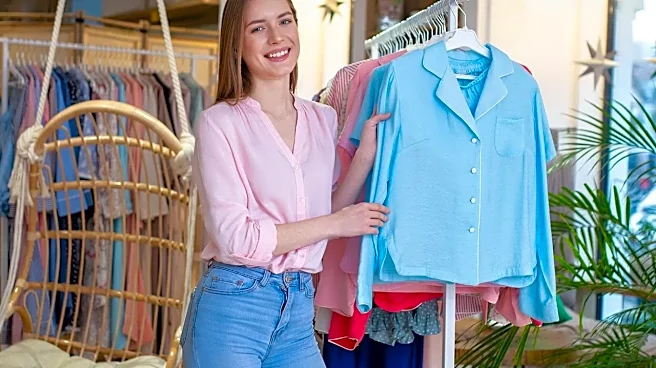
Walking into a typical American department store or mall can be an overwhelming experience. Shoppers are met with a staggering quantity of clothing, yet so much of it feels strangely uniform. This is the paradox of choice in the U.S. apparel market. The landscape is dominated by fast-fashion giants that produce massive volumes of trendy, low-cost basics. For a first-time shopper, the sheer number of options doesn't translate to better choices; it creates confusion. It's hard to distinguish value when faced with hundreds of similar-looking jeans or hoodies. This abundance of low-quality, disposable garments means that finding well-made, durable pieces at a reasonable price—the kind of clothing that forms the backbone of a wardrobe in many other countries—can feel like a treasure hunt.
The Disappearing Middle Market
A common point of frustration for international shoppers is the structure of the American market itself. In many parts of the world, there is a robust 'middle ground' of clothing: well-constructed, stylish garments that are neither dirt-cheap fast fashion nor prohibitively expensive luxury. In the U.S., this middle has been hollowed out. Shoppers often find themselves navigating a polarized world of either disposable clothing that might not survive a few washes or high-end designer items with exorbitant price tags. Contemporary brands aim to fill this gap, but they aren't as prevalent as the big-box stores and fast-fashion outlets that define the mainstream shopping experience for many. This leaves many visitors wondering where to find everyday clothes that are built to last without requiring a luxury budget.
Decoding Hyper-Specific Uniforms
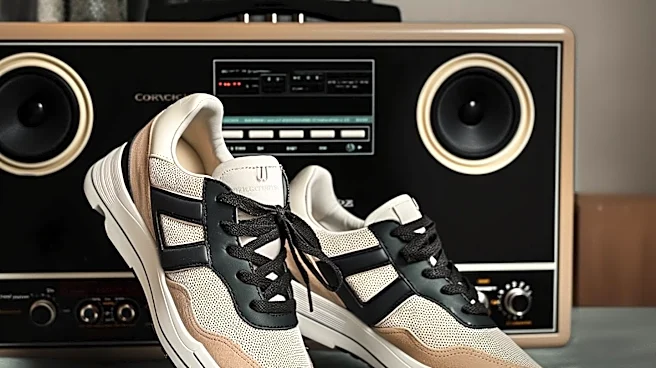
The biggest secret of American casual is that it isn't one style; it's dozens of highly specific, sub-cultural uniforms masquerading as one. The 'casual' outfit of a Silicon Valley tech CEO (hoodie and premium sneakers) sends a completely different message than the 'casual' outfit of a suburban mom in athleisure, a Brooklyn artist in heritage workwear, or a Southern fraternity brother in pastels. Each of these looks is a costume for a specific tribe, loaded with social signals about one's profession, lifestyle, and values. A first-time shopper, lacking this deep cultural context, sees only 'jeans and a T-shirt.' They miss the subtle cues that differentiate a $300 'basics' T-shirt from a $15 one, or why one brand of outdoor gear is considered chic while another is purely functional. This system of unwritten rules is what truly trips people up; it’s a language they haven't yet learned to speak.