



The Case for Eating at the Game
Let’s start with the obvious: eating inside the stadium is incredibly convenient. You’re already there, soaking up the electric atmosphere, and don’t have to worry about missing a single moment of the pre-game hype or the opening whistle. But beyond convenience,
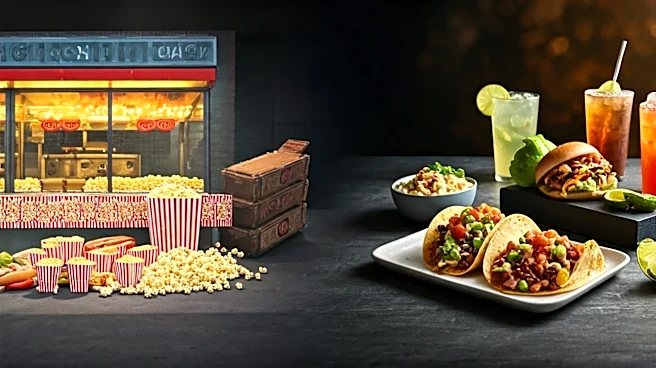
stadium food has undergone a revolution. Gone are the days of just lukewarm hot dogs and stale popcorn. Modern American stadiums, including many of the 2026 World Cup venues, have embraced gourmet offerings. You might find anything from a BBQ brisket sandwich at Kansas City's Arrowhead Stadium to poke bowls at Seattle's Lumen Field. These venues now often feature celebrity chefs and options that reflect local flavors, like the 'Birria Fry Bomb' in Philadelphia or a 'Cowboy Cheesesteak' in Dallas. It’s an experience in itself, a shared ritual with 70,000 other fans. Grabbing a wildly inventive, if overpriced, snack is part of the modern American sporting spectacle.
The Argument for Exploring the City
On the other side of the debate is the undeniable allure of the host city’s culinary scene. The United States is a mosaic of food cultures, and each World Cup city offers a unique taste. Why have a generic burger when you can have a legendary cheesesteak from a multi-generational shop in Philadelphia? Or why settle for stadium barbecue in Kansas City when the entire town is a pilgrimage site for smoked meats, from burnt ends to the iconic Z-Man sandwich? Exploring the city’s food is about more than just a meal; it's about experiencing the local culture. From the Mission-style burritos of the San Francisco Bay Area to the Korean-inspired dishes of Los Angeles, city food offers authenticity, variety, and a story. It’s where you’ll find the hidden gems, the family-run institutions, and the true flavor of a place.
The Cost Factor: Wallet vs. Convenience
There’s no polite way to say it: stadium food is expensive. Concessions are a huge revenue driver for teams and venues, and prices reflect a captive audience. A beer and a hot dog can easily set you back more than a full meal at a local diner. While some stadiums, like Atlanta's, have experimented with 'fan-first' pricing with items for just a few dollars, most venues still charge a significant premium. A beer can average nearly $10, with some stadiums charging much more. In contrast, a city offers a full spectrum of price points. You can grab a world-class taco from a street cart for a few bucks, enjoy a casual sit-down meal, or splurge on a fine dining experience. For travelers on a budget, or those simply wanting better value, the city is the clear winner. Pre-game tailgating, a classic American tradition, offers a middle ground, allowing fans to cook their own food in the parking lot for a fraction of the cost.
How to Get the Best of Both Worlds
Ultimately, this isn’t an either/or proposition. The smartest strategy for a soccer cup traveler is a hybrid approach. Don’t deny yourself the in-stadium experience entirely. It's part of the fun to grab a branded cup of beer or try that one bizarre, headline-grabbing snack, like a hot dog wrapped in cotton candy or a pizza burger. But save your main meals for the city. Plan your culinary adventures just as you plan your match schedule. Research the iconic dishes of each host city you visit. Make a reservation at that can't-miss BBQ joint or map out a taco crawl for the day after the game. This approach lets you enjoy the convenience and festive atmosphere of stadium food while also diving deep into the authentic, diverse, and more affordable food culture of the cities you’re visiting. You get the full experience: the roar of the crowd inside and the true taste of America outside.