





Not All Silk Is Created Equal
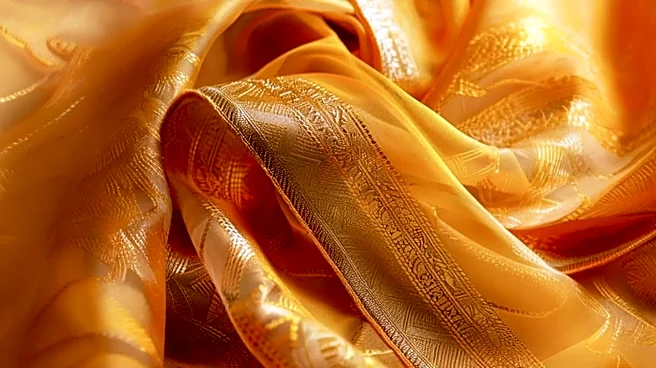
The first thing to understand is that “silk” is a broad category. The term describes the natural protein fiber, but how it's woven dramatically changes its look and feel. A high-shine charmeuse, with its satin weave, is fluid and glamorous, perfect for
a slinky slip dress. In contrast, a crepe de chine has a subtle, pebbled texture and a more muted, matte finish, giving it an understated elegance ideal for blouses and day dresses. Then there’s habotai, a lightweight, plain-weave silk often called “China silk.” It’s softer and less expensive but also less durable, making it more suitable for linings than as the main event. A dress made from a flimsy, low-grade habotai will lack the rich drape and substance of one made from a high-quality crepe, even if both are technically 100% silk.
The Momme Count Is Too Low
Think of “momme” (pronounced “mommy” and abbreviated as mm) as silk’s version of thread count. It’s a Japanese unit of weight that measures the fabric's density. A higher momme number means more silk is used in the weave, resulting in a heavier, more opaque, and more durable fabric. Lightweight silks used for scarves might be as low as 8 momme. For a dress, anything under 19 momme can feel thin, crease easily, and lack that luxurious, weighty drape. While a low momme isn't always bad—a sheer blouse might call for it—in a garment like a slip dress, it can look flimsy and see-through. For optimal quality, durability, and a truly luxe feel, look for a momme count between 19 and 25. A dress in this range will hang beautifully and feel substantial, not fragile.
The Sheen Is Off
One of the biggest giveaways of lower-quality silk—or a synthetic impostor—is the shine. Real, high-quality silk has a complex, pearlescent luster, not a flat, plastic-like gloss. It should shimmer and catch the light in different ways as the fabric moves. Many cheap garments use polyester satin, which has a garish, uniform shine that can look harsh and artificial. Even with real silk, an overly shiny finish can sometimes cheapen the look. Matte or semi-matte weaves like crepe de chine often read as more sophisticated and modern than their high-gloss counterparts, which can sometimes veer into lingerie territory if not styled carefully.
Construction Is a Dead Giveaway
Even the most glorious 25-momme mulberry silk can be ruined by poor construction. Before you buy any garment, turn it inside out. Are the seams neat, straight, and flat, or are they puckered and uneven? High-quality garments will often feature French seams or other finished edges that conceal raw fabric, preventing fraying and adding durability. Cheaply made pieces often have messy, serged edges with loose threads. Also, check the cut. The most beautiful silk dresses are often cut on the bias (diagonally across the fabric's grain), which allows the material to drape and cling to the body in the most flattering way. A straight-cut dress can look boxy and stiff, failing to take advantage of silk’s natural fluidity.
The Details Don't Add Up
Finally, look at the small things. Are the buttons cheap plastic, or are they mother-of-pearl or self-covered in the same silk fabric? Is the zipper flimsy and poorly inserted? A quality garment considers every component. The lining is another crucial clue. An unlined dress made of a lighter-weight silk might feel insubstantial and cling uncomfortably. A well-made dress will often have a full or partial lining, sometimes made of a lighter silk like habotai, which helps the dress hang properly and feel better against the skin. Similarly, look at the dye job. The color should be rich and even, without streaks or blotchy areas, which can indicate that lower-quality silk was used.