






The Peacock’s Stage
First, let's set the scene. Pitti Uomo is a menswear trade show, but for style enthusiasts, the real show happens outside on the sun-drenched piazza. This is where photographers swarm to capture the 'Pitti Peacocks'—editors, buyers, and influencers dressed
in their sartorial finest. Unlike the logo-drenched spectacles of Milan or Paris Fashion Week, where head-to-toe branding is common, Pitti has a different currency. Here, wearing a massive logo on your chest is like shouting in a library. It’s a rookie move that shows you misunderstand the entire point of the gathering. The goal isn't to be a walking billboard for a global conglomerate; it's to display your personal taste and deep knowledge of clothing.
A Language of Fit and Fabric
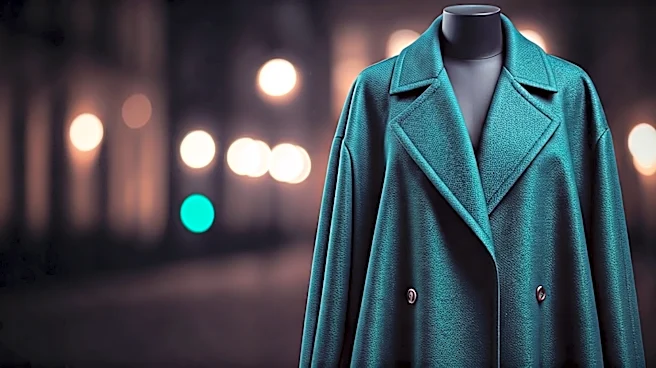
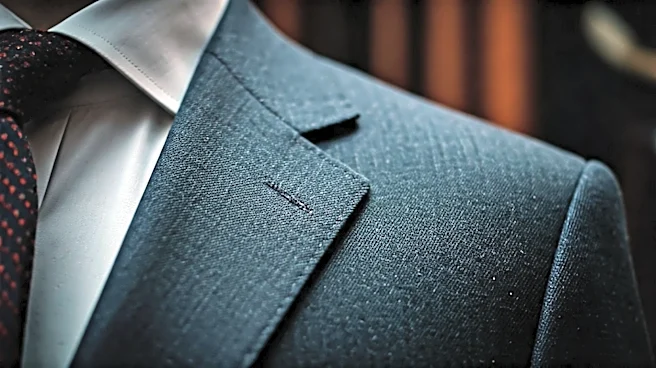
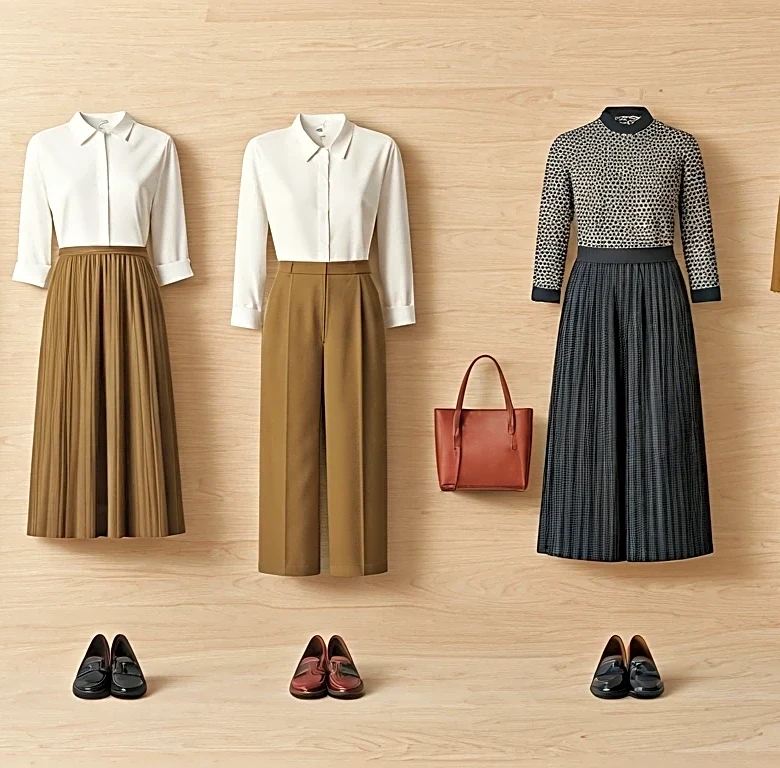
For the men of Pitti, style is a nuanced conversation, and logos are blunt, unsophisticated instruments. The real dialogue happens in the details. Is that jacket shoulder unstructured and 'spalla camicia,' giving it a soft, Neapolitan drape? Is that linen shirt perfectly rumpled, not sloppily creased? Are those trousers cut with a high-rise and a sharp pleat that elongates the leg? These are the signals that matter. A perfectly tailored suit in a unique fabric from a little-known mill speaks volumes more than a recognizable monogram. The flex isn't the brand; it's the fit, the fabric's texture, and the way the garment hangs. A logo simply distracts from this masterclass in construction and proportion.
The Art of 'Sprezzatura'
This anti-logo attitude is rooted in a core Italian principle: 'sprezzatura.' Coined in the 16th century, the term describes a kind of studied carelessness—the art of making something difficult look effortless. It's leaving one monk-strap buckle undone, wearing a classic watch over your shirt cuff, or tucking your tie just so. It telegraphs confidence. A giant, billboard-sized logo is the antithesis of sprezzatura. It’s try-hard. It screams, 'Look at me! Look what I spent!' True elegance, in the Pitti context, is about understatement. It’s a quiet confidence that doesn't need external validation from a brand name. The effort is in sourcing the perfect piece and knowing how to wear it, not in buying the most hyped item of the season.
From Consumer to Connoisseur
Ultimately, the avoidance of logos is a powerful sorting mechanism. It separates the passive consumer from the active connoisseur. Anyone with enough money can buy a Gucci belt or a Balenciaga hoodie. It requires no knowledge, only cash. But commissioning a bespoke jacket from a Florentine tailor or finding a pair of handmade shoes from a small workshop in Northampton, England—that requires research, patience, and a refined palate. It signals that you are part of an inner circle. It's the ultimate 'if you know, you know' (IYKYK) move. The other well-dressed men at Pitti won't recognize the logo, because there isn't one. Instead, they'll recognize the hand-stitched buttonhole or the unique patina on the leather, and that's a far more meaningful form of approval.
Investing in Craft, Not Hype
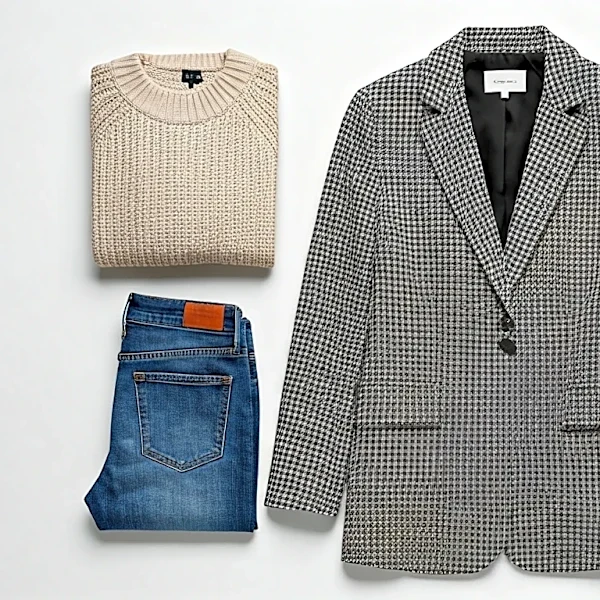
By eschewing logos, these men are placing their faith in something more enduring: craftsmanship. They're celebrating the artisan, not the marketing department. Their style is built on pieces that will look just as good, if not better, in ten years. A logo-heavy garment is tied to a specific season and a fleeting trend; its value is perishable. A beautifully made, unbranded blazer or a pair of Goodyear-welted boots are assets. This philosophy treats clothing not as disposable fashion but as a collection of timeless, functional art. It's a quieter, more sustainable, and, to its adherents, a far more sophisticated approach to luxury. It’s not about the name on the label, but the hands that made the garment.