




1. Frame It Like Fine Art
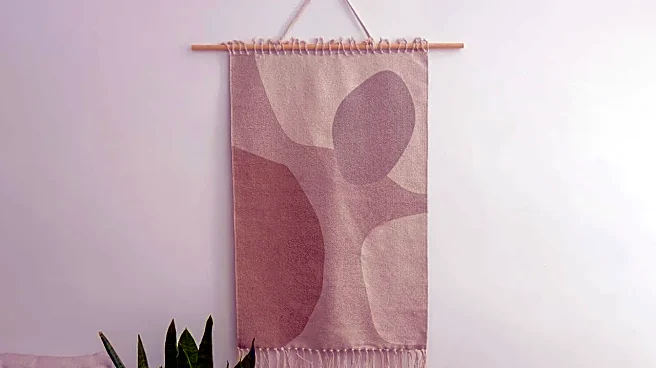
The fastest way to elevate a textile is to treat it like a serious piece of art. Instead of thumbtacks or clips that can feel temporary and collegiate, consider professional framing. A simple, modern box frame or a floating acrylic case can transform
a woven piece or a vintage quilt, giving it structure and intention. This method not only protects the fabric from dust and damage but also signals that the piece is a deliberate part of your decor. For a more traditional tapestry, a decorative rod with finials can add a sense of history and importance, preventing it from looking like a mere wall covering. The frame provides a clean border, separating the textile from the wall and allowing its texture and color to command attention.
2. Give It a Leading Role
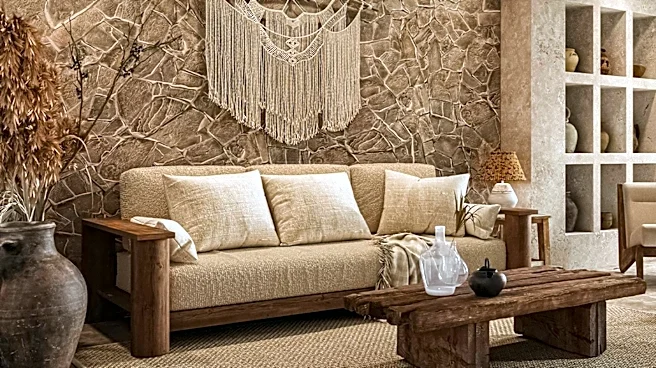
Textile pieces, especially large ones, have enough visual weight to be the focal point of a room. To avoid a cluttered feel, give your piece the space it deserves. Hang it on a prominent wall—like behind a sofa, above a bed as a makeshift headboard, or in an entryway—where it can be appreciated without competing with other elements. Follow standard art-hanging rules: the center of the piece should be at about eye level, roughly 57-60 inches from the floor. When placing it over furniture, leave a gap of about 6-8 inches above the piece to create a visual connection. The artwork should also be about two-thirds the width of the furniture below it to maintain a sense of balance. By giving it proper placement and lighting, you treat it as the star of the show.
3. Mix It With Other Media
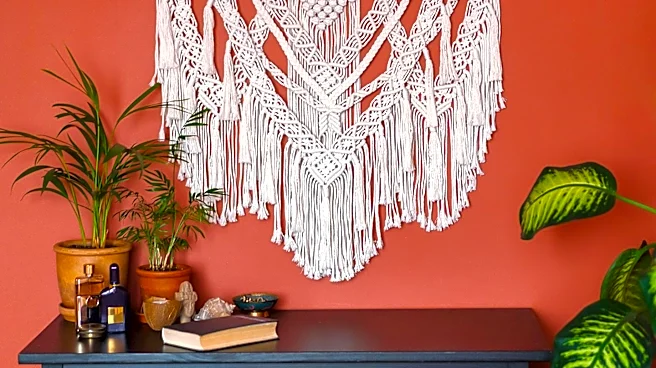
To prevent your textile from feeling like a one-off theme, integrate it into a larger gallery wall. Mixing media is a sophisticated strategy that makes a collection feel curated over time. Pair your macrame hanging or framed fabric with oil paintings, line drawings, photographs, and even small sculptures. The key is to find a common thread. This could be a complementary color palette, a similar frame style, or a thematic link. Lay everything out on the floor first to perfect the arrangement before putting any nails in the wall. By surrounding the textile with different textures and forms, it becomes part of a dynamic, personal story rather than a lone, kitschy statement.
4. Play with Scale and Placement
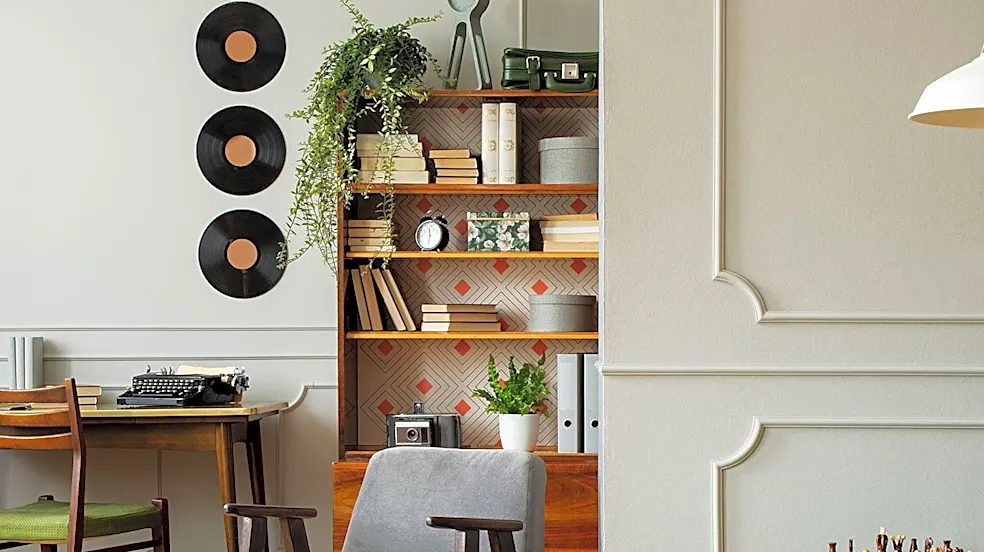
Think beyond the obvious large wall. A smaller textile can have a huge impact in an unexpected place. Consider hanging a narrow weaving in a hallway to add vertical interest, or placing a small, framed quilt block on a bookshelf where it can be discovered. Draping a smaller textile over a floating shelf or the back of a decorative ladder adds a layer of softness and texture without committing to wall mounting. Conversely, an oversized tapestry can create incredible drama and coziness in a room with high ceilings. The goal is to break from predictable placements. This playful approach to scale and location makes the styling feel fresh, intentional, and anything but costumed.
5. Contrast with Modern Furnishings
The context in which you place your textile art is just as important as the piece itself. A rustic, hand-woven tapestry can look dated in a room filled with equally rustic furniture. However, place that same weaving above a sleek, minimalist console table or a sharp, modern sofa, and you create a powerful and stylish contrast. The juxtaposition of old and new, soft and hard, or ornate and simple is a hallmark of confident, contemporary design. The clean lines of modern furniture provide a grounding counterpoint to the organic, textural quality of the textile, making the entire vignette feel deliberate and high-end. This tension between styles is what keeps the piece from pulling the room into a single, overwhelming theme.