

The Visionary Who Dressed Women in Emotion
Before she built a global empire, Jeanne Lanvin was a milliner in Paris who started designing clothes for her young daughter, Marguerite. Other wealthy mothers took notice of the exquisite, yet comfortable, garments and soon wanted them for themselves
and their children. In 1909, the House of Lanvin formally expanded into womenswear, bringing a new sensibility to fashion. While contemporaries like Chanel were stripping fashion down to stark, boyish lines, Lanvin offered a softer, more romantic alternative. She wasn't just making clothes; she was creating a lifestyle. Her work was characterized by femininity, elegance, and modernity, using innovative decorative techniques and a deep understanding of color—she even opened her own dye factory in 1923 to achieve the perfect shades, including her iconic “Lanvin blue.”
Mastering the Art of the Drape
In an era of increasingly structured and sometimes rigid fashion, Lanvin’s mastery of draping was a revelation. While she was also an expert tailor, it was her ability to work with the fabric itself, allowing it to move and fall with a natural grace, that set her apart. She was known for her bias-cut dresses, which created an effortless drape, and her famous “robe de style.” This signature silhouette, featuring a fitted bodice and a full, billowy skirt, was an elegant counterpoint to the straight, anrogynous flapper dress of the 1920s. Inspired by 18th-century gowns but modernized with lighter fabrics and simpler construction, the robe de style was beloved for being both romantic and universally flattering. It was a testament to her philosophy of celebrating the female form through movement and fluidity rather than restriction.
The Echoes on Today’s Red Carpet
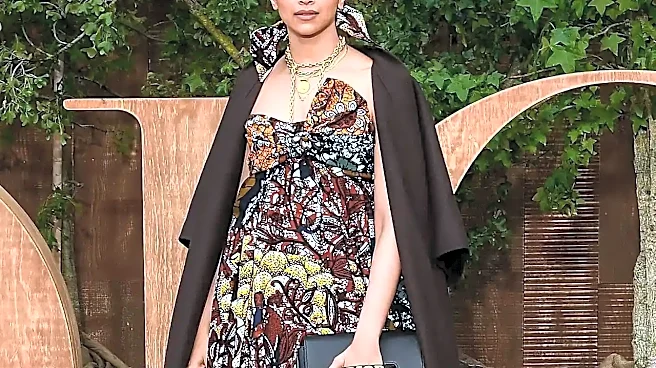
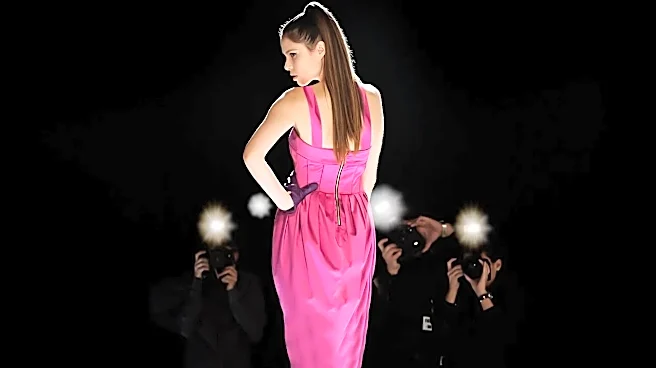
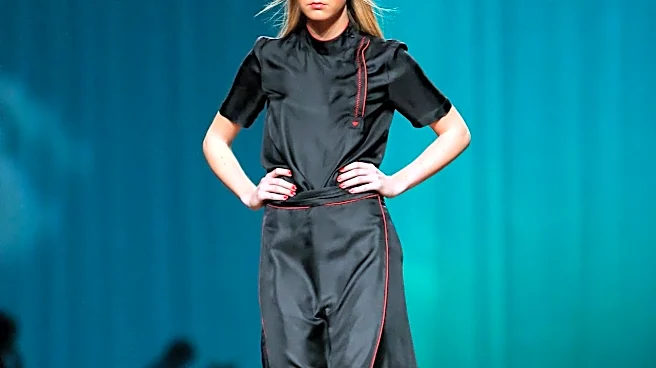
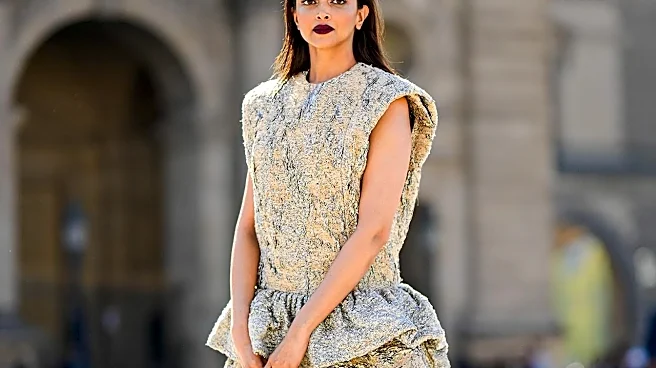
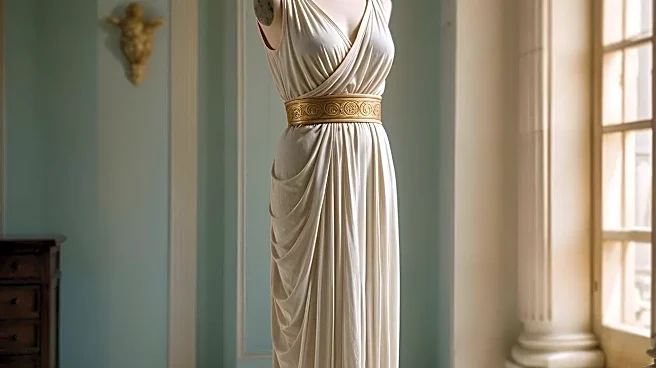
Look at any major awards show, and Lanvin’s ghost is everywhere. The Grecian-inspired gowns that are a perennial red carpet favorite—with their soft, fluid draping, asymmetrical necklines, and ethereal quality—are direct descendants of Lanvin's pioneering work. Designers from her own time to the present have been influenced by her approach. Christian Dior's famous New Look shared a DNA with Lanvin's full-skirted silhouettes. More recently, the late Alber Elbaz, who revived Lanvin to critical acclaim in the 2000s, masterfully reinterpreted the house's codes of draping, feminine silhouettes, and understated glamour for the modern woman. His collections were filled with the kind of effortlessly elegant draped dresses that paid direct tribute to Jeanne Lanvin's original vision.
A Legacy Beyond the Label
Lanvin's influence isn't just confined to the history of her own brand. Her core ideas—that elegance should be comfortable, that fabric should move with the body, and that femininity is a strength—have become fundamental principles of eveningwear design. When a modern designer chooses a soft, bias-cut silk that clings and flows in just the right way, they are speaking Lanvin's language. Her focus on intricate embellishments like beading and embroidery, applied with a light touch that never compromised the garment's construction, also set a standard for haute couture craftsmanship. By treating fashion as a holistic art form that included everything from childrenswear to perfume and interior design, she was the first to truly design a lifestyle, a concept now central to every major luxury brand.