

The Genius of 'Bad Taste'
At the heart of Miu Miu's success is Miuccia Prada, a designer who has long been fascinated with the idea of 'ugly chic.' Since launching Miu Miu in 1993 as a more experimental and personal counterpoint to Prada's minimalism, she has used the brand as a laboratory
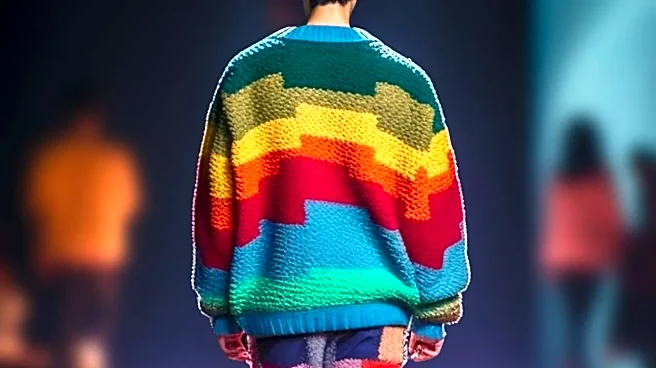
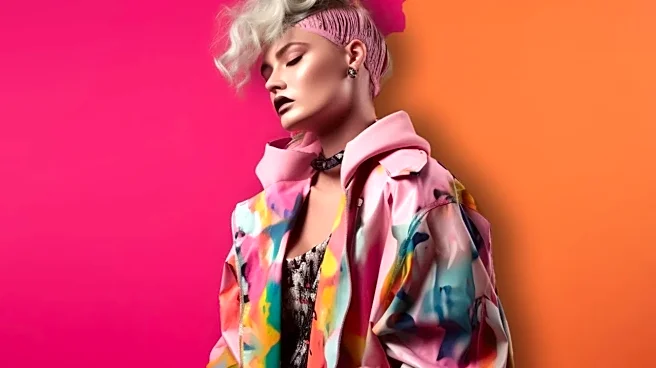
for challenging conventional beauty. Where other luxury houses chase a polished ideal, Miu Miu finds power in the imperfect. The styling is intentionally a little 'off'—a wrinkled shirt, messily layered knits, or a disheveled hairstyle suggests a woman who is too busy living and thinking to strive for perfection. This approach ignores the typical boundaries between elegant and trashy, creating a look that feels both intellectual and ironic. It’s a state of mind that transforms fashion from a set of rules into a playful mental exercise, inviting women to reconsider what they thought they knew about getting dressed.
Tuning Into the Cultural Zeitgeist
Miu Miu doesn't just create trends; it reflects a deeper cultural mood. The brand’s viral hits—from ballet flats to its 'librarian-core' aesthetic—tap into a collective nostalgia for different eras, particularly the late '90s and Y2K. These looks resonate with a Generation Z audience that communicates through aesthetic 'cores' and embraces vintage references. By reviving styles like geek-chic glasses and preppy cardigans, Miu Miu offers a sense of comfort and familiarity, but with a subversive twist. In a world saturated with hyper-polished online personas, the brand's embrace of the 'nerdy' or 'awkward' feels like a refreshing rebellion against the pressure to be perfect. It suggests that intelligence and quirkiness are the new cool, making space for an identity that is thoughtful and a little weird.
The Power of Calculated Repetition
An 'awkward' look only becomes a trend once people see it enough to desire it, and Miu Miu has mastered this process. The journey starts on the runway, where a provocative idea—like the nearly non-existent mini skirt from Spring/Summer 2022—is introduced. The look is then strategically placed on a diverse cast of culturally relevant figures, from established actresses like Gillian Anderson and Chloë Sevigny to Gen Z stars and K-pop idols. This isn't just about celebrity endorsement; it's about casting characters who embody the brand's complex identity. Before long, the look proliferates across social media, where it's debated, copied, and reinterpreted until it feels normal. What once seemed strange becomes the new uniform for the fashion-conscious, proving that context and repetition can turn nearly any idea into a commercial success.
A Uniform for the Individualist
Miu Miu often plays with the concept of uniforms—the schoolgirl, the librarian, the office worker—and then deconstructs them. A classic cardigan is layered strangely, a pencil skirt is rendered in sheer fabric, or preppy staples are paired with bejeweled underwear. This speaks to a fundamental contradiction in modern style: the desire to belong to a group while still expressing individuality. The Miu Miu 'girl' is a recognizable archetype, yet she is defined by her contradictions—she is innocent but mischievous, intellectual but playful, put-together but unhinged. By providing the building blocks of a uniform and then encouraging the wearer to mess them up, the brand empowers women to be part of a tribe without sacrificing their personality. It’s a clever strategy that makes rebellion feel accessible and chic.