







First, What Is a Content House?
Think of it like a reality show, but for social media. A content house is a physical space, often a lavish mansion, where a group of digital creators live and work together. The model was perfected in the TikTok era with groups like the Hype House and Sway
House, which brought young, high-energy influencers under one roof. The goal is constant, collaborative creation. By appearing in each other’s videos, they cross-pollinate their audiences, helping everyone grow faster. For a monthly rent that can climb into the tens of thousands of dollars, these houses serve as production studios, networking hubs, and marketing assets all in one. Brands and talent agencies often foot the bill, seeing the houses as always-on marketing campaigns that churn out huge volumes of content.
Why the 2026 World Cup Is a Perfect Storm
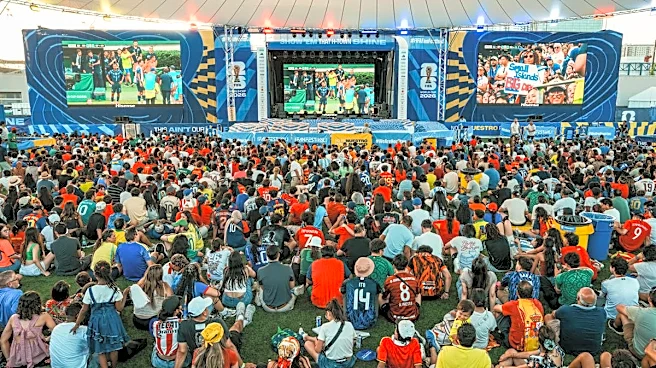
The 2026 World Cup is a uniquely fertile ground for this trend. First, it’s happening right here. Unlike tournaments in Qatar or Russia, this World Cup unfolds across 11 major U.S. cities, from Los Angeles to New York. This is the home turf of the creator economy, a multi-billion dollar industry where American influencers have set the trends. Second, the scale is unprecedented. It's the first time 48 teams will compete, meaning more games, more storylines, and a month-long content marathon. The geographic spread also creates a logistical challenge for traditional media but an opportunity for creators. Imagine a nimble crew of influencers driving from a match in Dallas to a fan fest in Kansas City, documenting the entire experience for millions of followers. They can provide an authentic, on-the-ground perspective that official broadcasts, focused on the game itself, often miss.
The Playbook for a Soccer Content House
So what would a 2026 soccer content house actually look like? Picture a rented mansion in a host city like Miami or Dallas, sponsored by a major brand—a sneaker company, a beverage, a tech giant. Inside, you have a curated mix of creators: a few soccer-fluent commentators who can break down tactics, some charismatic vloggers capturing the fan experience, and maybe even a few ex-players or current athletes. Their days would be a mix of attending matches, hosting epic watch parties, creating viral challenges, and collaborating on post-game analysis. They wouldn't be competing with ESPN; they'd be creating a parallel universe of content that feels more personal and interactive. Their output would flood TikTok, YouTube, and Instagram with everything from emotional fan reactions to behind-the-scenes glimpses of the host cities, offering a raw, unfiltered view of the world’s biggest sporting spectacle.
The Triple Win: Creators, Brands, and Fans
This model represents a potential win for everyone involved. For creators, it offers unparalleled access, a massive and engaged audience, and the chance to collaborate with other top talent. For brands, it’s a golden ticket. Sponsoring a house is a way to bypass the saturated and expensive official sponsorship landscape and embed their products authentically into the cultural conversation around the tournament. Instead of a single 30-second ad, they get hundreds of pieces of content seen by millions of highly engaged young fans. And for fans, it offers a new way to experience the event. While the main broadcast delivers the on-field action, the content house would deliver the culture, the passion, and the community that makes the World Cup so special. It's the difference between watching the party on TV and feeling like you're actually there.