





The Art of the 'Toyetic' Bad Guy
In the world of blockbuster filmmaking, there’s a magic word you’ll hear in marketing and design meetings: ‘toyetic.’. First coined in the 1970s, it describes a character or concept that seems perfectly designed to be turned into a toy. For a villain,
this means having a distinct silhouette, memorable accessories, and a clear visual identity that a child can recognize from across the toy aisle. Think of Darth Vader’s helmet and lightsaber, a Decepticon’s ability to transform, or the unique weaponry of a Power Rangers foe. These elements aren't just creative flourishes; they're baked into the character's DNA from day one with an eye toward merchandising, where, as Mel Brooks famously joked in Spaceballs, the real money is made. A visually bland villain in a simple suit might be menacing, but they don't inspire the kind of play patterns that move products off shelves. The most successful family franchises understand this, building worlds populated by heroes and villains whose designs are inherently collectible.
The Villain as Narrative Engine
Beyond their commercial function, villains are the engines that drive a story’s plot, particularly its third act. Screenwriting is built on conflict, and the villain’s goal directly creates the central problem the hero must solve. Their scheme, whether it’s world domination or personal revenge, dictates the stakes and the scale of the finale. The third act is defined as the story's resolution, where the protagonist finally confronts the antagonist in a climactic showdown. Without a compelling threat, the hero has nothing to overcome, and the story falls flat. The villain’s power and ambition provide the framework for the spectacular set pieces audiences expect from a tentpole film, forcing the hero to grow and confront their own flaws in order to win.
When Commerce and Creativity Converge
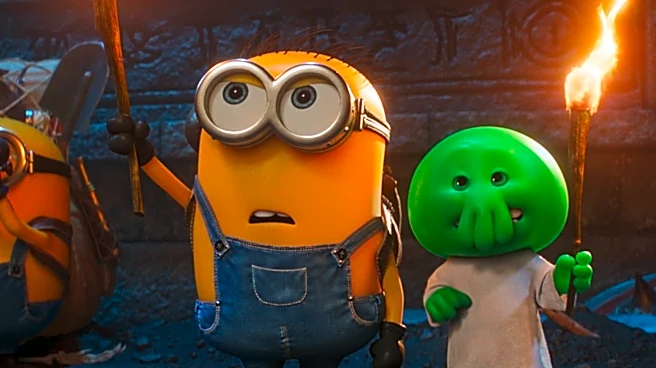
This is where the headline’s two ideas brilliantly merge. The very things that make a villain ‘toyetic’ are often the same things that make them a great narrative device. A villain with a massive, visually interesting spaceship offers both a cool toy and a formidable location for a final battle. An antagonist who transforms into a giant monster creates a must-have action figure and a powerful final boss for the hero to fight. The design elements that make a character stand out on a poster—a unique mask, glowing eyes, or powerful armor—also make them more memorable and menacing on screen. Consider the Minions, whose simple, marketable design launched a billion-dollar merchandising empire that arguably eclipsed the original film's hero. Their success proves that characters designed for broad appeal can become the main event. In this model, the commercial need for a sellable villain pushes creators to develop antagonists with clear, visual, and high-stakes goals, which in turn leads to a more satisfying and explosive third act.
The Risk of Getting It Wrong
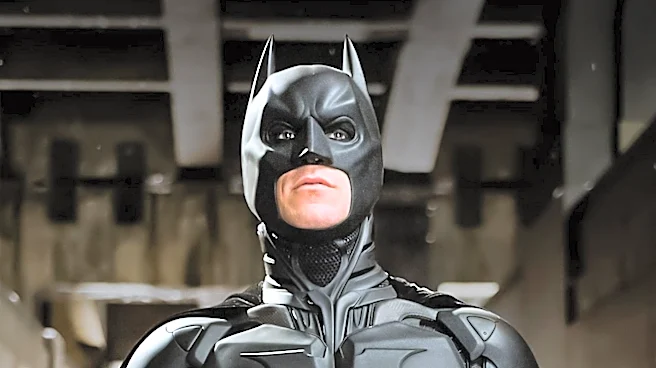
When a film gets this balance wrong, the entire production can suffer. A villain who is narratively weak, with a flat motivation or a generic plan, often fails to create compelling stakes, leading to a forgettable climax. Likewise, an antagonist who isn't visually interesting or distinct can fade into the background, generating little audience enthusiasm or ancillary revenue. Some antagonists in darker or more adult-oriented comic book films, for example, have occasionally been criticized for being too plain or not living up to their vibrant source material. Without that 'pop,' the character fails to become an icon. A great family tentpole villain, by contrast, must be an icon in the making—someone who looks as good on a lunchbox as they do delivering a menacing monologue.