



An Arena of Sensory Overload
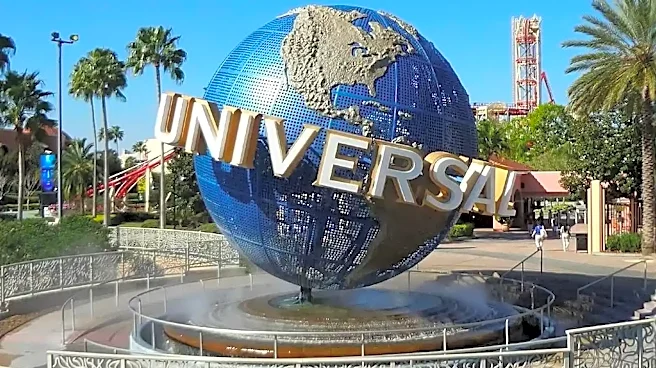
For the uninitiated, Halloween Horror Nights (HHN), held annually at Universal Studios parks, isn't your local hayride. Its main attractions are the “houses”—elaborate, movie-set-quality walk-through mazes themed to iconic horror films, TV shows, or twisted
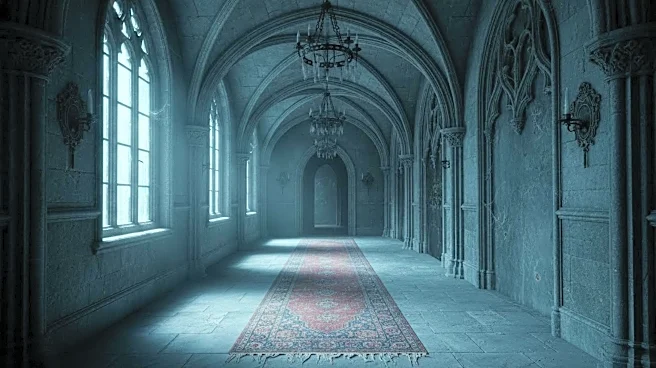
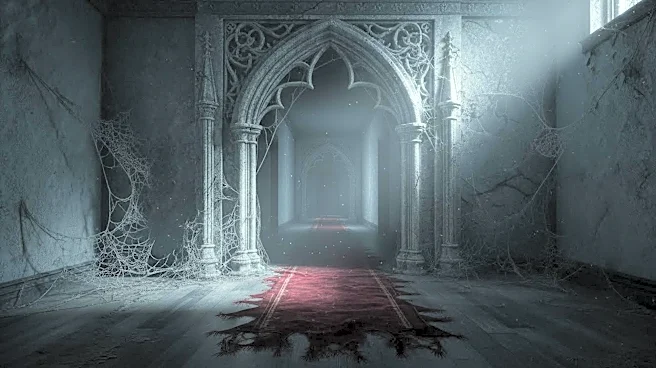
original concepts. You and a small group of strangers file through a dark, winding path as live actors, called “scareactors,” bring the terror to life. The experience is a full-blown sensory assault. Intricate sets recreate familiar scenes with stunning accuracy, fog machines obscure your vision, unsettling soundscapes keep you on edge, and distinct smells—from musty catacombs to antiseptic hospitals—complete the immersion. It’s all designed to overwhelm you, to pull you so far into its world that for three to four minutes, the fiction feels frighteningly real.
The All-Important Post-Mortem
The most unique part of the HHN experience happens the second you burst back into the relative safety of the park’s streets. Before you can even catch your breath, the conversation erupts. It’s an immediate, chaotic, and joyous explosion of shared analysis. “Did you see the monster that dropped from the ceiling?” “I completely missed that! I was looking at the actor in the corner.” “What was that weird clanking noise halfway through?” Everyone talks at once, comparing notes, recounting scares, and piecing together the narrative they just survived. Each person in the group experiences the house slightly differently. What one person saw, another missed. A scare that made you jump might have been completely unseen by the person in front of you. This variation transforms a passive walk-through into an active, collaborative puzzle. You’re not just experiencing it; you’re co-creating the memory of it in real-time.
An Antidote to Passive Consumption
This immediate debrief is a powerful antidote to the increasingly solitary nature of modern entertainment. We binge the same shows, but often alone on our own schedules. We might post a reaction on social media, but the asynchronous nature of a timeline can’t replicate the energy of a simultaneous, face-to-face debrief. Entertainment has become a largely passive activity, where we consume content and then move on. HHN breaks that mold entirely. It’s a forced communal event. The intensity of the experience creates an instant bond and an urgent need to share and validate what just happened. This kind of shared emotional journey—experiencing fear, relief, and awe together—is a powerful social glue that is becoming increasingly rare. It’s not just about watching something; it's about surviving it together.
More Than Just a Good Scare
The post-house conversation isn’t just about cataloging jump scares. For repeat visitors and devoted fans, it’s a detailed critique of artistry and execution. Discussions delve into the nuances of set design, the cleverness of a particular scare, the fidelity to the source material, or the originality of a new concept. It’s a form of live-action film criticism, where every member of the audience is also a critic. This depth is what gives the event its staying power and builds such a dedicated community. The houses are designed to be revisited, with layers of detail that are impossible to catch in a single pass. This encourages more conversation, more debate, and a deeper appreciation for the craft, elevating the experience from a simple thrill ride to a legitimate art form that demands to be discussed.