







The Architect of a New Sound
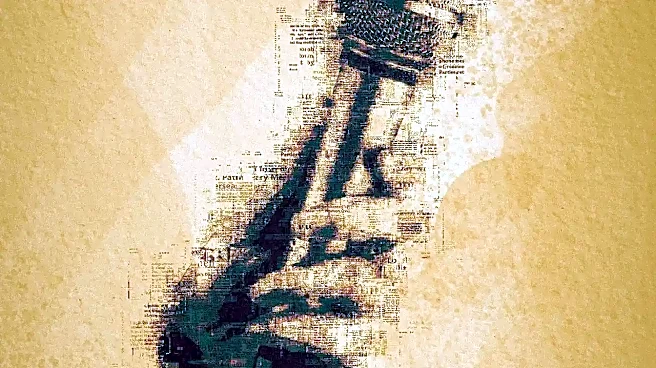
When Marion Walter Jacobs, known to the world as Little Walter, stepped up to the microphone, he wasn’t just playing the blues; he was reinventing it. Frustrated by being drowned out by electric guitars, he was a pioneer in cupping a microphone to his
harmonica and plugging it into an amplifier. But unlike others, he pushed the amps to their limits, intentionally creating distortion and a palette of tones never heard before. This sonic innovation was the heart of his artistry. He wasn't just a sideman blowing solos; he was an architect, building the very structure of his songs. In the studio, he was the de facto producer of his own material, meticulously arranging his music and directing his band, The Jukes, with a firm hand. He knew precisely the sound he wanted to achieve—a sound that was more modern, up-tempo, and rhythmically complex than much of the Chicago blues of the era.
The House That Chess Built
Little Walter’s creative rise coincided with the dominance of Chess Records, America’s most important blues label. Run by brothers Leonard and Phil Chess, the label was a hit factory, home to legends like Muddy Waters and Howlin' Wolf. A key figure in the Chess hit machine was Willie Dixon, the label's house songwriter, talent scout, session bassist, and producer. Dixon was a genius in his own right, penning timeless classics like “Hoochie Coochie Man” for Muddy Waters and “Spoonful” for Howlin' Wolf. The typical Chess process often involved Dixon working with artists, shaping their songs and arrangements for maximum commercial appeal. He was the man the label trusted to turn raw talent into polished, chart-topping records.
A Clash of Creative Wills
This is where the conflict at the heart of Little Walter’s story emerges. While he recorded many of Willie Dixon’s compositions, including the massive 1955 hit “My Babe,” Walter was fiercely independent in the studio. He was a star, and his instrumental “Juke” had been a number-one hit, giving him leverage that few other artists had. He resisted the standard label practice of having a producer like Dixon take the reins. Sources suggest Walter insisted on controlling his own sessions, picking the musicians and dictating the arrangements. Even when Chess preferred to use Walter on Muddy Waters’ sessions long after he’d left the band, it was because Walter’s sound was irreplaceable. The label may have wanted the consistent, reliable production process that Dixon offered, but Little Walter’s sessions were his own. In essence, the “producer” the label tried to replace was Little Walter himself, with his own ironclad vision, by pushing their trusted house arranger onto him.
The Sound of Independence
The proof is in the records. The wild, swinging, and technically dazzling sound of tracks like “Off the Wall,” “Roller Coaster,” and “Blues with a Feeling” don't sound like anything else from that era because they weren't made like anything else. They are the direct result of an artist seizing control of his own creative destiny. Walter’s playing was influenced by the phrasing of horn players, giving his harmonica a vocal, saxophone-like quality. This unique approach, combined with his pioneering use of amplification, was something only he could fully capture in the studio. Had he deferred to the standard production model, his revolutionary ideas might have been smoothed over, polished away in the service of a more conventional sound. Instead, his stubborn insistence on his own methods ensured his music remained raw, innovative, and entirely his own.