




An Antidote to Streaming Overload
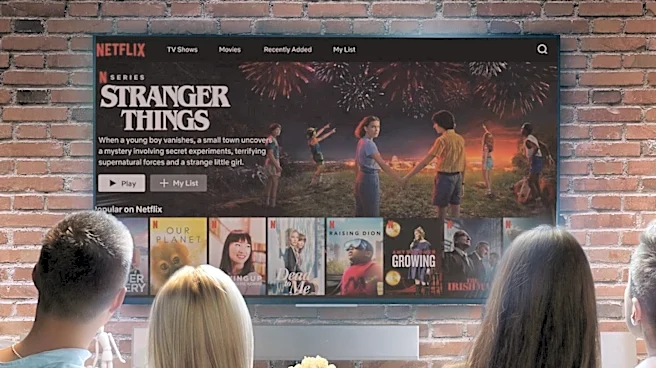
By 2026, the television landscape is starkly divided. Streaming accounts for nearly half of all TV viewing, while cable’s share has dwindled to around 20%. Viewers who once surfed channels now scroll through endless menus on Netflix, which still dominates
viewership rankings alongside YouTube. In this fragmented world, Taylor Sheridan’s programming offers something radically different: a unified brand. His shows, like the highly-rated Landman and the Yellowstone spinoffs Marshals and Dutton Ranch, provide a consistent tone, aesthetic, and thematic core. For viewers fatigued by choice, the Sheridan-verse is a reliable destination. It’s a network unto itself, built on cinematic visuals, adult-oriented drama, and a distinct point of view that’s largely absent from the broader, often blander, world of streaming content.
The Playbook: Star Power and Owned Worlds
Sheridan’s formula is deceptively simple but difficult to replicate. First, he attracts A-list talent—from Kevin Costner in the original Yellowstone to Billy Bob Thornton in Landman and Michelle Pfeiffer in 2026's The Madison. This brings prestige and an immediate marketing hook. Second, he builds interconnected worlds. Shows like Marshals and Dutton Ranch aren't just spinoffs; they are extensions of a central narrative, rewarding loyal fans and creating a content ecosystem that encourages viewers to watch everything. This strategy turns a single hit show into a durable franchise, a crucial asset for a cable programmer like Paramount. While streaming services spend billions on a wide array of disparate content, Sheridan has focused on deepening a single, lucrative universe, creating a moat that competitors find difficult to cross.
Speaking to an Underserved Audience
Much has been written about how Yellowstone found a massive audience in America’s heartland, areas often overlooked by coastal-centric media. That remains a core pillar of the playbook's success in 2026. Sheridan’s stories, rooted in themes of legacy, land, and the clash between tradition and modernity, resonate with an older demographic that is more likely to still have a cable subscription. While streaming services chase younger, “cord-never” viewers, Sheridan’s shows provide a compelling reason for millions to stick with their cable packages. These viewers watch live, engage deeply, and demonstrate a loyalty that is the lifeblood of linear television. They transformed Yellowstone into the most-watched cable series in years, a feat its successors continue to emulate, proving that a dedicated audience is more valuable than a transient one.
A Blueprint, Not a Guarantee
Despite its proven success, the Sheridan model is not without risk, nor is it easily copied. The creator's singular vision means he is stretched thin, writing and directing many of the shows himself, which has led to criticisms of repetitive themes and character types. Furthermore, not every swing has been a home run; the procedural-style spinoff Marshals received a cooler reception from fans and critics who felt it strayed too far from the core formula. For other cable programmers, the challenge is immense. It requires finding a creator with a similarly distinct voice, securing a long-term commitment from a network, and having the patience to build a universe organically rather than chasing a quick hit. The playbook matters because it proves a massive, loyal audience can still be cultivated on cable, but it demands an all-in strategy that few have been willing or able to execute.