

The Great Halloween Debate
Spend enough time in any Halloween Horror Nights fan forum online, and you’ll see the argument unfold. One person will declare a house the “best of the year,” only for another to reply, “But was it scary?” This isn’t just semantics. In the world of high-concept
haunts, it’s a critical distinction that reveals what different people value in the experience. Some attendees are there for a visceral, adrenaline-dumping thrill ride. Others are there to appreciate the artistry, storytelling, and cinematic-level detail that Universal’s creative teams pour into their work. The debate acknowledges that a haunted house can be a masterclass in design without making you jump, or it can be a relentless scare-fest that lacks a deeper sense of place. For fans, evaluating a house requires two different scorecards.
The Artistry of a “Good” House
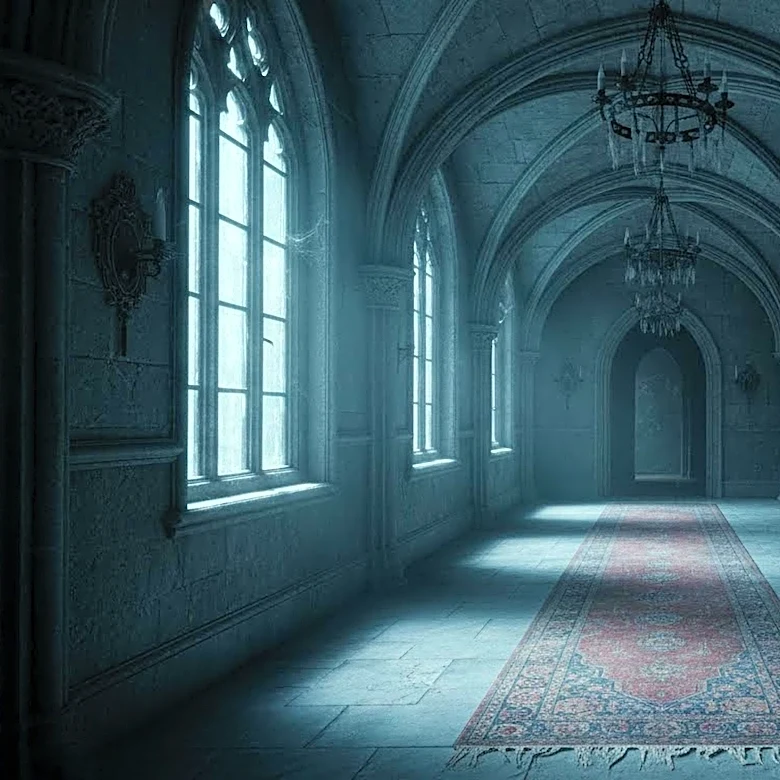
When a fan describes a house as “good,” they’re often talking about everything but the jump scares. This is the measure of craftsmanship. A “good” house is one with breathtaking sets that feel ripped from a movie, a clear and compelling story that unfolds from room to room, and a stunning attention to detail. It’s about the atmosphere created by lighting and sound, the complexity of the animatronics, and the originality of the concept itself. Think of a beautifully designed original house, like one set in a 19th-century Spanish manor, where the focus is on gothic romance and tragedy; fans might praise its beauty and narrative depth while noting it wasn’t particularly frightening. Or consider houses based on beloved, fun properties like Ghostbusters—they’re celebrated for their fidelity and entertainment value, not their scare factor. These houses are “good” because they are immersive, memorable, and demonstrate incredible technical and artistic skill.
The Science of a “Scary” House
“Scary,” on the other hand, is a much more primal metric. A scary house is all about the physiological reaction it provokes. It’s measured in heart-pounding moments and raw terror. This is where the effectiveness of the “scareactors” comes in—their timing, their intensity, and their ability to exploit your primal fears. A house might earn its “scary” reputation through claustrophobic corridors, disorienting strobe lights, or relentless pacing that leaves you no time to breathe. Houses based on intense slasher franchises like The Texas Chain Saw Massacre or Terrifier often fall into this category. They may not have the most intricate narrative, but they excel at creating a sense of overwhelming dread and delivering brutally effective jump scares. For fans who chase that feeling of pure fear, a house’s success is determined by one simple question: Did it make you scream?
The Holy Grail: When Good and Scary Collide
Of course, the most legendary houses in HHN history are the ones that masterfully blend both qualities. These are the experiences that fans talk about for years—the ones that are both artistically brilliant and psychologically terrifying. A house like The Haunting of Hill House is a perfect example, praised for its stunningly accurate sets that recreated the show's gothic beauty while also delivering profound, character-driven scares. Original concepts like Scarecrow: The Reaping achieved this by creating a highly detailed, atmospheric 1930s dust bowl farm that was also claustrophobic and packed with relentless scares. When a house tells a great story, builds an immersive world, and terrifies you from start to finish, it transcends the debate. It becomes more than just “good” or “scary”; it becomes an iconic piece of haunted entertainment.