







1. Respect the Distances
North America is vast, a fact many international visitors underestimate. A group stage itinerary could have your team playing in Guadalajara, Mexico, then Dallas, and then Vancouver, Canada. That’s not a simple train ride; it’s a multi-country, multi-time-zone
trek involving international flights. A flight from New York to Los Angeles alone is about six hours. Trying to attend matches in different regional hubs on back-to-back days is a recipe for exhaustion and missed connections. Use a map, plot the flight times, and accept that you can't be everywhere. Prioritize a region—East, Central, or West—to make your travel manageable.
2. Build In Buffer Days
The most common mistake is creating a schedule with no breathing room. A travel plan that looks perfect on paper—land in the morning, see the match, fly out the next day—will crumble under the weight of reality. FIFA security perimeters add significant time to stadium entry, often 30 to 60 minutes. Add in transport delays from crowded airports, finding your hotel, and navigating an unfamiliar city's transit system, and your tight schedule becomes a source of stress. Seasoned tournament travelers recommend arriving in a host city at least one full day before a match. This gives you time to deal with travel fatigue, pick up essentials, and soak in the local atmosphere without constantly watching the clock.
3. Embrace a 'Hub-and-Spoke' Strategy
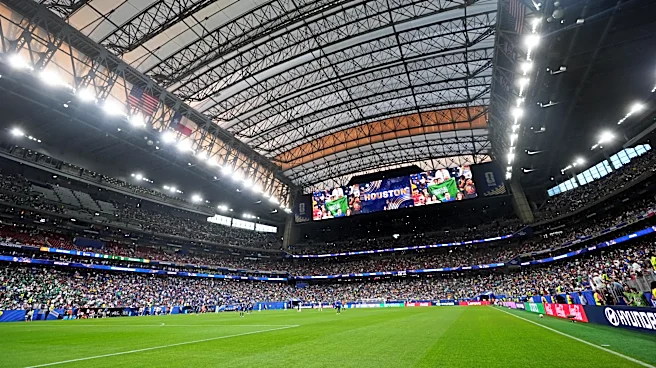
Instead of living out of a suitcase and changing hotels every two nights, consider anchoring yourself in a single, well-connected city for a week or more. This 'hub-and-spoke' model simplifies logistics. For example, you could base yourself in Dallas, which hosts nine matches, and from there take shorter trips to Houston or even Monterrey, Mexico. The same works for the East Coast, where cities like New York, Philadelphia, and Boston are connected by train. This approach saves money on constantly moving luggage, reduces the risk of booking errors, and provides a familiar home base to return to after a long match day.
4. Master Your Digital Toolkit
This World Cup is a digital-first event. Match tickets, stadium entry, and real-time schedule updates will live on your smartphone via the official FIFA app. This makes a reliable data connection non-negotiable. Navigating between three countries means dealing with different mobile networks and potentially high roaming charges. To avoid a connectivity nightmare, secure a regional eSIM plan that covers the U.S., Canada, and Mexico before you travel. Also, pack at least one portable power bank. A dead phone could mean you can’t show your ticket, call a rideshare, or find your way back to your hotel.
5. Plan Your Ground Transportation Obsessively
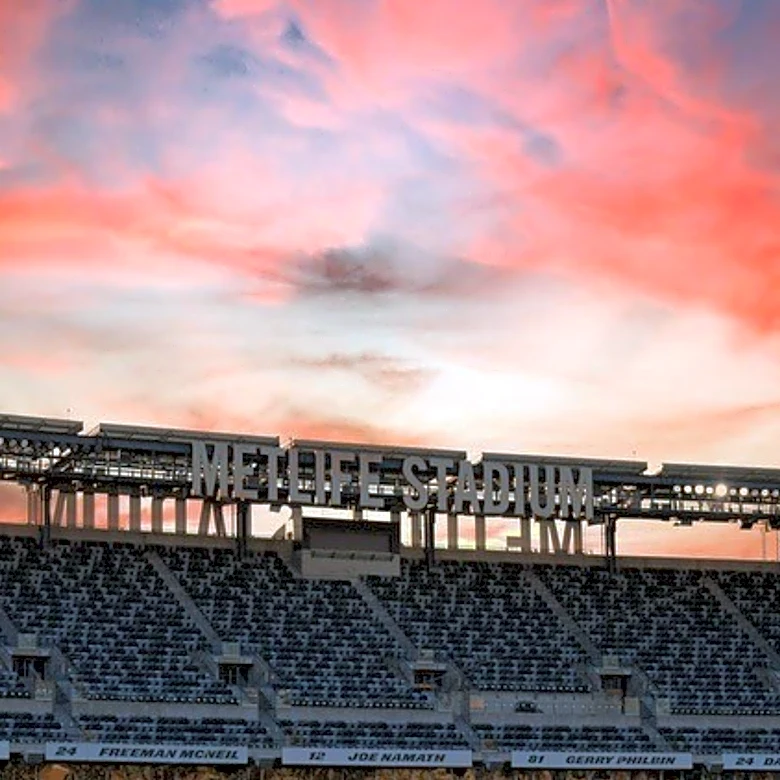
Getting to the stadium is often the most frustrating part of the day. Many venues, like AT&T Stadium in Dallas, have no direct public transit link. Others, like MetLife Stadium in New Jersey, are seeing transit prices spike for match days, and general parking is often non-existent. Rideshare services will have extreme surge pricing (3-10 times the normal rate) and designated drop-off zones that still require a shuttle or a long walk. Research each city's specific plan. Host cities are running special shuttle services from downtown hubs. Booking these in advance or knowing the public transit routes is essential. Don't assume you can just grab an Uber an hour before kickoff.
6. Look Beyond the Pitch
A schedule packed only with matches is a schedule for burnout. One of the greatest parts of a World Cup is experiencing the host cities themselves. Schedule downtime. Explore the FIFA Fan Festivals, which are free gatherings with big screens and entertainment. Eat at a restaurant two blocks away from the stadium to avoid inflated prices. A great trip mixes the intensity of the games with the pleasure of travel. By planning for moments of rest and exploration, you ensure the tournament feels like a once-in-a-lifetime adventure, not just a frantic series of logistical challenges.