






A Homecoming, Not a Conference
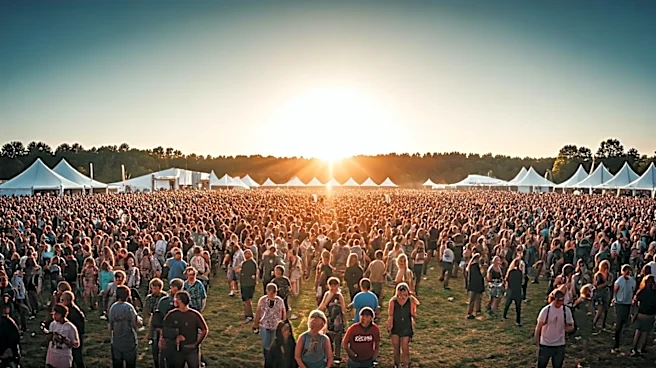
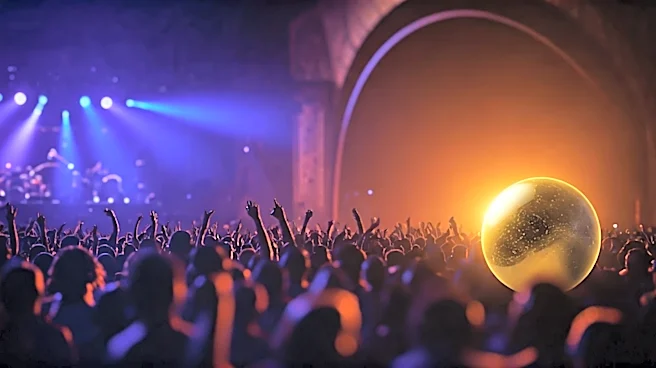
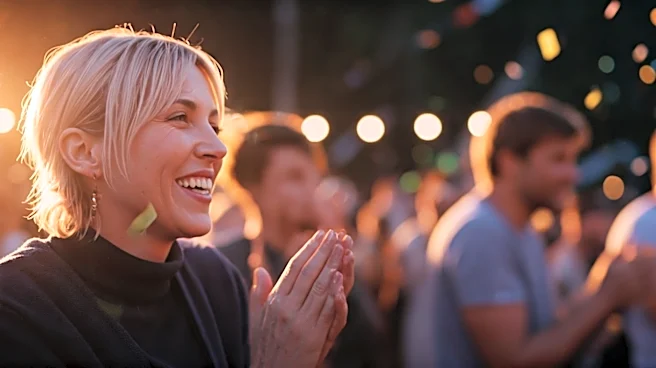
To understand the mistake, you first have to understand what Essence Festival is. Since 1995, it has been far more than a music festival; it's a cultural pilgrimage, often called a "party with a purpose." [3] It began as a celebration for Essence magazine
and has evolved into the largest showcase of African American culture and music in the U.S. [3, 7] The daytime events feature panels on everything from wealth-building and wellness to social justice, while the nights are filled with performances from music legends and current superstars. [4] For the hundreds of thousands who attend—the vast majority of them Black women—this is not an introduction to the culture. [10, 16] It's a family reunion. The audience possesses a deep, nuanced, and shared cultural knowledge. They don't need a beginner's guide to the artists, influencers, and conversations that define their world.
The Cringe of Cultural Translation
The "mistake" of the headline is the act of patronizing this expert audience. It happens when a brand sponsor creates an activation that feels like "Black Culture 101," using basic slang or over-explaining a concept that is already second nature to attendees. It’s the non-Black reporter who marvels at the display of joy and community as if it’s an exotic spectacle. It's the assumption that the audience needs to be told who Patti LaBelle is or why a conversation with Michelle Obama is significant. [5] This approach treats the audience as outsiders looking in, rather than the very center of the experience. It reveals a fundamental failure to see Black audiences as the default and instead frames them as a niche to be decoded. This lack of authentic understanding is a fast track to irrelevance, as studies repeatedly show Black consumers are savvy and react negatively to shallow representation. [12, 13]
Why It Keeps Happening
This error isn't born from malice, but from a persistent blind spot in media and marketing. For decades, the default perspective has been white, with other groups treated as extensions or special interest markets. [21] Many marketing teams and newsrooms lack the internal diversity to gut-check their own assumptions. As a result, they commission campaigns and coverage that feel like they were workshopped in a boardroom that is completely disconnected from the community it's trying to reach. Research has found that a majority of Black Americans feel news coverage about their communities is often negative and misses crucial context. [23] This dynamic is amplified at an event like Essence Fest. When brands and media don't do the work—hiring Black creators, listening to the community, and trusting the audience's intelligence—they default to a superficial, explanatory tone that rings hollow.
The High Cost of Getting It Wrong
Patronizing the Essence Festival audience isn't just a cultural faux pas; it's bad business. This is one of the most influential consumer groups in the nation, with a massive projected buying power. [20] They are trendsetters and conversation drivers. [20] When a brand gets it wrong, the feedback is swift and merciless, amplified across social media. The brand doesn't just lose a potential customer at the festival; they lose credibility with a much wider network. A 2022 Nielsen report noted a decline in Black viewers responding positively to brands advertising in "inclusive" content, suggesting a growing fatigue with inauthentic efforts. [14] To connect, the engagement has to be real. It means showing up consistently, not just during cultural tentpoles like Black History Month or Essence Fest. [15] It means participating in the culture, not just trying to sell to it.