
The Pop Star’s Polished Spectacle
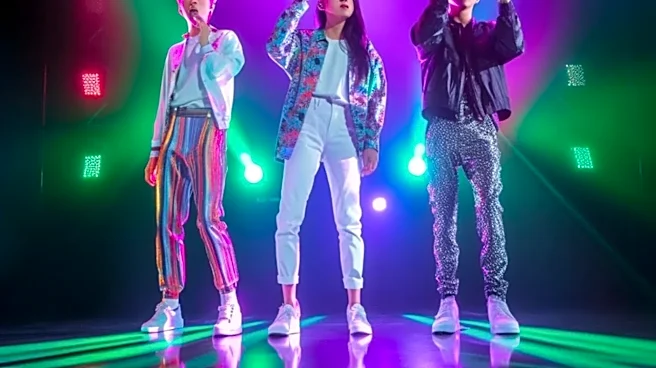
When a pop superstar headlines a festival, they aren't just performing; they are deploying a finely tuned entertainment missile. The goal is maximum impact with zero friction. Every second is accounted for, from the tightly choreographed dance breaks
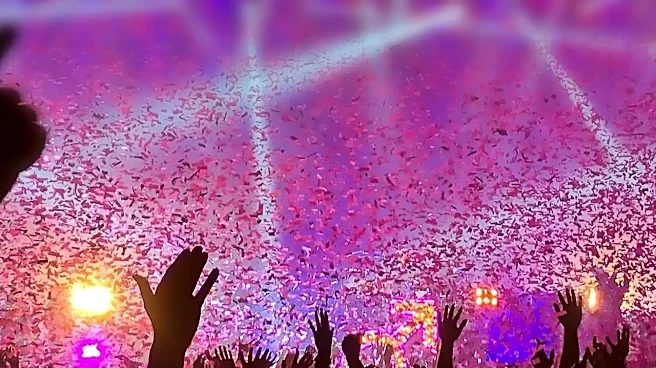
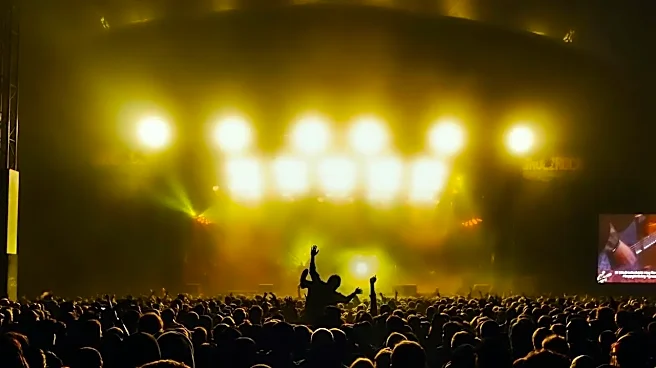
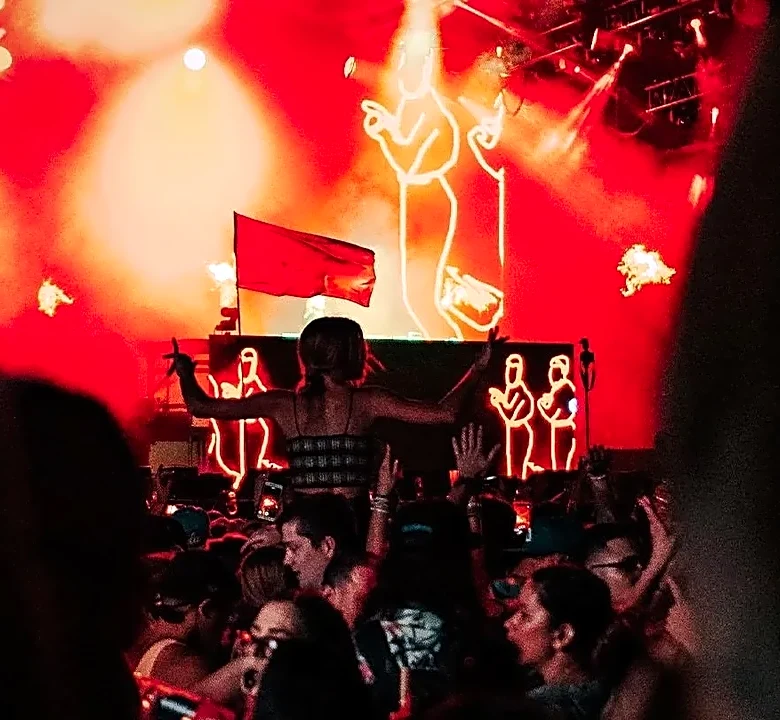
to the seamless transitions between hits. The setlist is often a condensed version of their arena tour, focusing exclusively on chart-toppers and radio anthems. This isn't a space for obscure B-sides. The reason is simple: the audience at a major festival is broad and diverse. Many are casual listeners who want to sing along to the songs they know. A pop set is a contract with this audience, promising a flawless, high-production experience identical to what they've seen on TV or TikTok. The show relies on immense technical production, including intricate lighting cues, massive LED screen visuals, and sometimes backing tracks to ensure vocal perfection during physically demanding routines. It’s a high-stakes performance designed for a massive crowd that is often watching on giant screens, where visual cohesion is just as important as the music itself.
The Rock Band’s Search for Lightning
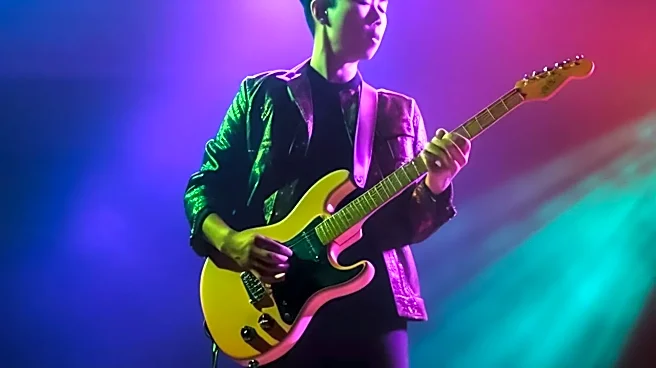
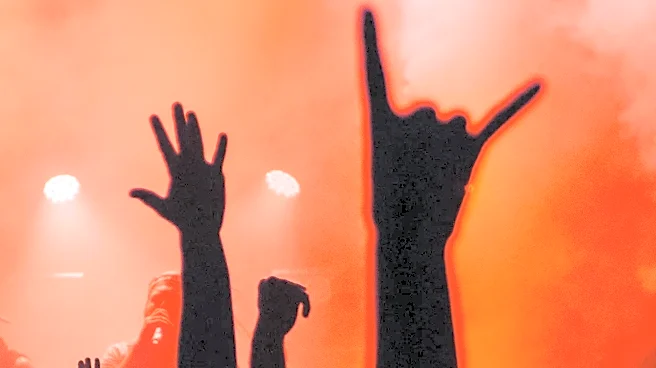
For a rock band, the festival stage is less about replication and more about capturing a unique moment in time. The ethos is built on spontaneity and the visceral energy of live musicianship. While they'll certainly play the hits, a rock band’s setlist is often a more fluid document. There’s room for an extended guitar solo, a surprise cover, or a deep cut thrown in for the dedicated fans who have followed them for years. Guest appearances from other musicians on the festival bill are common, adding to the feeling of a one-of-a-kind event. This approach values a certain kind of raw authenticity over polished perfection. A missed note or a cracked vocal is not a failure; it’s proof that the performance is real and happening in the moment. The legendary festival moments in rock history—from Jimi Hendrix’s fiery rendition of The Star-Spangled Banner at Woodstock to Queen's audience-commanding set at Live Aid—were born from this willingness to be loose and responsive to the crowd's energy.
A Tale of Two Audiences
Ultimately, the different approaches come down to serving different audience expectations. A pop superstar’s festival performance is often a key marketing stop on a global album cycle. They are there to reinforce their brand and deliver a consistent, high-quality product to the largest possible audience. The fan who loves the pristine music video wants to see that same level of perfection live. It’s about delivering on a promise of spectacle. Conversely, the rock festival crowd often prizes musicianship and a sense of community. They want to see the band play, to witness the interplay between members, and to feel like part of an exclusive experience that won't be repeated the next night. For these fans, the ideal show is one that feels a little unhinged, where the band is visibly feeding off the crowd's energy and anything could happen. The set is less of a product and more of a conversation.
Time, Hits, and Headliner Math
The practical constraints of a music festival also dictate these styles. Festival sets are notoriously tight on time, often shorter than a standalone concert. Pop artists, whose shows are built on complex technical cues, must stick to a rigid schedule. Their sets are constructed in medleys and abbreviated versions to pack as many hits as possible into their allotted 60 or 90 minutes. For a rock band, especially a legacy act with a sprawling catalog, the shorter time slot encourages a different kind of curation. They might lean into longer, jam-oriented versions of their classic songs, giving each one space to breathe rather than rushing through a checklist. It’s a choice between breadth and depth. The pop star offers a dazzling sampler platter of their entire career, while the rock band serves up a few multi-course meals.