
The Tyranny of the Schedule
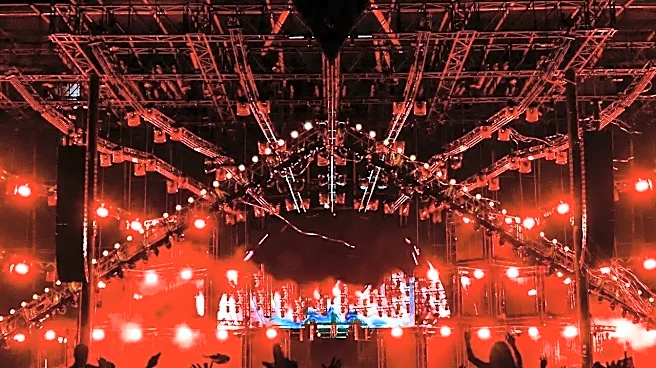
Think about any major music festival. Your experience is dictated by a grid of names and times. You plan your day, rush between stages, and stand in a massive crowd to watch performers you likely already
know and love. It’s a consumer experience: you bought a ticket to see specific acts. While fun, this model is built on fulfilling expectations, not creating new ones. The music is a product to be consumed. This structure often leads to a kind of festival FOMO (Fear Of Missing Out), where the pressure to see everything on your checklist can overshadow the potential for spontaneous moments. The biggest headliners draw the largest crowds, turning the shared experience into a battle for sightlines and space.
Music as a Gift, Not a Product
Burning Man operates on a different philosophical plane, guided by principles like “decommodification” and “gifting.” Nothing is for sale in Black Rock City except for coffee and ice. This includes music. There are no promoters, no ticket sales for specific shows, and no stages sponsored by beverage companies. Every single performance is a gift from the participants to the community. This fundamentally alters the dynamic. Artists, including world-famous DJs like Carl Cox or Diplo, often play unannounced sets for free, sometimes spending their own money to contribute their sound. They aren't there to promote an album; they are there as participants, sharing their art. This removes the commercial pressure and turns the entire city into a non-transactional soundscape.
The Playa's Thumping Heart: Camps and Art Cars
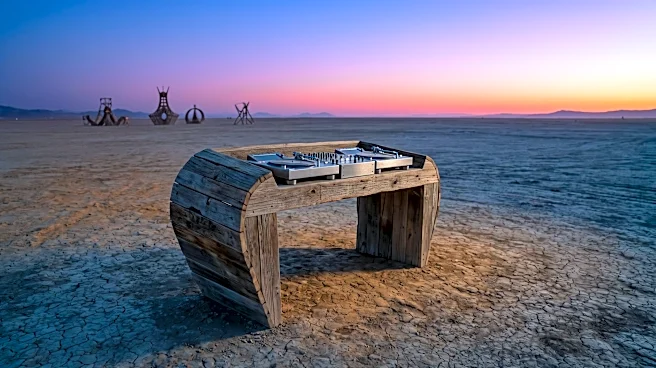
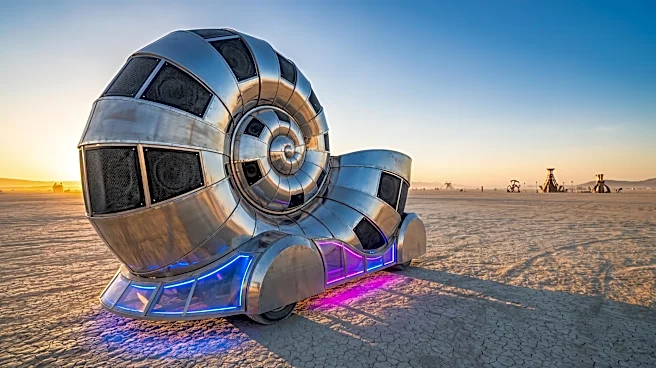
So, where does the music come from? It emanates from the citizens of Black Rock City themselves. The soundscape is dominated by two main sources: theme camps and mutant vehicles (or “art cars”). Theme camps are large-scale installations built by groups of attendees, many of which are essentially full-blown nightclubs with massive sound systems, lights, and DJ booths, running nearly 24/7. Then there are the art cars, which are roving sound systems built onto customized vehicles, resembling anything from a fire-breathing octopus to a colossal rubber duck. These mobile stages roam the open desert, creating impromptu dance parties wherever they stop. You might find yourself dancing to deep house from a car shaped like a dragon at sunrise or stumbling upon a live bluegrass band in a small, decorated tent. The variety is staggering and entirely user-generated.
The Joy of Serendipity
This lack of official programming forces a radical shift in behavior. Instead of following a schedule, you follow your ears. You get on a bike and ride toward a distant beat that sounds interesting. You follow a glowing, jellyfish-shaped art car and discover your new favorite DJ. The experience is defined by serendipity. This creates a much more personal and powerful connection to the music. You didn't discover an artist because an algorithm or a publicist told you to; you found them because you were present in a moment of pure, unplanned magic. It’s the difference between seeing a band you paid for and finding a hidden gem in a record store basement—the latter feels like it truly belongs to you. This participatory approach is central to the event's ethos; you are not a spectator but an explorer.
A Loosely Organized Chaos
While there's no official lineup, the community creates its own informal guides. For years, the most famous has been the “Rockstar Librarian,” a volunteer-compiled guide listing hundreds of DJ sets and parties happening at various theme camps. It’s a massive undertaking, but it remains a grassroots effort, not an official directive. However, the culture around this is sensitive. In recent years, as the event has grown and faced challenges with ticket sales, there has been a controversial push from organizers for sound camps to release lineups earlier, blurring the lines of decommodification and sparking debate about whether it pushes Burning Man closer to a traditional festival model. Despite these pressures, the core of the experience remains rooted in the idea that the best moments are the ones you don't see coming.