


The Anatomy of an It-Bag
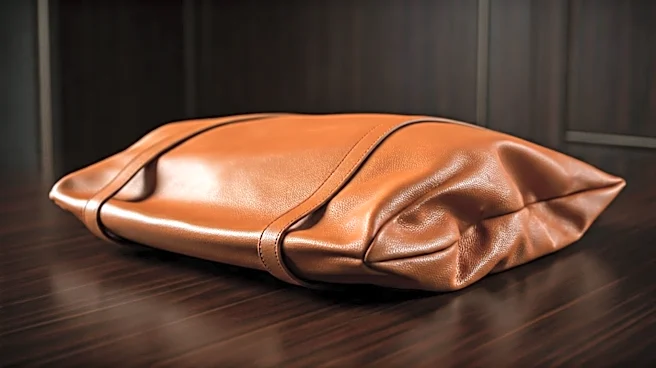
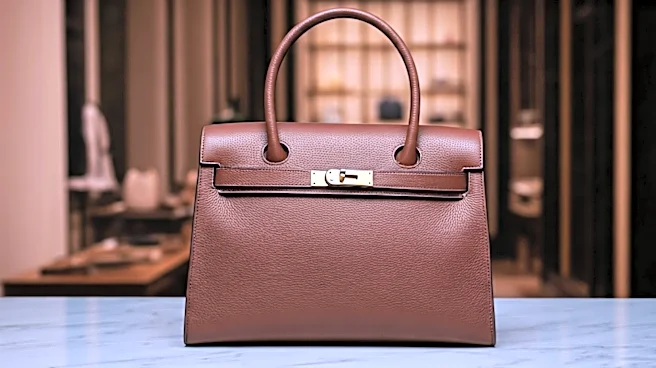
First, let's define the object of our affection. We’re not talking about the stiff, structured corporate totes of the 2010s, built like architectural marvels to sit upright on a boardroom table. The new icon is its relaxed, worldly cousin. Picture a bag
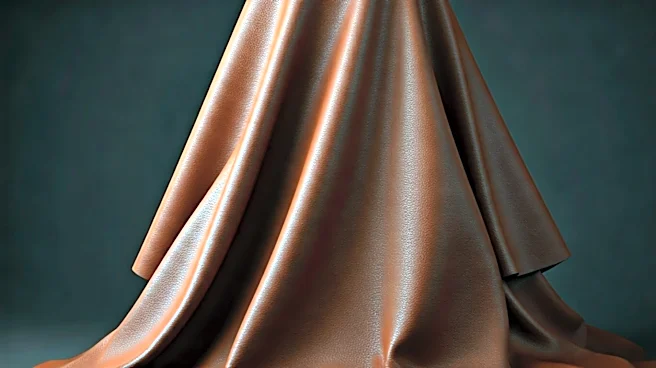
crafted from buttery-soft leather—nappa, calfskin, or suede—that puddles and folds when you set it down. It’s deliberately unstructured, often lacking internal compartments, logos, or flashy hardware. Its beauty lies in its simplicity and the sheer quality of its material. Brands like The Row, Bottega Veneta, and Jil Sander have become synonymous with this aesthetic, creating bags that whisper their value through texture and silhouette rather than shouting it with a monogram. The color palette is equally subdued: think shades of cream, camel, olive, chocolate brown, and black. It’s a bag designed to look like it was chosen for its feel and function, not for its brand recognition.
Beyond the Logo: The Rise of Quiet Luxury
For decades, the easiest way to signal status was with a logo. A prominent LV, a Gucci G, or a Chanel C was an immediate, globally understood telegraph of wealth and taste. But a palpable fatigue with this kind of overt branding has set in. The soft leather tote is the flag-bearer for the counter-movement: “quiet luxury” or “stealth wealth.” In this new paradigm, status is communicated through subtler cues that are only legible to a discerning few. It’s an “if you know, you know” (IYKYK) mentality. Owning a logo-free, astronomically expensive bag from a niche designer signals not just that you have money, but that you have a sophisticated understanding of craftsmanship and design that transcends mainstream trends. It suggests you’re part of an inner circle that doesn’t need the validation of a flashy monogram. The bag’s anonymity is precisely the point—it separates the truly fashion-literate from those who merely follow the hype.
The Utility Principle
Here’s where the “useful” part of the headline becomes critical. Many past It-Bags have been notoriously impractical—tiny purses that can barely hold a credit card or heavy, ornate bags that are a burden to carry. The soft tote rebels against this. Its generous, unstructured size means it’s genuinely functional. It can accommodate a laptop, a water bottle, a makeup bag, a paperback, and even a pair of flats. It’s the perfect carry-all for a woman who is actually going somewhere and doing something. This blend of supreme luxury and everyday practicality is what makes it so modern. It’s a status symbol that doesn’t demand to be babied; it integrates seamlessly into a busy, multi-faceted life. In a world where personal and professional lives are more blended than ever, a bag that can transition from a coffee meeting to a cross-country flight without sacrificing style or function is the ultimate power move.
Milan's 'Sprezzatura' Effect
While this trend is global, it finds its spiritual home in Milan. The city’s style is defined by *sprezzatura*—a uniquely Italian concept that means a kind of studied nonchalance or effortless elegance. It’s the art of looking impeccably put-together without ever appearing like you tried too hard. A perfectly tailored suit paired with slightly undone hair, or a priceless watch worn with a simple white t-shirt. The soft, slouchy tote is *sprezzatura* in bag form. Its relaxed shape inherently counters any sense of rigid formality. Tucking a supple leather tote under your arm suggests an ease and confidence that a stiff, formal handbag simply cannot. It says, “Yes, this is an expensive, beautifully made object, but I’m just casually carrying my life around in it.” It’s this performance of effortlessness that makes it the quintessential accessory for the Milanese tastemaker and a symbol of a more relaxed, self-assured approach to luxury.