


The Scarcity Principle: A Four-Year Dream
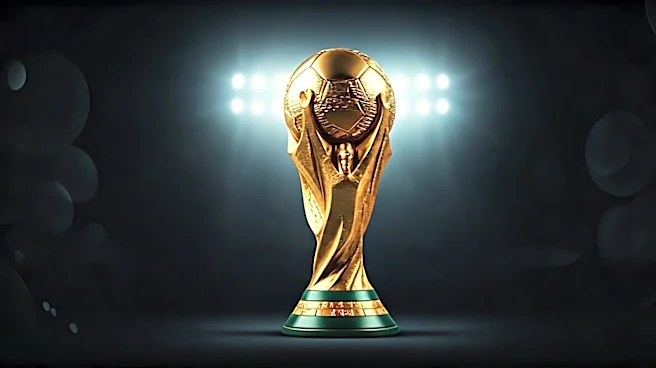
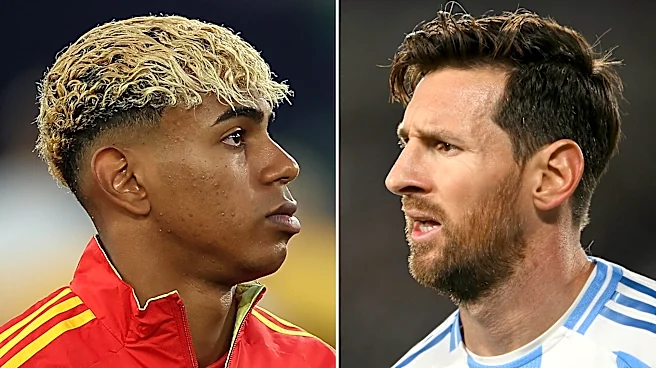
First, let's talk about scarcity. Unlike the annual rhythm of the Super Bowl or the NBA Finals, the men's FIFA World Cup happens only once every four years. For players, this is not a tournament with a 'next year' guarantee. A single injury, a dip in form, or a team’s failure to qualify can mean a player’s one shot at glory is gone forever. Lionel Messi, one of the greatest players of all time, had to wait until his fifth and final tournament at age 35 to finally lift the trophy. That agonizing, 16-year wait culminates in an explosion of relief and joy that a yearly championship simply cannot replicate. This scarcity amplifies every single moment. A group stage goal isn't just a point on the board; it's a step away from a four-year-long regret.
A penalty shootout isn't just a tiebreaker; it’s a high-stakes drama where entire careers and national legacies are decided in minutes. The rarity of the event transforms athletes into mortals striving for immortality, and that desperation is palpable.
More Than a Team, It’s a National Symbol
In club soccer, a player's allegiance is to a city or a brand. In the World Cup, it's to a flag. The players on the field become living avatars for their entire nation. When Argentina plays, it’s not just a team of 11 men; it’s a representation of 45 million people’s hopes, history, and identity. A victory isn't just a win for the team; it’s a moment of collective national triumph that can temporarily paper over political divisions, economic anxieties, and social strife. This is why a loss feels so personal to so many. When Brazil was humiliated 7-1 by Germany on home soil in 2014, the shock and grief were described as a national trauma, on par with historic tragedies. The team isn't just playing for a trophy; they are carrying the emotional weight of their homeland. That pressure, when released in victory, produces an unparalleled catharsis. When released in defeat, it results in profound, collective despair.
The Science of Shared Emotion
There's a sociological term for what happens in the stands and in public squares during the World Cup: 'collective effervescence.' Coined by sociologist Émile Durkheim, it describes the way individuals feel a sense of unity and energy when they come together in a group with a shared focus. When thousands of people sing the same anthem, gasp at the same near-miss, and erupt at the same goal, their individual emotions merge into something larger and more powerful. This shared experience creates a temporary dissolving of the self into the group, a feeling of transcendent connection. It’s the reason why watching a huge match alone at home feels completely different from being in a crowded bar. The physical act of cheering, chanting, and hugging strangers who share your passion sends a rush of adrenaline and endorphins through the body. It’s a primal, almost religious experience, and the celebration is the ultimate expression of that communal energy.
The Player's Personal Everest
Finally, zoom in from the crowd to the individual player. The tears you see aren't just about winning a soccer game. They are the culmination of a lifetime of sacrifice. They represent the missed family birthdays, the grueling dawn training sessions, the painful injuries, and the immense pressure from media, fans, and family. For many players, especially those from humble beginnings, reaching and succeeding at a World Cup is the absolute pinnacle of a life's work—a validation of every choice they've ever made. When Italy's Fabio Grosso scored the winning penalty in the 2006 World Cup final, his sprint across the field, screaming 'Non ci credo!' ('I don't believe it!'), was not just a celebration of a goal. It was the physical manifestation of a man realizing his wildest, most impossible dream in front of a billion people. That's not just happiness; it's a moment of pure, life-altering ecstasy.