




The Fantasy of the 'Get the Look' Moment
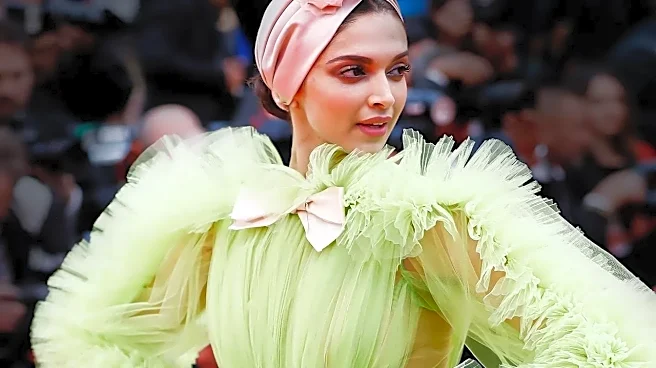
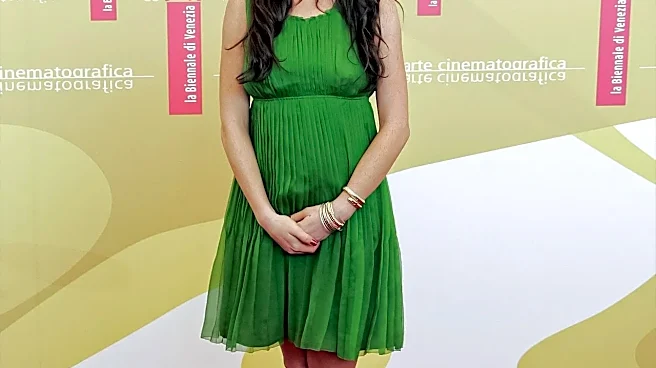
A red carpet look isn’t just a dress. It’s the culmination of weeks of planning, involving a celebrity, a stylist, a designer, and a glam squad of hair and makeup artists. These moments are meticulously crafted to tell a story, promote a film, and create
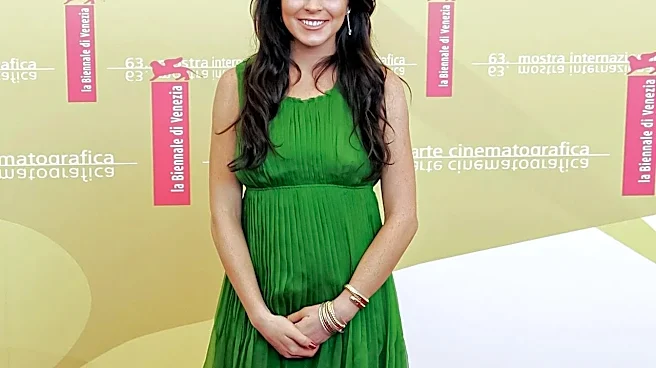
a specific image. The garments are often priceless couture samples, loaned for the evening and tailored to fit perfectly for just a few hours under the flash of cameras. When media outlets and fast-fashion brands inevitably offer a "get the look for less" option, they're selling a fantasy. That $70 polyester replica of a hand-beaded gown doesn't just miss the mark on quality; it completely misunderstands the original's purpose. It was never meant to be a product on a shelf. It was performance art, and the copy is just an echo.
When Inspiration Becomes Imitation
There’s nothing wrong with drawing inspiration from a celebrity. Seeing a silhouette you’ve never considered or a color combination that sparks joy is one of the great pleasures of fashion. The problem arises when this inspiration calcifies into a demand for exact imitation. The culture of instantly shoppable content has trained us to see an outfit not as a source of ideas, but as an item to be acquired. This short-circuits the development of personal style. Instead of asking, “How can I incorporate that feeling into my own wardrobe?” we ask, “Where is the link to buy it?” This mindset outsources our creativity and turns our closets into a revolving door of fleeting, disconnected trends rather than a collection of clothes that truly represent us.
The Unseen Environmental Price Tag
The relentless cycle of red-carpet-to-retail has a significant environmental cost. The demand for cheap, instantaneous copies of celebrity outfits fuels the fast-fashion industry, one of the world's largest polluters. This model is built on rapid production, synthetic materials derived from fossil fuels, and a throwaway mentality. Each time a look goes viral and is mass-produced, it contributes to a system that generates enormous textile waste and relies on questionable labor practices. Treating a film festival's worth of gowns as a weekly shopping list encourages a level of consumption that is simply unsustainable. A dress designed for a single night on the red carpet shouldn't inspire millions of dresses destined for a single wear before ending up in a landfill.
Reclaiming Fashion as Art
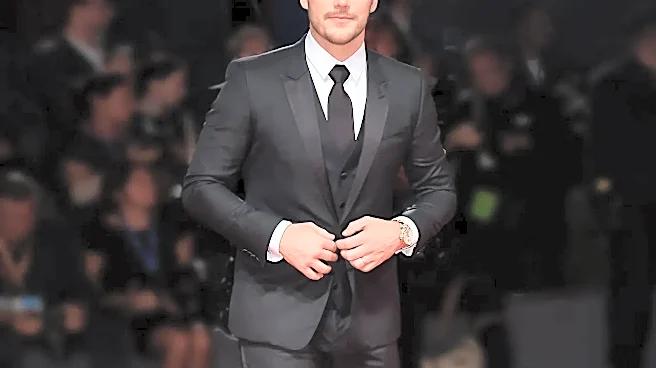
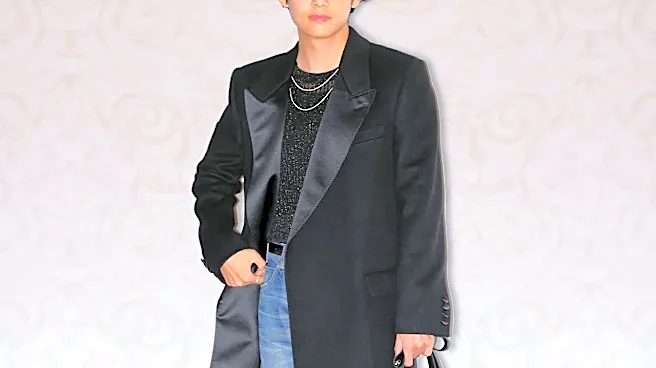
So what’s the alternative? It starts with a shift in perspective. Instead of viewing a red carpet as a digital mall, we can appreciate it as a mobile museum. These looks are collaborations, showcasing the highest levels of craft and creativity in fashion. We can celebrate the artistry without feeling the need to own a watered-down version of it. Challenge yourself to use TIFF's fashion moments as a starting point, not an endpoint. Love the dramatic shoulders on an actor's blazer? Look for a vintage jacket with a similar structure. Admire a particular color? Find ways to bring that hue into your life through accessories or beauty choices. Renting, thrifting, and supporting sustainable brands are other powerful ways to engage with trends more thoughtfully. Let’s use these celebrity moments to inspire our own unique style, not just to add another disposable item to our carts.